
Environmental Protection
Protecting shared resources and helping communities plan for a healthier, more resilient region.


Program Details
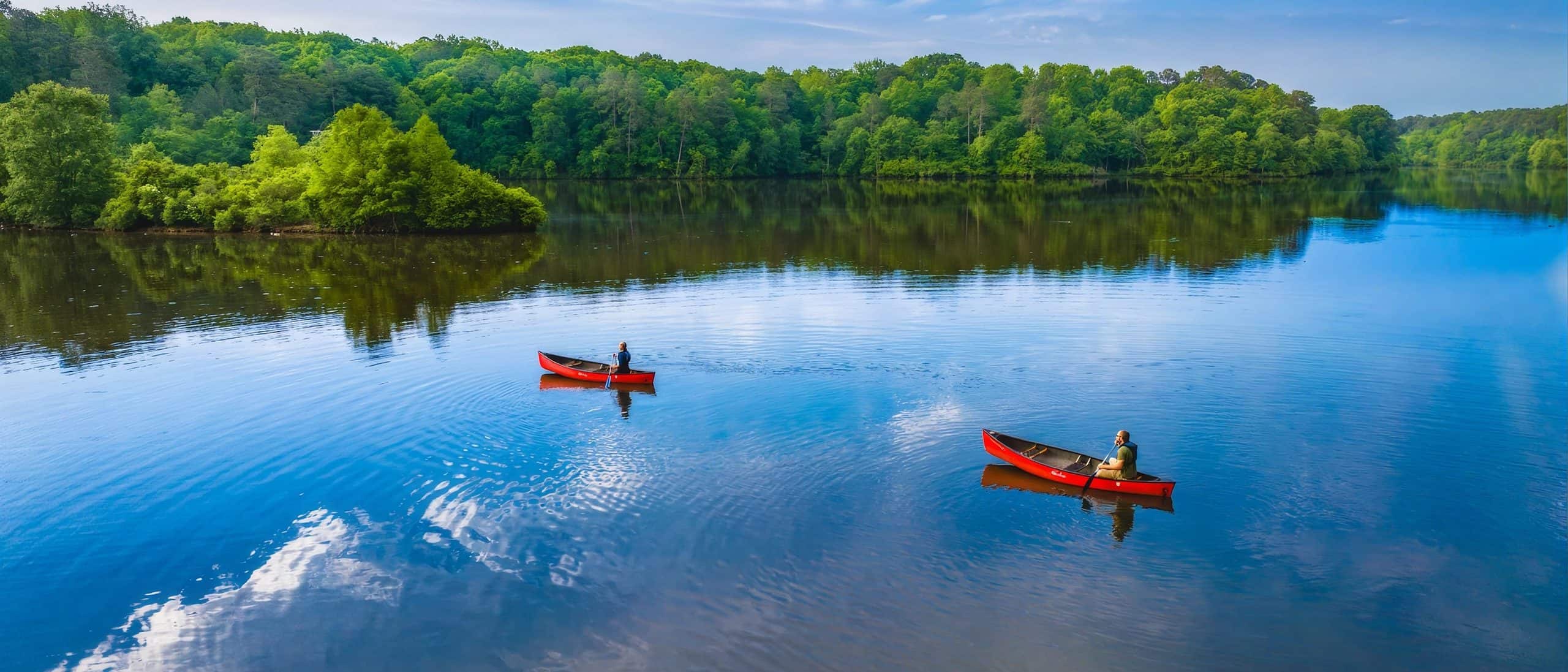
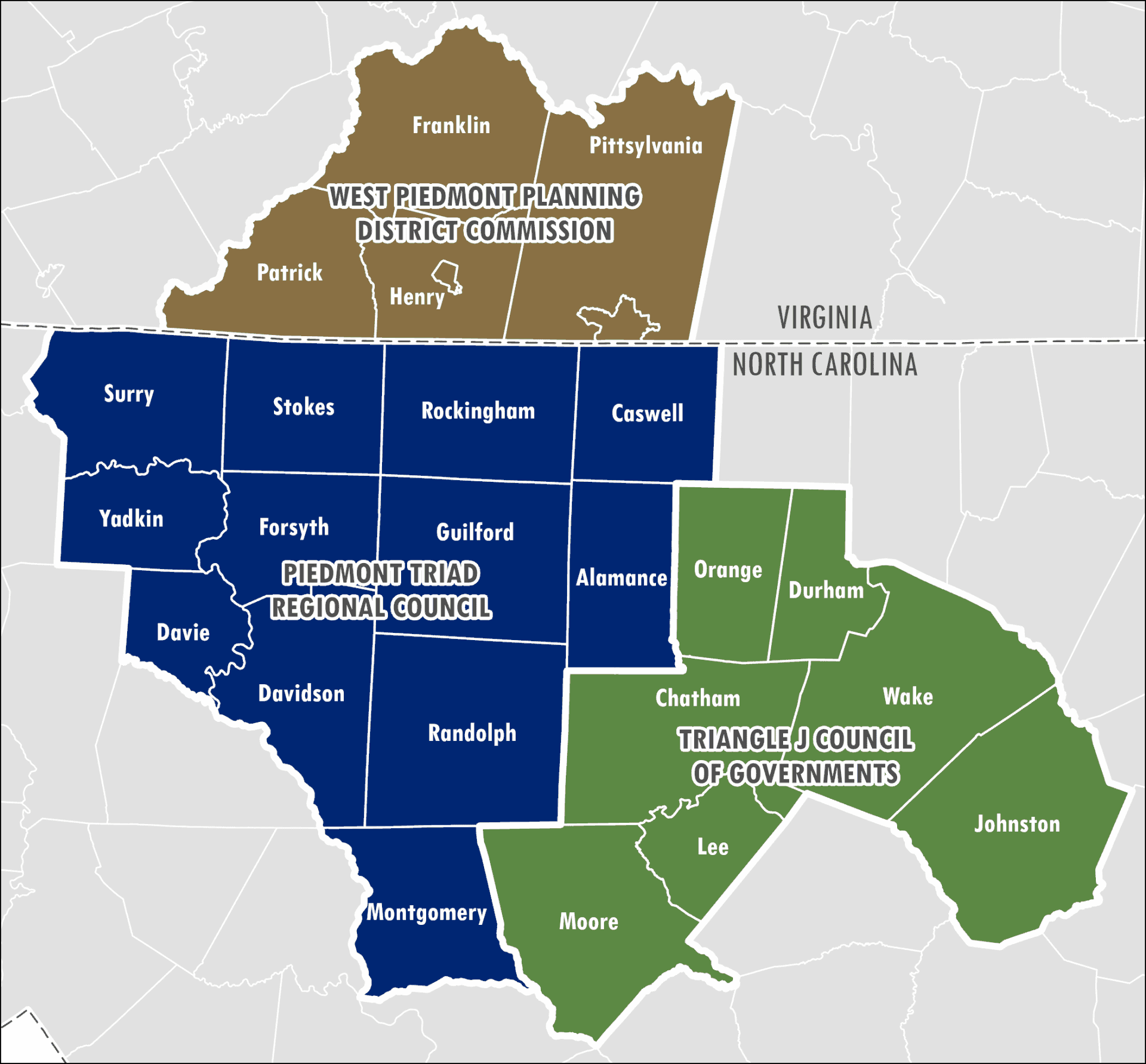
Water, watersheds, climate and other environmental systems do not stop at jurisdictional boundaries. Central Pines helps local governments work across those boundaries to protect shared resources, understand changing conditions and coordinate solutions that are difficult to tackle community by community.
Our role ranges from long-running water-quality partnerships and monitoring programs to stormwater education, climate and energy planning, environmental restoration and technical assistance. We bring local governments, utilities, state and federal agencies, research partners and community organizations together around practical regional needs.
That reflects CPRC’s broader environmental role: improving coordination around natural resources, administering shared programs and adding expertise and capacity for climate and resilience work.
Services At a Glance
Explore The Details
Program Services & Information
Program Services & Information
Protect Water & Watersheds
Coordinate across communities to protect water quality, understand shared supplies and keep pollution out of the region’s rivers, lakes and streams.
Water Quality & Watershed Protection
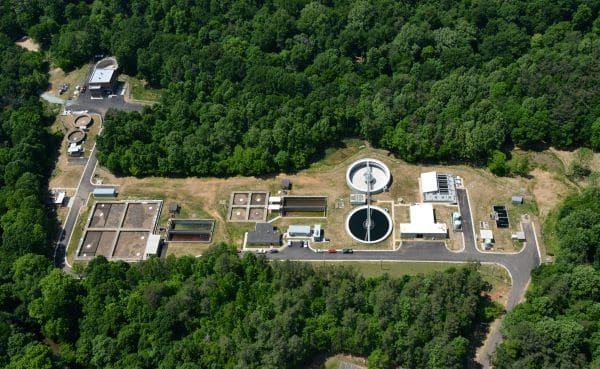
Central Pines has a long history of helping communities manage water resources across jurisdictional lines. We convene local governments, utilities, environmental organizations and other partners around shared watersheds, helping connect water-quality goals with planning, conservation, funding and implementation.
That work includes watershed-protection initiatives, Upper Cape Fear River Basin coordination, water-quality planning grants and regional partnerships designed to protect drinking-water sources as the region grows. Learn more about these programs below.
Upper Middle Creek Watershed Action Plan
Upper Middle Creek Watershed Action Plan
Central Pines worked with Wake County and the towns of Apex, Holly Springs, Fuquay-Varina and Cary to develop a watershed action plan for Upper Middle Creek. The plan identifies water-quality challenges, sources of stormwater pollution and priority actions that local partners can use to protect streams and respond to continued growth.
Raleigh Watershed Protection
Raleigh Watershed Protection
Central Pines helps administer Raleigh’s Watershed Protection Program with local and regional partners, supporting land preservation and restoration projects that protect drinking-water sources.
Upper Cape Fear River Basin Association
Upper Cape Fear River Basin Association
Central Pines and Piedmont Triad Regional Council jointly manage this regional partnership of local governments and industries working on water-quality monitoring, water-resource planning and improved water management across the Upper Cape Fear River Basin.
Regional Water Supply & Monitoring
Good regional decisions depend on understanding what is happening in the water itself. Central Pines supports partnerships that combine long-term monitoring, shared data and coordination among communities that depend on the same rivers and reservoirs.
One of the region’s longest-running examples is the Triangle Area Water Supply Monitoring Program, which has collected water-quality information throughout the Upper Cape Fear River Basin since 1988 in partnership with local governments, utilities and the U.S. Geological Survey.
From 2022–2027, Phase IX expanded monitoring to include PFAS while continuing broader monitoring of rivers and reservoirs. Looking ahead, planning for Phase X is exploring additional emerging concerns, including microplastics.
Stormwater Education & Management
Stormwater pollution often begins with everyday activities on streets, yards, parking lots and other developed areas. Central Pines helps communities address that challenge together rather than recreating outreach and education jurisdiction by jurisdiction.
Since 2002, Central Pines has administered the Clean Water Education Partnership, a cooperative program that helps participating local governments protect waterways through public education and outreach. The program combines community-based education with regional media campaigns in English and Spanish.
Plan for Climate & Environmental Change
Help communities understand changing conditions, reduce environmental impacts and invest in solutions that strengthen long-term resilience.
Climate & Energy Planning
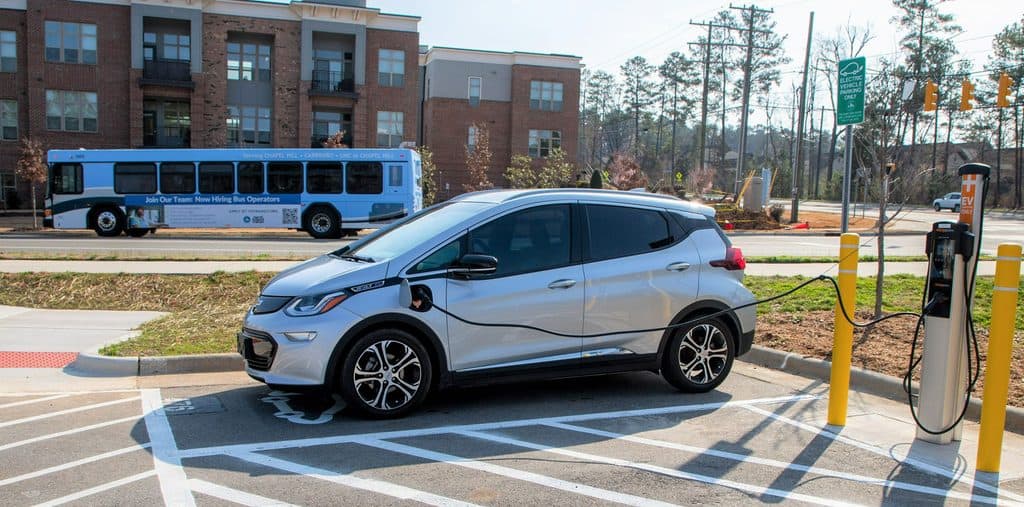
Central Pines helps local governments turn climate and energy goals into coordinated plans and projects. That work can include greenhouse-gas inventories, climate-action planning, vulnerability assessments, clean-energy initiatives and regional implementation strategies.
Current and recent work includes the Climate Pollution Reduction Grant, community solar and electrification initiatives, and regional coordination intended to help communities pursue climate goals more efficiently together.
Current Climate & Energy Initiatives
Current Climate & Energy Initiatives
Climate Pollution Reduction Grant
Central Pines is leading a regional planning process through the U.S. Environmental Protection Agency’s Climate Pollution Reduction Grant program. The work brings communities together to identify strategies for reducing greenhouse-gas emissions and climate pollution across the Raleigh-Cary and Durham-Chapel Hill metropolitan areas.
Electrify the Triangle helps residents navigate home energy improvements by connecting them with participating contractors, available incentives and guidance for making homes more efficient, comfortable and affordable.
Triangle Sustainability Partnership
Local governments work together through the Triangle Sustainability Partnership on regional clean-energy campaigns and shared initiatives. Its Solarize the Triangle campaigns used group purchasing and coordinated outreach to expand access to residential solar.
Environmental Resilience & Restoration
Environmental resilience means understanding where communities and natural systems are vulnerable, then planning investments that reduce risk and strengthen their ability to adapt.
Central Pines supports regional and local resilience planning, conservation and restoration initiatives that connect environmental conditions with community priorities. Current work includes a Nature Conservancy Resilience and Restoration Project, while earlier regional efforts assessed shared vulnerabilities to extreme weather, heat, drought and changing demands on natural resources.
Central Pines supported the process through forecasting, modeling, performance analysis, project coordination and regional facilitation.
Build Local Environmental Capacity
Add the expertise, coordination and funding support communities need to turn environmental priorities into practical projects.
Environmental Technical Assistance & Funding
Not every community has dedicated staff for water resources, climate planning or environmental project development. Central Pines can provide additional technical capacity while helping local governments connect their needs with regional partners, funding programs and regulatory requirements.
Support can include project development, planning and facilitation, environmental data and research, grant coordination, water-quality planning and assistance connecting communities with state, federal and nonprofit partners.
How We Help
Plan & Prioritize
Define environmental needs, assess options and connect local goals with regional plans and data.
Find Resources
Identify relevant grants, technical programs and partner expertise that can help move a project forward.
Coordinate & Implement
Bring agencies, communities and technical partners together around complex projects that cross organizational or geographic boundaries.
Frequently Asked Questions
What kinds of environmental projects can Central Pines help with?
What kinds of environmental projects can Central Pines help with?
Central Pines supports local governments with water-quality and watershed planning, regional water monitoring, stormwater education, climate and energy planning, resilience initiatives and environmental project development. We can also help identify regional partners, technical expertise and potential funding resources.
Does Central Pines provide water-quality data?
Does Central Pines provide water-quality data?
Central Pines coordinates and supports regional water-monitoring partnerships, including the Triangle Area Water Supply Monitoring Program. These partnerships help local governments and utilities track conditions in shared rivers and reservoirs and make more informed water-resource decisions.
What is the Clean Water Education Partnership?
What is the Clean Water Education Partnership?
The Clean Water Education Partnership is a regional collaboration administered by Central Pines that helps local governments educate residents about stormwater pollution and everyday actions that protect waterways. The program combines local outreach with shared regional media and educational resources.
Can Central Pines help with climate or energy planning?
Can Central Pines help with climate or energy planning?
Yes. Central Pines works with communities on regional climate planning, greenhouse-gas reduction strategies, clean-energy initiatives, resilience planning and related project development.
Can Central Pines help us find funding for an environmental project?
Can Central Pines help us find funding for an environmental project?
Yes. Depending on the project, staff can help identify environmental funding opportunities, connect communities with technical partners and coordinate with Central Pines’ broader Grant Assistance Program.
Does Central Pines work directly with residents?
Does Central Pines work directly with residents?
Most Environmental Protection work is organized through local governments and regional partnerships, but some programs include public education, community engagement or resident-facing resources. Clean Water Education Partnership outreach and household clean-energy initiatives are examples.
Resources & Guides
Explore long-range plans, policy guidance, technical reports and other resources developed by Central Pines and regional transportation partners.
-
Planning Together for a Secure Regional Water Supply
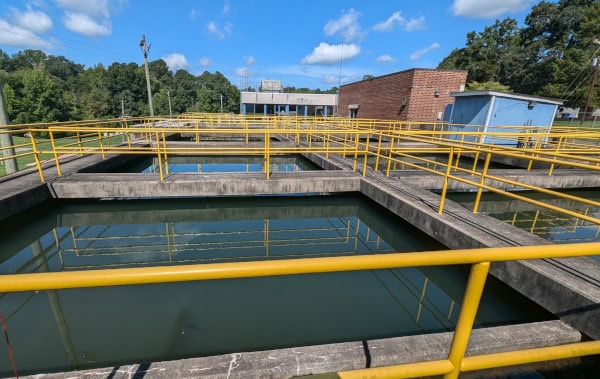
The Triangle Water Supply Partnership brings local governments and water systems together to plan for reliable, sustainable water supplies across a fast-growing region.
-
Understanding Environmental Justice in the Triangle
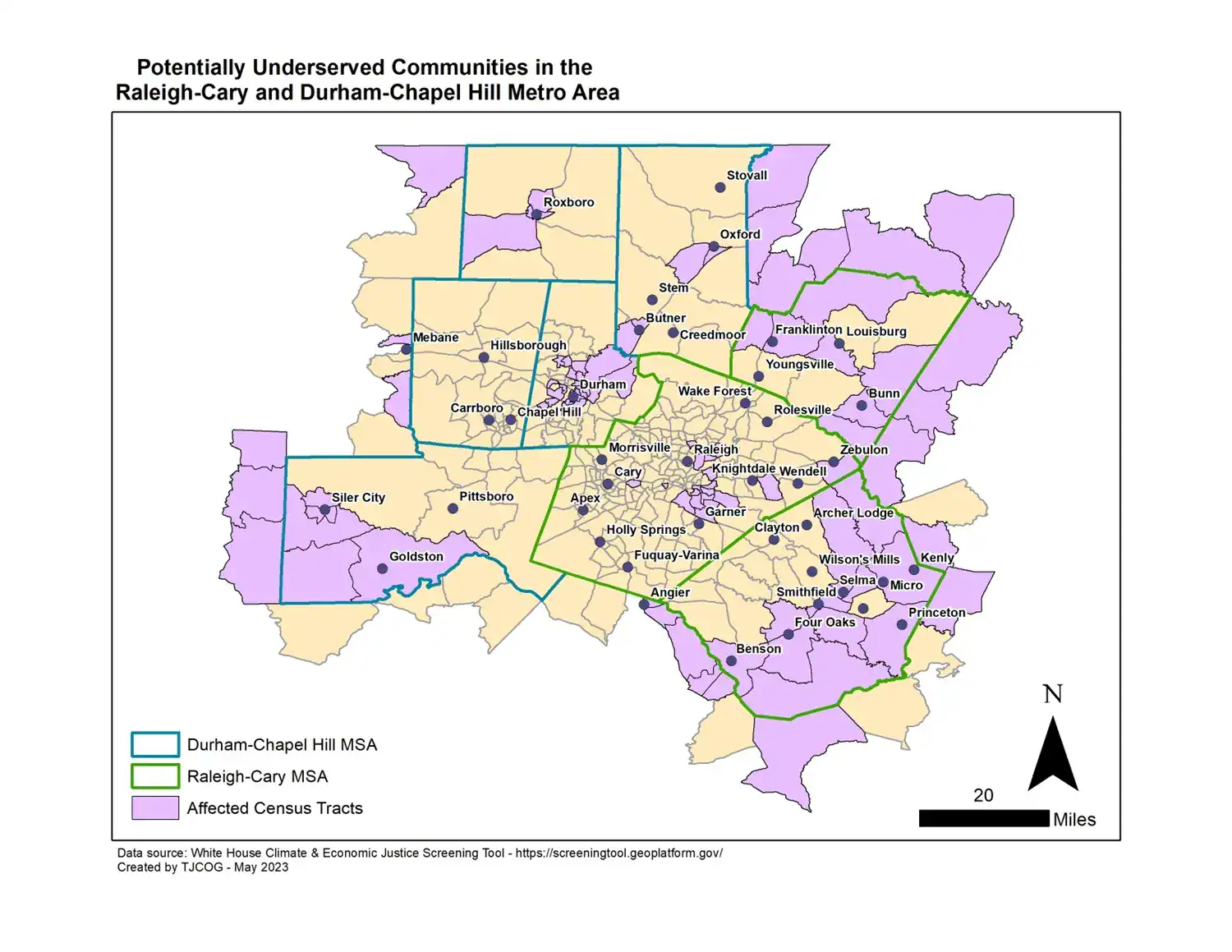
Explore regional research that helps local governments understand where environmental burdens and community vulnerability overlap across the Central Pines region.
-
Building a Regional Climate Action Plan
Central Pines is coordinating an eight-county climate-planning effort to identify practical strategies for reducing greenhouse-gas emissions and supporting long-term regional action.
-
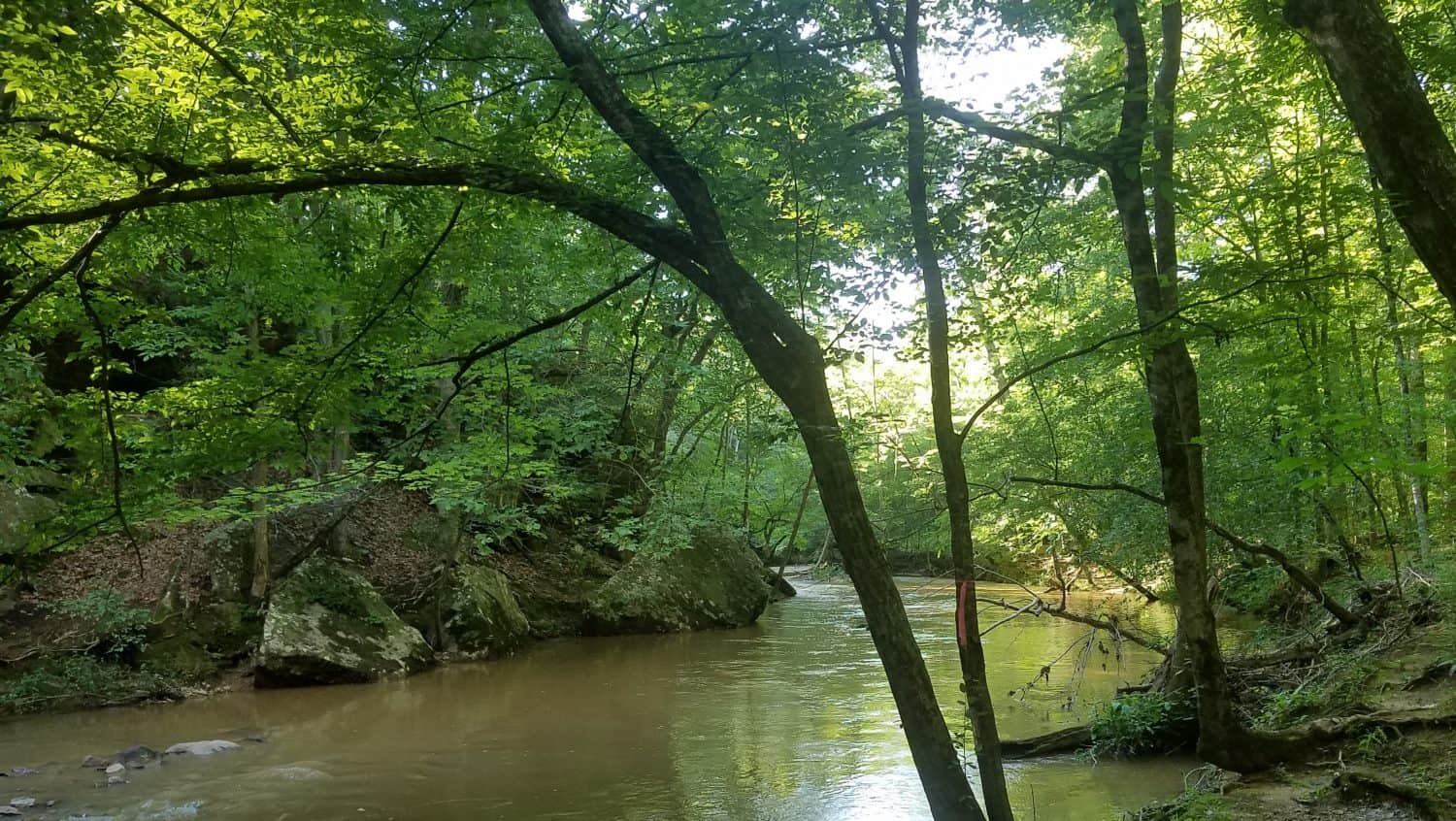
Protecting Waterways Through Shared Stormwater Education
The Clean Water Education Partnership helps local governments protect waterways through shared stormwater education, outreach and public-awareness campaigns.
-
Monitoring the Triangle’s Water Supply
A long-running regional partnership helps communities track water quality, understand emerging contaminants and protect drinking-water sources across the Upper Cape Fear River Basin.
-
Financing Brownfield Cleanup Across the Piedmont Triangle
Explore loans and subgrants that can help eligible communities, organizations and businesses overcome the cost of cleaning up brownfield properties.
-
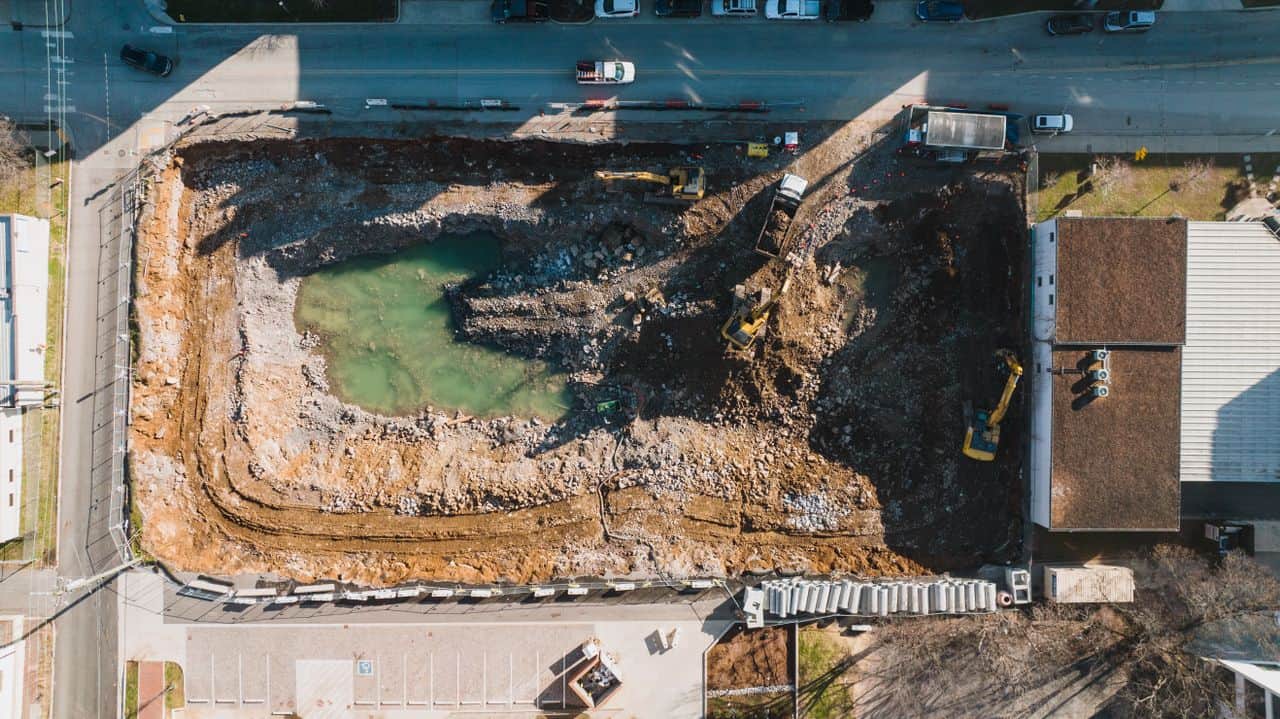
Turning Brownfield Sites Into Community Opportunities
Learn how Central Pines helps communities identify, assess and plan for brownfield properties so underused sites can move toward cleanup, reinvestment and productive reuse.
-
Report Highlights from NC State’s Institute for Emerging Issues Water Infrastructure
NC State’s water infrastructure report outlines challenges facing Central Pines communities, from aging systems to emerging contaminants. The recommendations highlight regional planning, sustainable funding and collaboration to protect reliable water resources.
-
What is CPRG and what does it mean for the Central Pines Region?
There has been quite a bit of interest lately in the Climate Pollution Reduction Grant (CPRG), informally known as CPRG. We wanted to answer a few of your burning questions and highlight work that is completed, underway, or upcoming. What exactly is CPRG? Who is funding it and how is…
-
U.S Treasury Has Released Final Rules on Direct Pay for Clean Energy Projects
The U.S. Department of the Treasury and the Internal Revenue Service (IRS) released final rules on elective pay (otherwise known as “direct pay”).
-
Connect with Local Waterways at Regional Creek Week
Regional Creek Week: March 16-23, 2024 The Clean Water Education Partnership (CWEP) is excited to announce the fourth annual CWEP Regional Creek Week, a week celebrating the streams and rivers that sustain and connect us. Clean water is key to the health of our communities and ecosystems. During the CWEP…
-
CPRC to Hold Community Climate Conversations
Central Pines Regional Council (CPRC) invites the public to attend Community Climate Conversations, to be held in four locations throughout the region. CPRC was awarded a Climate Pollution Reduction Grant from the U.S. Environmental Protection Agency to develop a Climate Action Plan for the region. The plan will be developed…
Connect With Our Environmental Protection Team
Have a question about water resources, stormwater, climate planning, environmental resilience or another environmental project? Connect with the staff closest to the work.
-

Abby Manning
Planner II
-
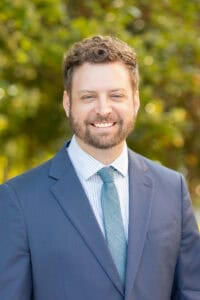
Christopher Lawson
Program Manager
-

Grace Lower
Water Resources Intern
-

Hannah Schuette
Management Analyst
-

Karyl Fuller
Program Manager
-
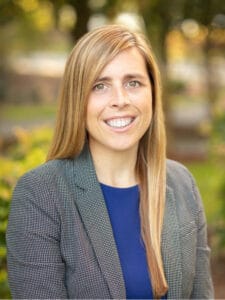
Lindsay Whitson
Community & Economic Development Director
-

Marcy Waters
Planner II – Resilience Planner
-

Shuchi Gupta
Principal Planner
-

Sterling McDonald
Environmental Planner
Related Services & Programs
-
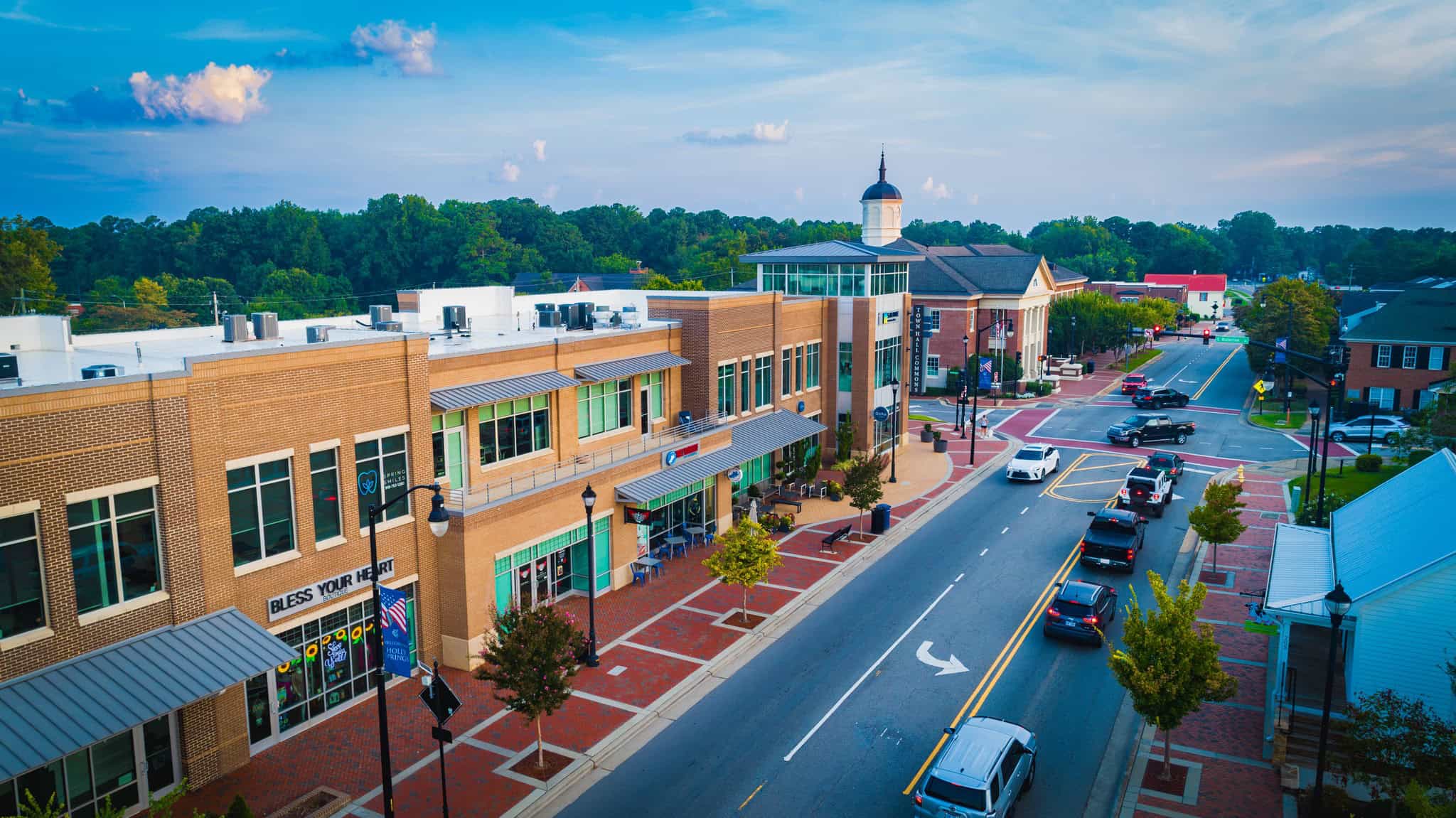
Community Development
Help communities strengthen local economies, reinvest in places and expand opportunity through regional economic development, brownfields, trade, digital access and project support.
-
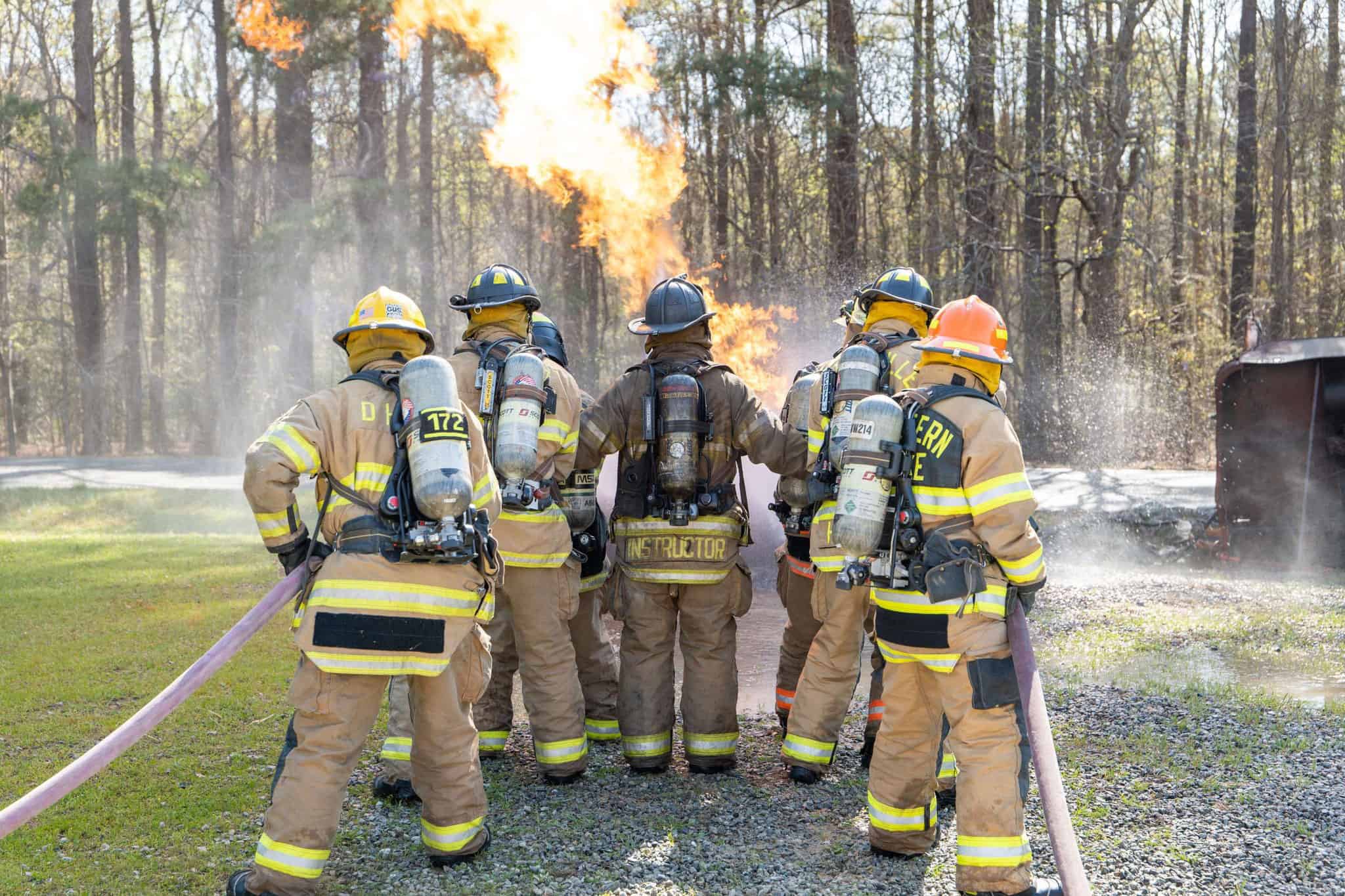
Emergency Management & Resilience
Planning, coordination and technical assistance that help local governments prepare for emergencies, reduce risk, strengthen resilience and recover from disasters.