
Aging Well
Find practical help for family caregiving, including respite, education, support groups, dementia care, resources for grandfamilies and working caregivers, and local specialists who can help you navigate what comes next.

Program Details
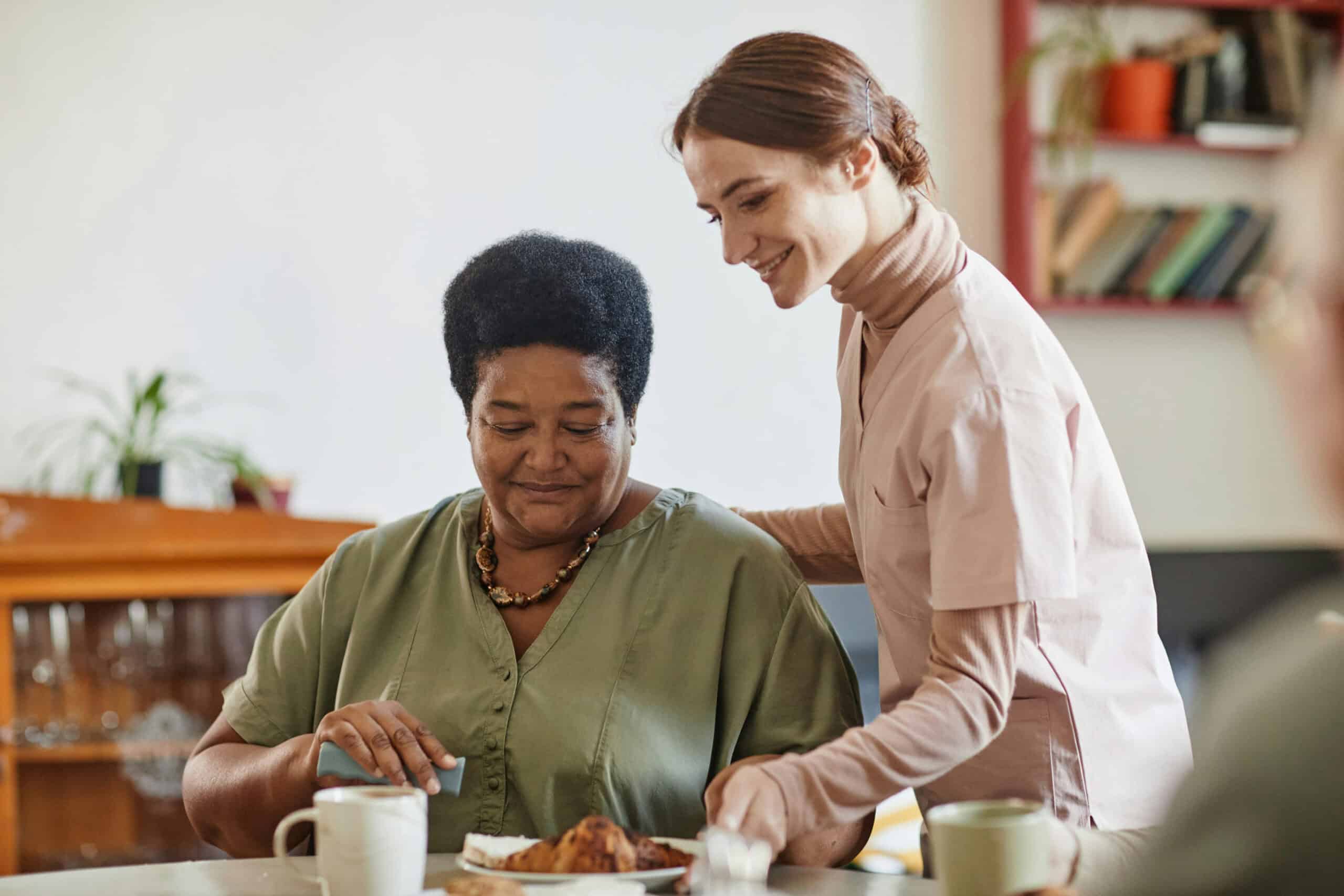
Aging well means having the support and opportunities to stay healthy, independent, connected and involved in the things that matter to you.
Central Pines Area Agency on Aging works with local partners to connect older adults with practical services and opportunities throughout the region. That might mean finding a ride, sharing a meal, joining a wellness class, volunteering your time, returning to work or finding new ways to connect with your community.
Many aging programs are designed for adults age 60 and older, although eligibility varies by service. Financial assistance may also be available for some programs. If you are not sure where to begin, explore the options below or contact our Area Agency on Aging team for help finding the right next step.
Services at a Glance
Explore The Details
Program Services & Information
Program Services & Information
Getting Around & Daily Support
Everyday needs can become harder when transportation, mobility or access to healthy meals changes. Local programs can help you stay active, independent and connected to your community.
Transportation and Mobility Assistance
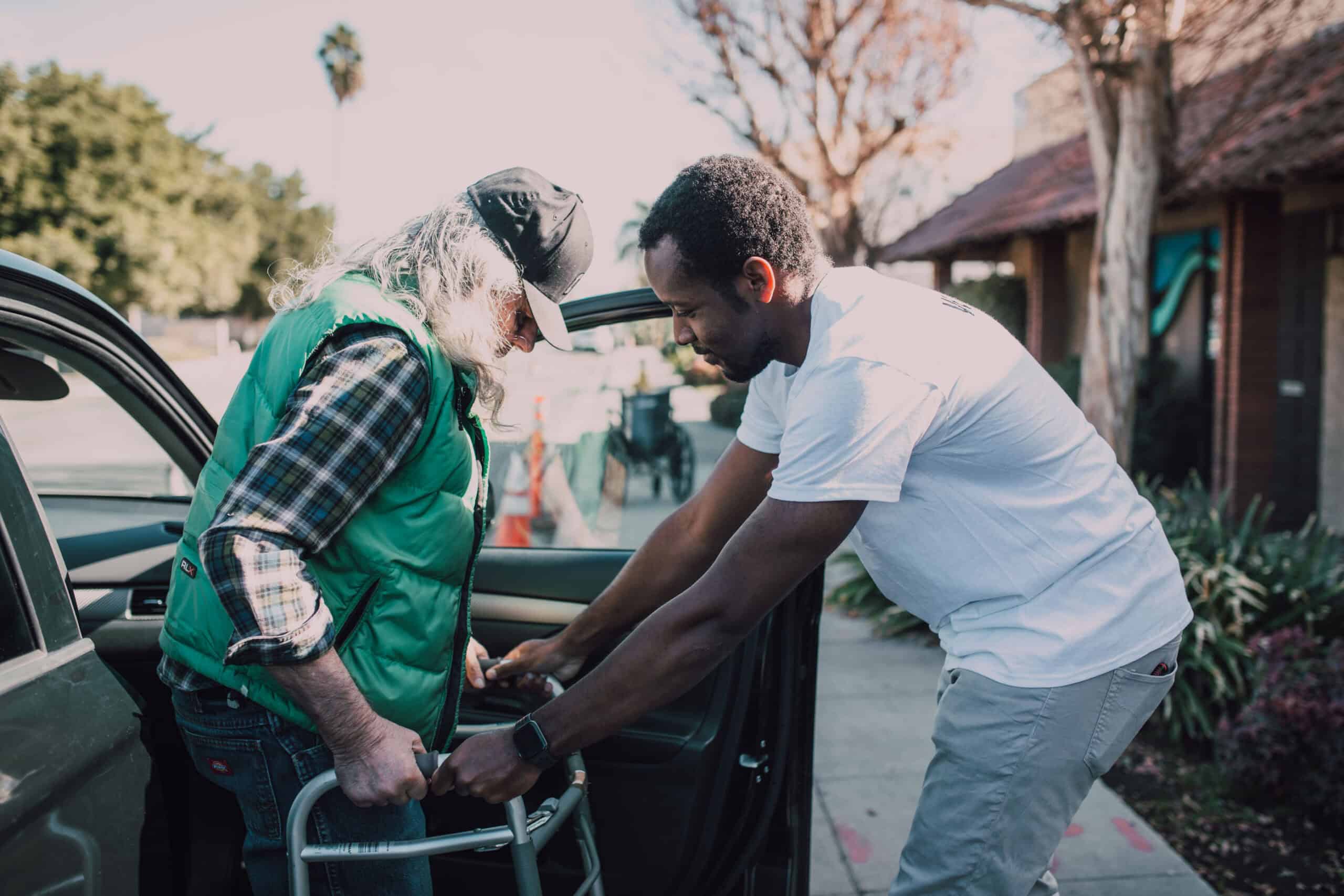
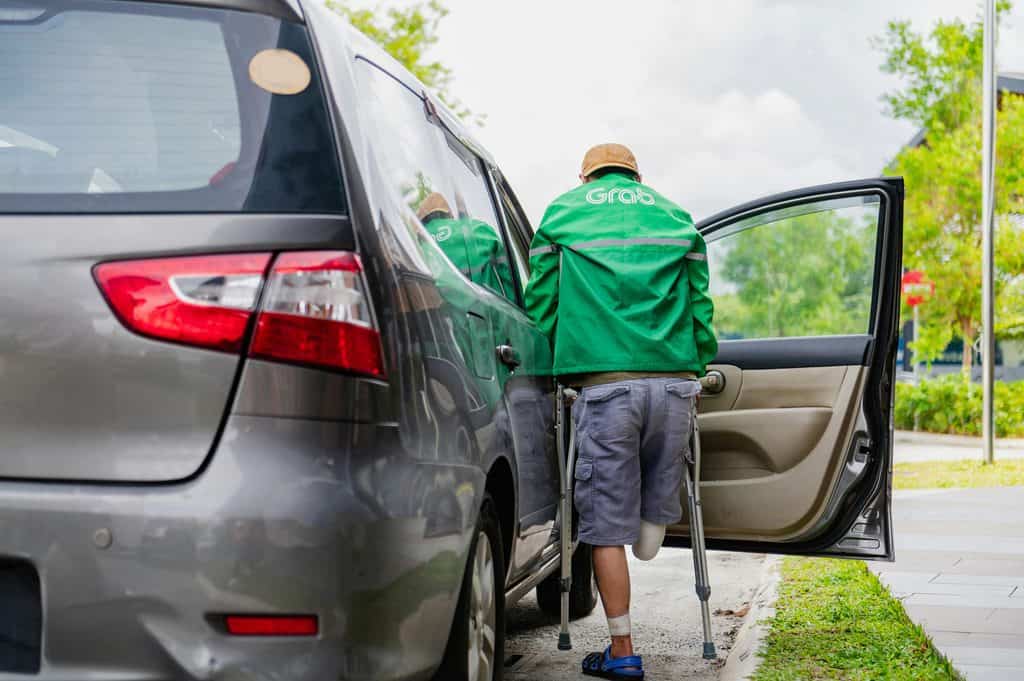
If driving is no longer an option, public and community transportation services can help you get where you need to go. Options vary by community and may include fixed-route buses, specialized transportation, rideshare or volunteer programs.
Some riders may qualify for paratransit, a scheduled transportation service for people who cannot use regular fixed-route transit because of a disability or mobility limitation. Paratransit generally requires an application in advance, and many services provide curb-to-curb rather than door-through-door assistance.
Transportation Resources
Transportation Resources
- GoTriangle Transit — Regional bus and transportation information.
- GoTriangle ACCESS — Paratransit information and eligibility.
- NC 211 Transportation Resources — Search for additional transportation programs and providers.
- Medicaid Transportation — Medicaid recipients may be eligible for transportation to medical appointments through their county Department of Social Services.
- Local Senior Centers and Departments on Aging — Ask about volunteer transportation and other options available locally.
Mobility Assistance Training
A recent illness, disability or change in physical ability can make public transportation feel unfamiliar or difficult to navigate. Mobility assistance training, sometimes called travel training, helps people learn how to plan and complete trips safely and confidently.
Training may be available through local transit providers. The Alliance of Disability Advocates also provides travel training for people who need additional help learning to use public transportation.
Mobility Training Resources
Mobility Training Resources
- Alliance of Disability Advocates Travel Training — Individualized help learning how to use public transportation.
- Local Transit Providers — Ask whether travel or mobility training is available in your community.
Dining & Nutrition Programs
Community dining programs offer more than a meal. They provide nutritious food in a social setting where older adults can meet others, participate in activities and stay connected. Meals are planned to meet important nutrition needs for older adults, and some locations may also provide transportation. Local availability and eligibility vary.
More Nutrition Resources
More Nutrition Resources
- NC DHHS Congregate and Home-Delivered Meals — Learn about statewide nutrition programs for older adults.
- Local Aging Service Partners — Find organizations offering dining, nutrition and related services in your community.
Connection & Purpose
Staying engaged can be just as important as staying physically healthy. Senior centers, volunteering and employment offer opportunities to build relationships, share experience and remain involved in community life.
Senior Centers & Community Connections
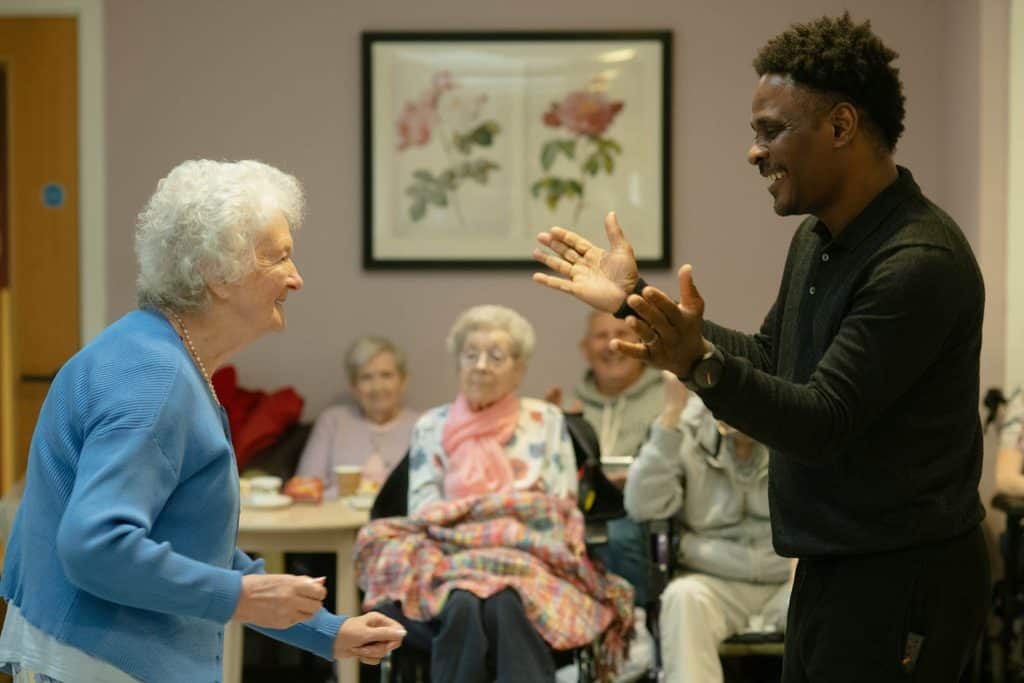
Senior centers bring older adults together for activities and services that reflect a wide range of interests and abilities. Programs may include fitness, education, arts and cultural activities, social events, information and assistance, meals and other community services.
Many North Carolina senior centers also participate in the state’s voluntary certification program. Centers receiving the highest certification are recognized as NC Senior Centers of Excellence.
Additional Resources
Additional Resources
- NC Senior Center Directory — Find senior centers and certified Centers of Excellence across North Carolina.
- Area Agency on Aging Service Partner Directory — Find local aging-service organizations and available programs.
Volunteer Opportunities
Your skills and experience can make a difference. Senior centers, home-delivered meal programs and other community organizations rely on volunteers to help older adults stay connected and supported.
Volunteers also play an important role in Central Pines’ Long-Term Care Ombudsman Program. Community Advisory Committee volunteers visit nursing homes and adult care homes, help residents understand their rights and provide a trusted connection to the community.
Ways to Volunteer
Ways to Volunteer
- Long-Term Care Ombudsman Program — Learn about Community Advisory Committee volunteer opportunities.
- Local Senior Centers — Contact a center near you about current volunteer needs.
- Home-Delivered Meal Programs — Ask local service partners about meal-delivery opportunities.
Employment Resources
Continuing to work can provide income, purpose and connection. Employment and training programs are available for older adults who want to remain in the workforce, change careers or return to work.
NCWorks provides job-search and employment services for workers of all ages. Adults age 55 and older who meet program requirements may also qualify for the Senior Community Service Employment Program, which combines paid community-service assignments with training designed to help participants move into regular employment.
Additional Employment Resources
Additional Employment Resources
- NCWorks Online — Search jobs and access employment resources.
- Senior Community Service Employment Program — Learn about training and employment opportunities for eligible adults age 55 and older.
Health & Independence
Healthy aging is not one-size-fits-all. Programs grounded in research can help people prevent health problems, manage existing conditions and remain active and independent.
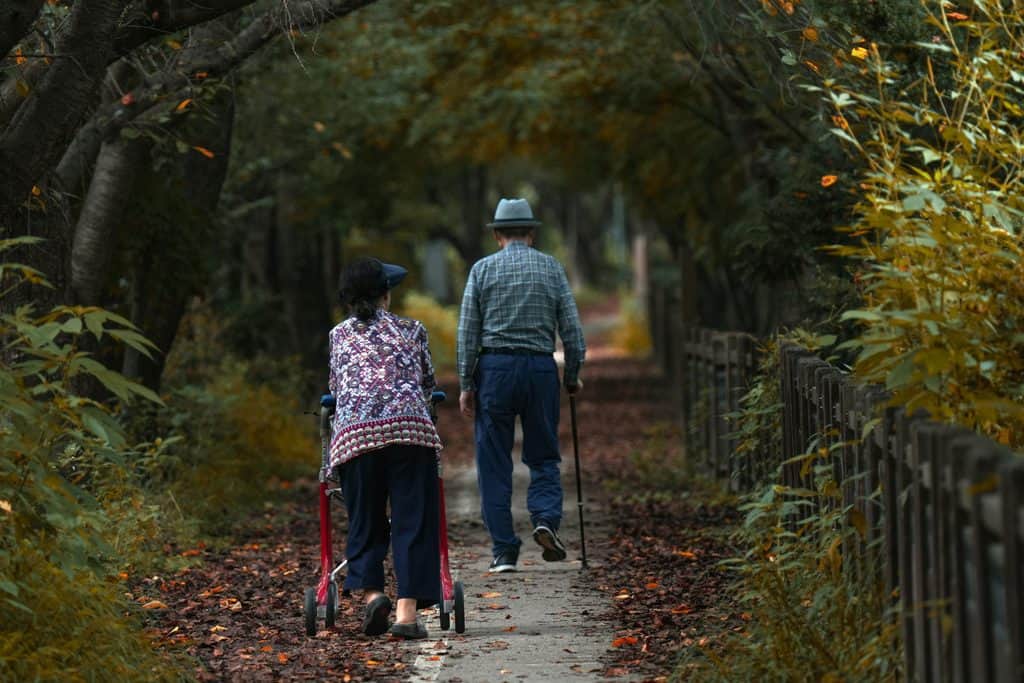
Health Promotion & Disease Prevention
Evidence-based health promotion programs use approaches that research has shown to be effective. Depending on the program, classes can help reduce the risk of falls or chronic disease, improve management of conditions such as arthritis or diabetes, and build skills for healthier living.
Service partners throughout the region offer health-promotion programs and can help you identify classes that match your needs.
Health Promotion Resources
Health Promotion Resources
- Healthy Aging NC — Find evidence-based workshops and programs offered across North Carolina.
- Local Aging Service Partners — Ask about classes currently available in your community.
Supportive Communities
The places where we live shape how well we age. Transportation, public spaces, communication, businesses and community services all influence whether people can remain connected and independent.
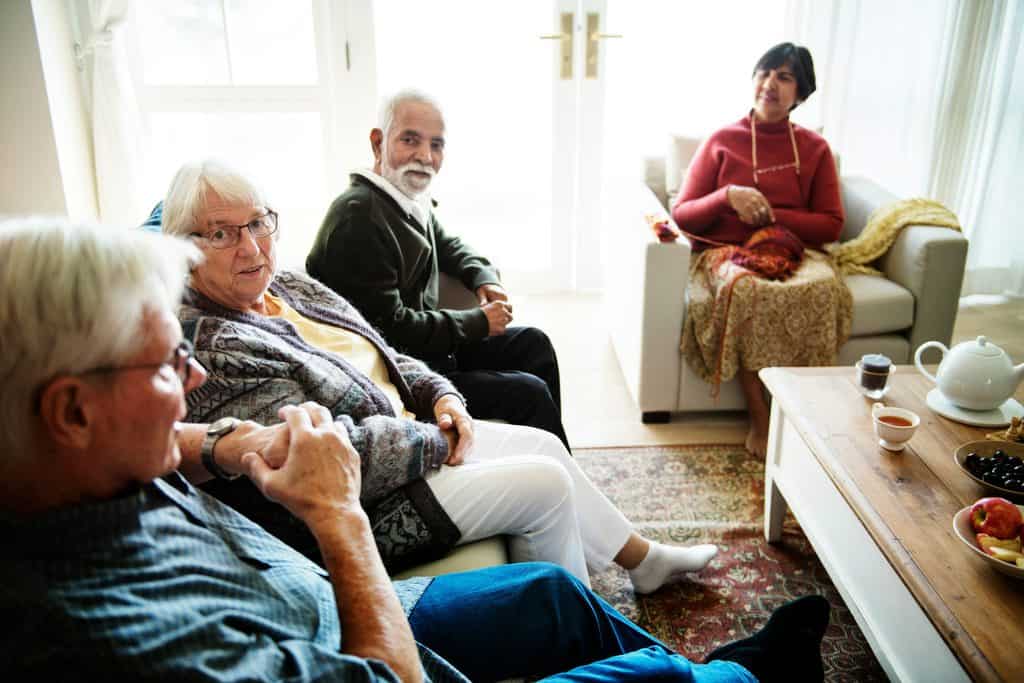
Age-Friendly Communities
Age-friendly communities plan intentionally for people at every stage of life. Through AARP’s Network of Age-Friendly States and Communities, participating communities work with residents to improve areas such as transportation, housing, public spaces, communication, civic participation and access to services.
Central Pines works with communities in the region as they plan and implement approaches that make it easier for older adults to remain active and engaged where they live.
Age-Friendly Resources
Age-Friendly Resources
- AARP Network of Age-Friendly States and Communities — Learn about the program and participating communities.
- AARP Livable Communities Map — Explore age-friendly activity across the country.
- AARP Livability Index — See how communities compare across factors that affect quality of life.
Dementia-Inclusive Communities
A diagnosis of dementia or another cognitive condition should not mean losing connection with community life. Dementia-inclusive efforts help residents, businesses and organizations better understand cognitive changes and create more welcoming experiences for people living with dementia and their caregivers.
Several communities in the Central Pines region have developed local initiatives, while statewide and national resources can help families find dementia-friendly businesses, activities and social opportunities.
Dementia-Inclusive Resources
Dementia-Inclusive Resources
Self-Directed & Community-Based Care
Some programs give people more control over how support is provided at home. Consumer-directed services may allow the person receiving care, or a designated representative, to select and manage caregivers with professional and financial-management assistance.
CAP/DA provides Medicaid-funded home and community-based services for eligible adults with disabilities who would otherwise require institutional care.
Central Pines also administers Veteran Directed Care, which allows eligible veterans at risk of nursing-home placement to manage a service budget and choose supports that help them remain at home.
Community-Based Care Options
Community-Based Care Options
Planning Ahead
Planning before a need becomes urgent can make decisions easier for you and the people who support you. Help is available for comparing care options, understanding benefits, organizing finances, preparing legal documents and making plans for emergencies or future health needs.
Information, Options & Benefits
Not sure which service fits your situation? Information and Options Counseling helps older adults identify available services, compare choices and create a plan based on their needs, preferences and resources. Local senior centers and aging-service providers may have trained Options Counselors available. CPRC’s legacy page specifically directs residents to this service.
Benefits counseling can also help with questions about Medicare, Medicaid, prescription coverage and other assistance programs.
Benefits & Options Resources
Benefits & Options Resources
- NC Options Counseling
- NC Seniors’ Health Insurance Information Program (SHIIP)
- Apply for NC Medicaid — Review application options and begin an application.
- Find Your Local Department of Social Services — Get county contacts for Medicaid and other assistance programs.
- BenefitsCheckUp — Search for programs that may help with health care, prescriptions, food, utilities and other everyday expenses.
Financial, Legal & Advance Planning
Planning ahead can also mean deciding who can help manage finances or health-care decisions in the future, preparing a will or power of attorney, and documenting your wishes before an emergency occurs.
Central Pines has partnered with Legal Aid of North Carolina to help qualifying adults age 60 and older access legal assistance. Legal Aid provides information and support related to wills, living wills, powers of attorney and health-care powers of attorney. CPRC’s existing page also directs older adults to Legal Aid’s Senior Legal Helpline.
Financial & Legal Planning Resources
Financial & Legal Planning Resources
- Thinking Ahead Roadmap — A step-by-step resource for choosing someone you trust to help manage finances if your needs change.
- Legal Aid NC: Wills and Powers of Attorney — Learn about wills, living wills and powers of attorney.
- Legal Aid NC Senior Legal Helpline — Free legal help for North Carolinians age 60 and older. 877-579-7562
- Advance Care Planning — National Institute on Aging — Understand advance directives, health-care proxies and conversations about future medical care.
- NC Advance Health Care Directive Registry — Find North Carolina forms and information about registering advance directives.
Preparing for Emergencies
An emergency plan should account for more than where you will go. Consider medications, medical equipment, transportation, important documents, pets and who could step in if a caregiver becomes unavailable.
Older adults and caregivers may need additional planning for mobility, ongoing medical treatments or cognitive changes.
Emergency Planning Resources
Emergency Planning Resources
- Ready NC: Ready NC: Emergency Planning for Seniors — Guidance for medications, medical equipment, documents, support networks and evacuation planning.
- Emergency Planning for Alzheimer’s Caregivers — Guidance from the National Institute on Aging for preparing when someone is living with dementia.
Frequently Asked Questions
Answers to common questions about programs and resources that support aging well.
What does “aging well” mean?
What does “aging well” mean?
Aging well means having opportunities to remain healthy, independent, connected and involved in the activities and relationships that give life meaning. Different people need different kinds of support along the way.
Do I have to be 60 or older to use these services?
Do I have to be 60 or older to use these services?
It depends on the program. Many aging services are designed for adults age 60 and older, while others may also serve adults with disabilities, caregivers or people of other ages. Check with the individual provider for eligibility requirements.
Is financial assistance available?
Is financial assistance available?
Financial assistance may be available for some services for adults age 60 and older. Eligibility and costs vary by program and provider.
What is paratransit?
What is paratransit?
Paratransit is specialized transportation for people who cannot use regular fixed-route transit because of a disability or mobility limitation. Most programs require an application before you can begin using the service.
What is mobility or travel training?
What is mobility or travel training?
Travel training helps people learn how to use public transportation safely and independently. It can be especially useful following an illness, disability or other change in mobility.
How do I find a senior center or meal program near me?
How do I find a senior center or meal program near me?
Use the directories and local service-partner resources linked on this page, or contact Central Pines Area Agency on Aging for help identifying providers in your community.
What is an evidence-based health program?
What is an evidence-based health program?
An evidence-based program has been studied and shown to produce measurable health benefits. Aging programs may focus on fall prevention, chronic disease management, physical activity or other areas of healthy living.
Are there employment programs specifically for older adults?
Are there employment programs specifically for older adults?
Yes. NCWorks assists job seekers of all ages. The Senior Community Service Employment Program also provides training and community-service employment for eligible adults age 55 and older.
How can I help make my community more age-friendly?
How can I help make my community more age-friendly?
Age-friendly initiatives bring residents, local leaders and community organizations together to identify ways housing, transportation, public spaces, communications and services can better serve people as they age. AARP provides a national framework and tools for communities interested in this work.
Resources & Guides
Explore guides, reports and directories created by Central Pines to help older adults, caregivers, service partners and communities navigate aging services and regional priorities.
-
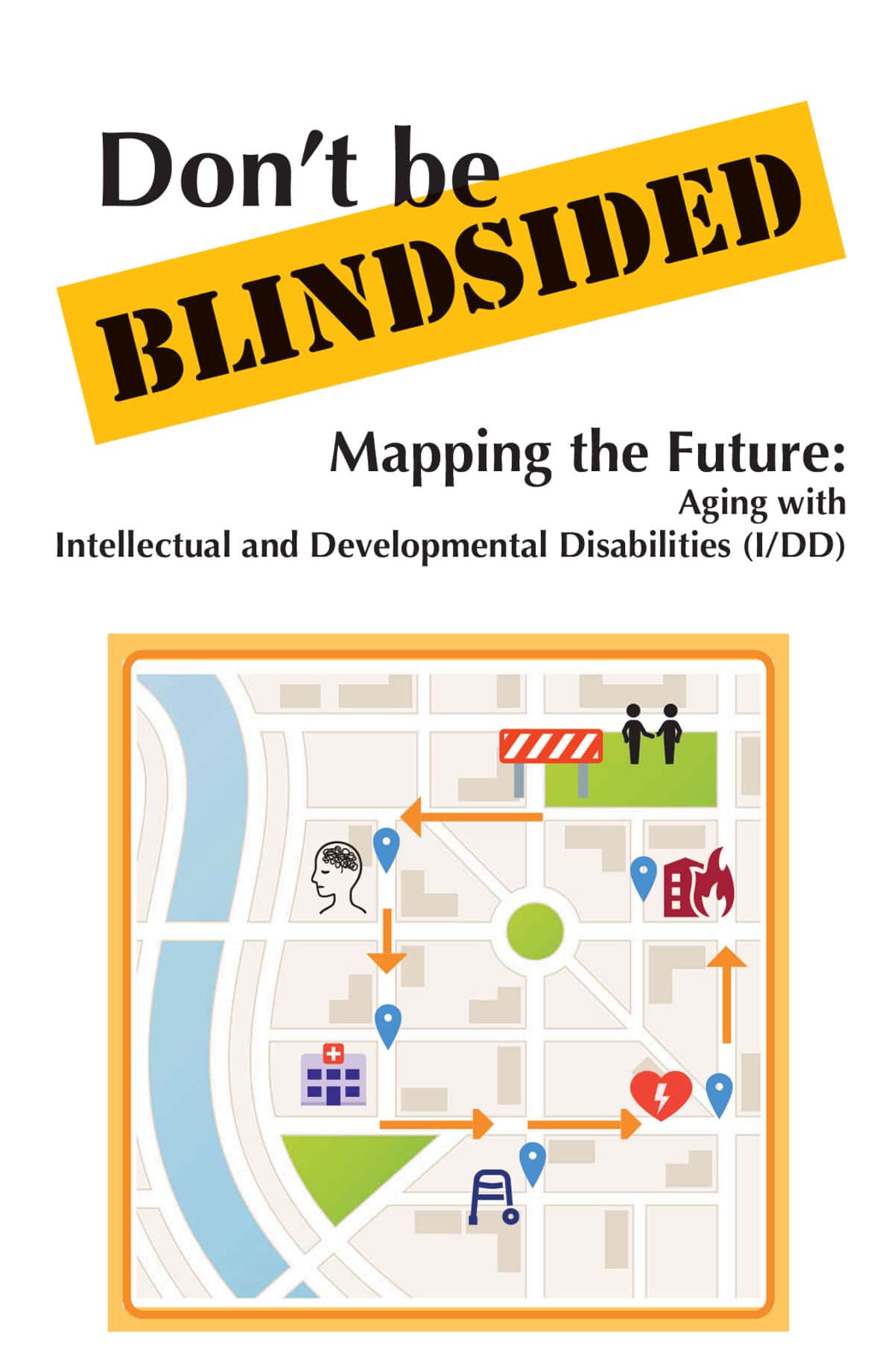
Mapping the Future: Aging with Intellectual and Developmental Disabilities
A planning guide for aging caregivers and families preparing for the future needs of an adult with an intellectual or developmental disability.
-
Family Caregiver Support Program: Eligibility & Services
See who may qualify for Family Caregiver Support Program services, including respite and supplemental support, and where to start.

-
Find Aging Services with the Service Partner Directory
The Service Partner Directory connects residents and caregivers with organizations providing Home and Community Care Block Grant-funded and related aging services. Use it to find local help with meals, transportation, in-home assistance, caregiver support, health promotion, senior centers and other community-based services. The directory itself documents that mix of HCCBG…
-
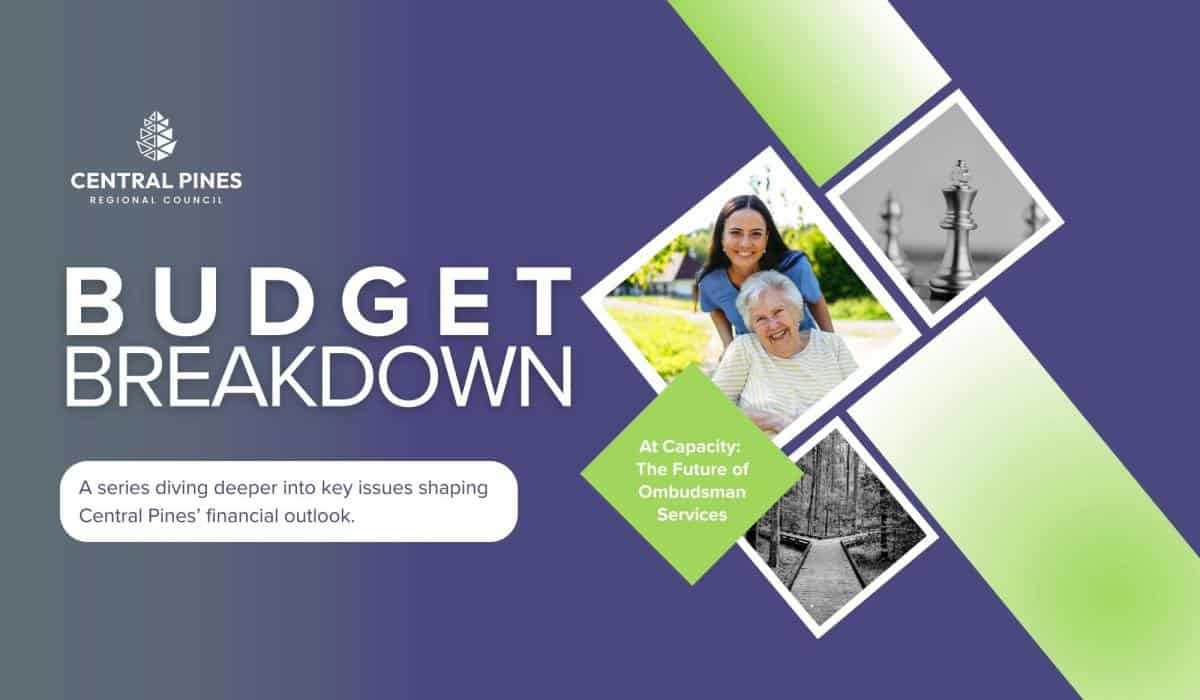
Budget Breakdown: At Capacity – The Future of Ombudsman Services
The first of three supplemental pieces to my Fiscal Year 2026-2027 Central Pines Regional Council Recommended Budget Message. These supplemental posts allow a deeper dive into three of the most pressing issues facing the organization over the next several years. Each piece will end with recommendations to the Board on…
-
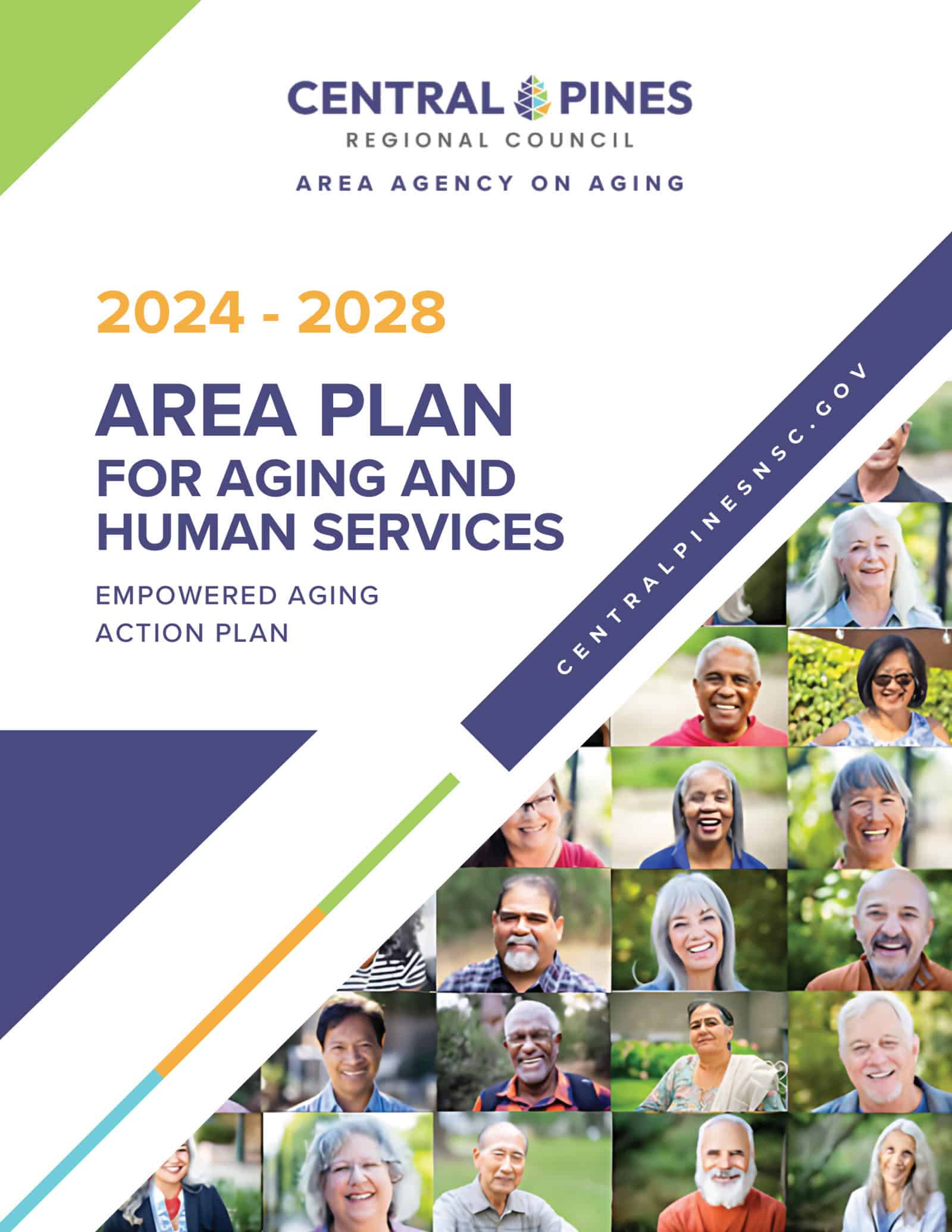
Planning for Aging Across the Region: 2024–2028 Area Plan
Central Pines Area Agency on Aging’s four-year plan sets regional priorities for supporting older adults, adults with disabilities and family caregivers through coordinated services, advocacy and community partnerships.
-
October is Residents’ Rights Month
Across the state, residents of nursing homes and adult care home facilities, along with family members, Long Term Care Ombudsmen, volunteers, facility staff, and others, will honor the individual rights of long term care residents by celebrating Residents’ Rights Month in October. This year’s theme – Amplify Our Voices –…
-
Caregiver Community Event Empowers & Supports Over 500 Caregivers
On Thursday, September 7th, the Duke Caregiver Community Event provided a beacon of hope and resources for more than 500 family caregivers. Hosted by a coalition of organizations including Duke Health, Central Pines Regional Council, Alzheimer's Association of Eastern North Carolina, and the Dementia Alliance of North Carolina, the event…
-
Central Pines’ Area Agency on Aging Receives NADO Award for COVID-19 Outreach & Education Initiative
Central Pines Regional Council’s Area Agency on Aging recognized the importance of COVID-19 vaccinations for maintaining the health of older adults in their seven-county North Carolina region. In response, it developed the COVID-19 Outreach and Education Initiative to increase access to and education of COVID-19 vaccines for those who are…
-
Area Agency on Aging: Service Partner Directory
Use this resource to find the Area Agency on Aging’s service partner contact information and a list of each member’s respective Home and Community Care Block Grant (HCCBG) funded and related services. Directory (PDF, 1.29 MB)
-
Area Agency on Aging Resource Directory
Sed ut perspiciatis unde omnis iste natus error sit voluptatem accusantium doloremque laudantium, totam rem aperiam, eaque ipsa quae ab illo inventore veritatis et quasi architecto beatae vitae dicta sunt explicabo. Nemo enim ipsam voluptatem quia voluptas sit aspernatur aut odit aut fugit, sed quia consequuntur magni dolores eos qui…
Contact Us
Not sure which service, program or provider is right for you? Our Area Agency on Aging team can help you understand your options and connect with resources in your community.
-

Jennifer Link
Family Caregiver Support Program Coordinator
-

Jasmine Wilson
Aging Program Coordinator
-
Hannah Caswell
Administrative Support Specialist/Aging Program Associate
Related Services & Programs
-

Area Agency on Aging
Central Pines Area Agency on Aging connects older adults, adults with disabilities and family caregivers across seven central North Carolina counties with aging services, resources, advocacy and support.
-
Caregiving
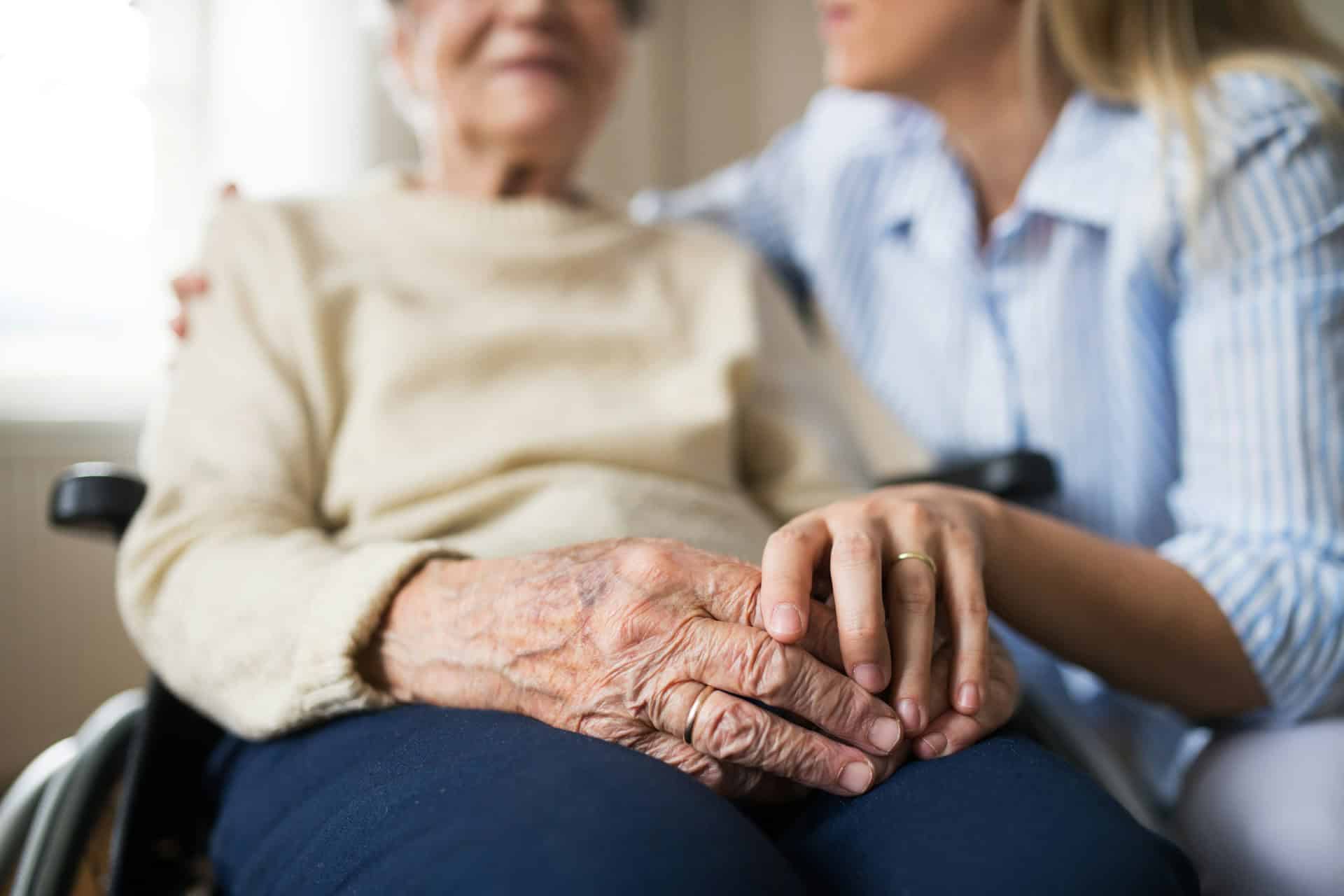
Find respite, caregiver education, support groups, dementia caregiving resources, grandfamily support and local Family Caregiver Support specialists in central North Carolina.
-

Long-Term Care
Find advocacy, information and practical help for residents of nursing homes, adult care homes and family care homes, and for the families and caregivers who support them.
-

Homelessness
Connect people experiencing homelessness with street outreach, health care, local services and regional initiatives designed to improve access, stability and long-term outcomes.
-

Home Repair
Find home repair, rehabilitation and accessibility assistance that can help eligible homeowners address serious safety issues, remain in their homes and protect long-term housing stability.