Climate challenges cross community lines. So do transportation systems, energy markets, development patterns, infrastructure and many of the other systems that influence regional emissions.
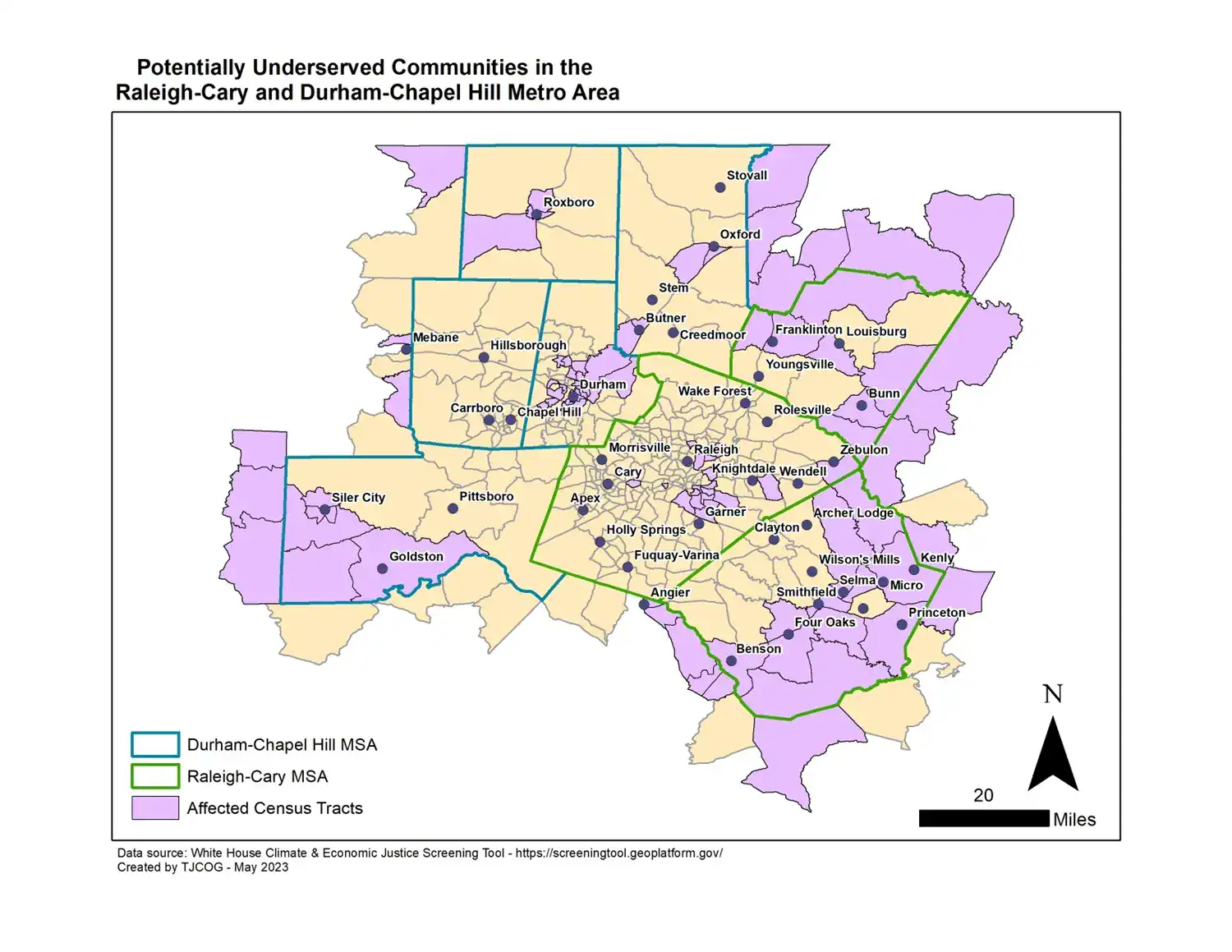
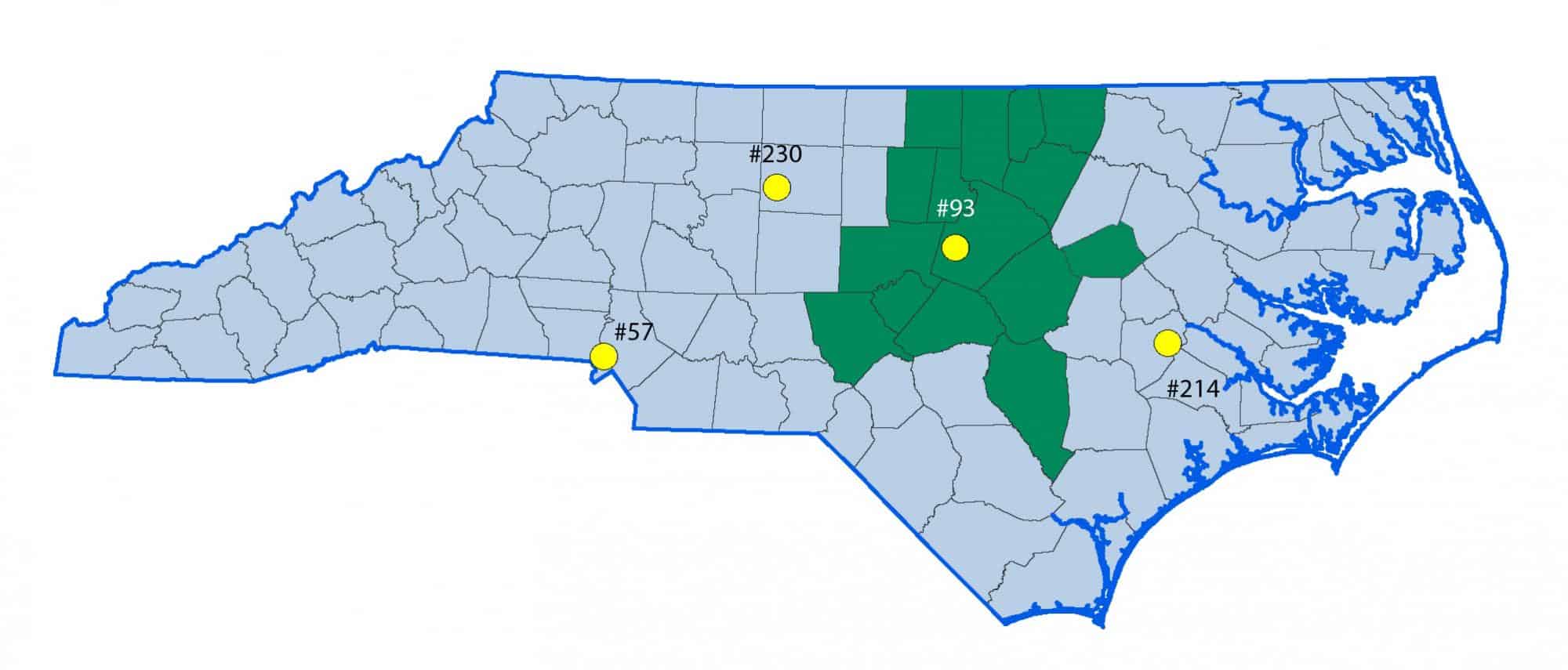
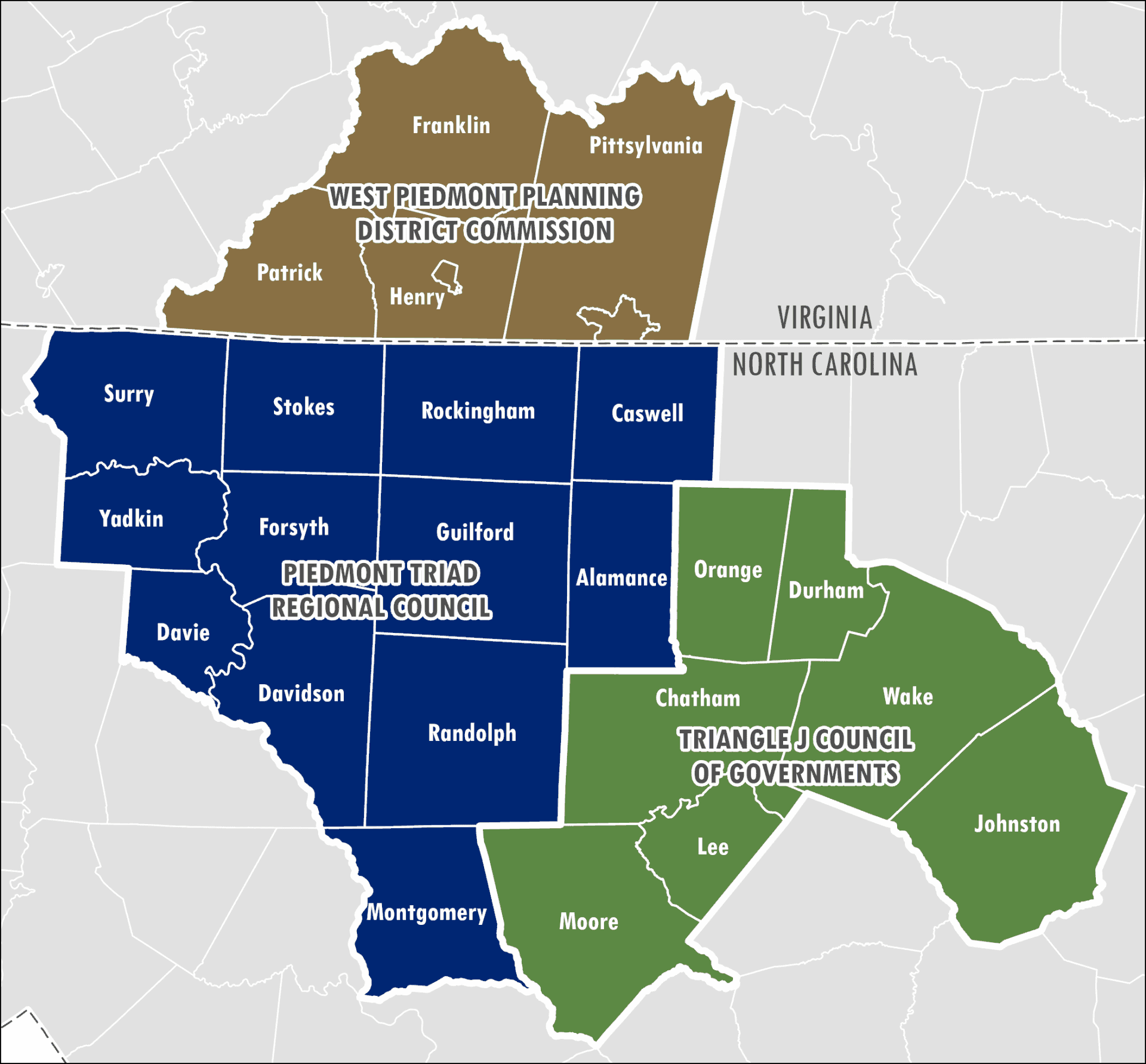
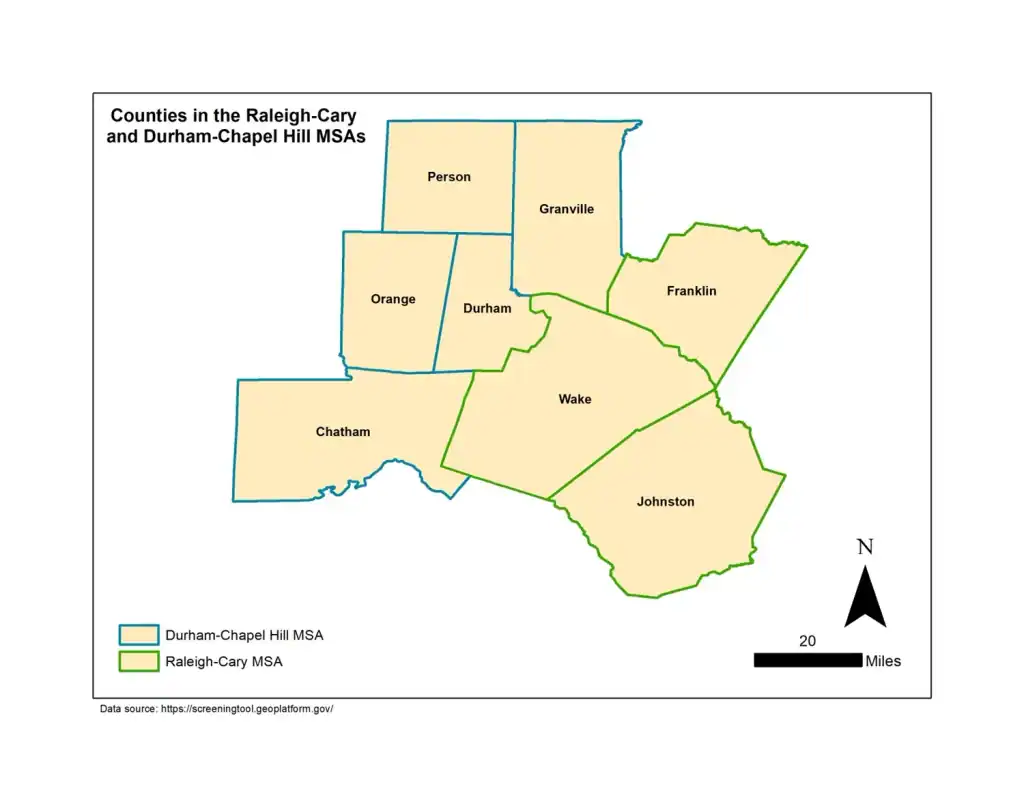
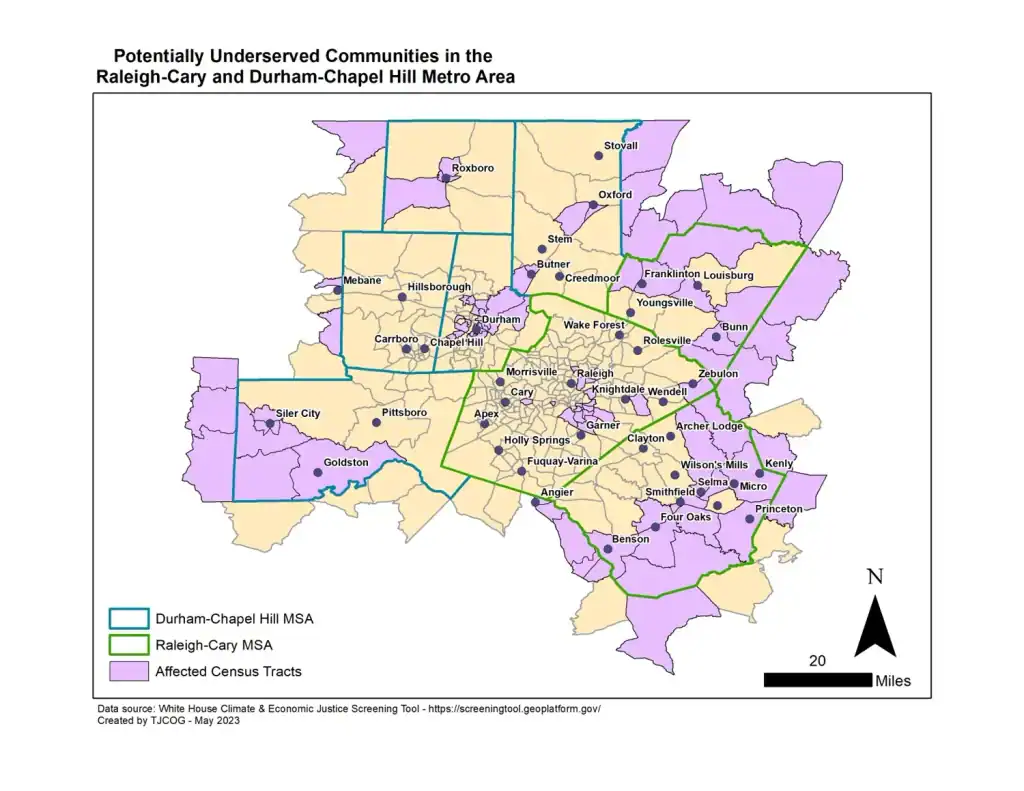
Through the U.S. Environmental Protection Agency’s Climate Pollution Reduction Grant program, Central Pines is coordinating climate planning across the Raleigh-Cary and Durham-Chapel Hill metropolitan areas. The four-year planning grant began in 2023 and covers an eight-county area.
The work is intended to give local governments and regional partners a shared framework for reducing climate pollution while allowing individual communities to pursue the strategies that fit their own priorities.
One Regional Framework, Different Local Needs
The planning area includes urban, suburban and rural communities with different infrastructure, industries, development patterns and climate priorities.
Central Pines’ role is to bring those communities into a shared planning process, connect existing local climate efforts and identify opportunities where regional coordination can create greater impact.
The work considers major sources of greenhouse-gas emissions including transportation, electricity generation, residential and commercial buildings, industry, waste, agriculture and carbon sequestration.
Understand Regional Emissions
Build a shared picture of where greenhouse-gas emissions come from and how they may change.
Identify Practical Strategies
Evaluate actions that communities and regional partners can take across transportation, buildings, energy, waste and other sectors.
Coordinate Investment
Create a framework that can help connect regional and local priorities with future funding and implementation opportunities.
From Priority Actions to Long-Term Planning
From Priority Actions to Long-Term Planning
CWEP is governed by representatives from its participating jurisdictions and agencies, giving members a direct role in shaping program priorities and outreach.
Program Timeline
| Deliverable | Role |
|---|---|
| Priority Climate Action Plan | Identifies high-priority measures that can reduce climate pollution and support investment in the near term. The regional PCAP was submitted in 2024. |
| Comprehensive Climate Action Plan | Expands the work with emissions projections, reduction measures, benefits analysis, funding strategies and workforce considerations. |
| Status Report | Scheduled under the grant for 2027 to document implementation progress and next steps. |
We are working to summarize the tactics in existing climate plans, such as the completed plans for the City of Raleigh, the Town of Chapel Hill, and Orange County, and working with communities with a climate plan underway like Cary, NC.
More Climate Planning Resources
More Climate Planning Resources
Regional planning has included local governments, community-based organizations and residents. Earlier work included four Community Climate Conversations and workshops for community organizations, and CPRC developed a toolkit to help organizations hold their own conversations about climate priorities and potential actions.
The PCAP identifies priority measures for reducing greenhouse-gas emissions across the planning area.
From Oct. 30, 2023 (PDF, 1.08 MB)
Have a Climate or Energy Planning Need?
Central Pines can help member governments connect local climate priorities with regional planning, technical resources and potential partners.