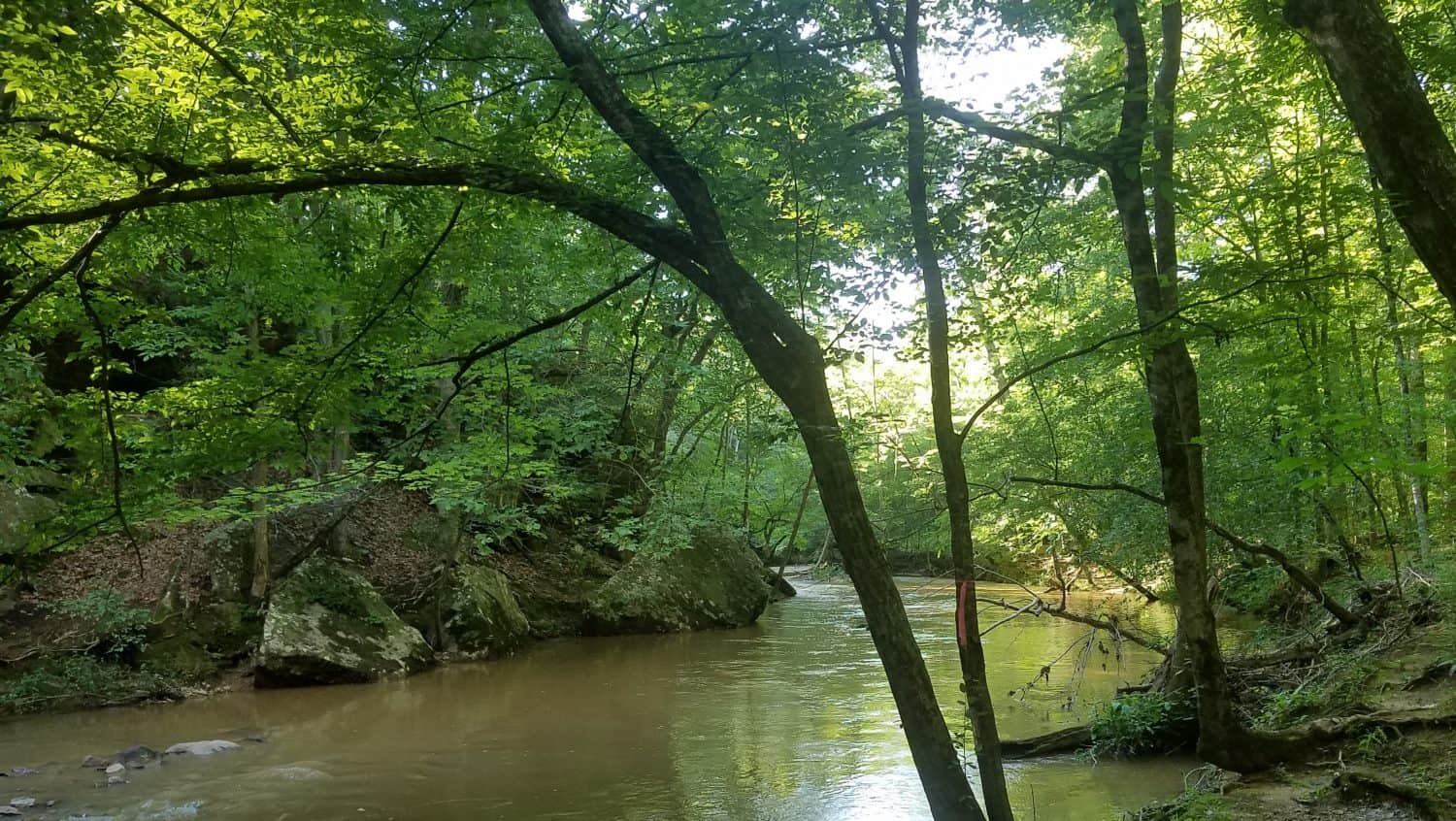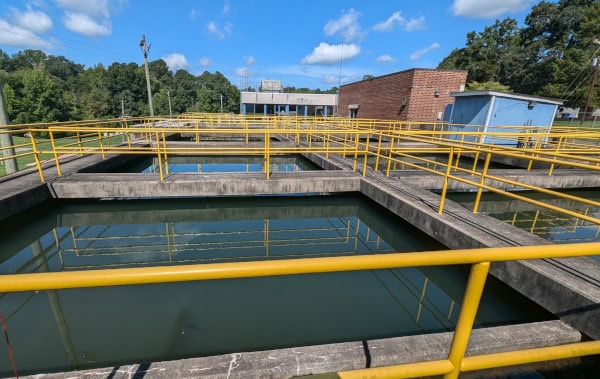
Water treatment basins at the Hillsborough Water Treatment Plant in Hillsborough, North Carolina.
Water systems may be managed locally, but the sources, infrastructure and risks they depend on are regional.
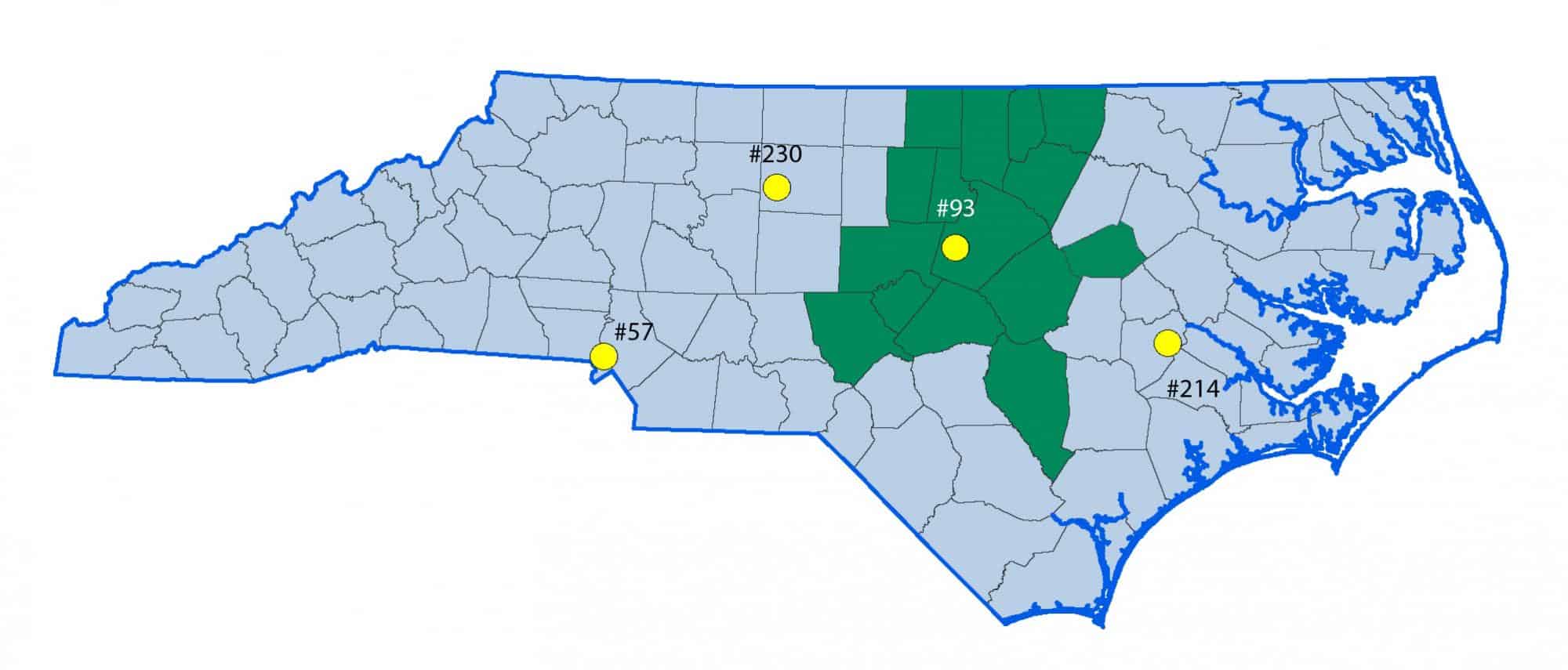
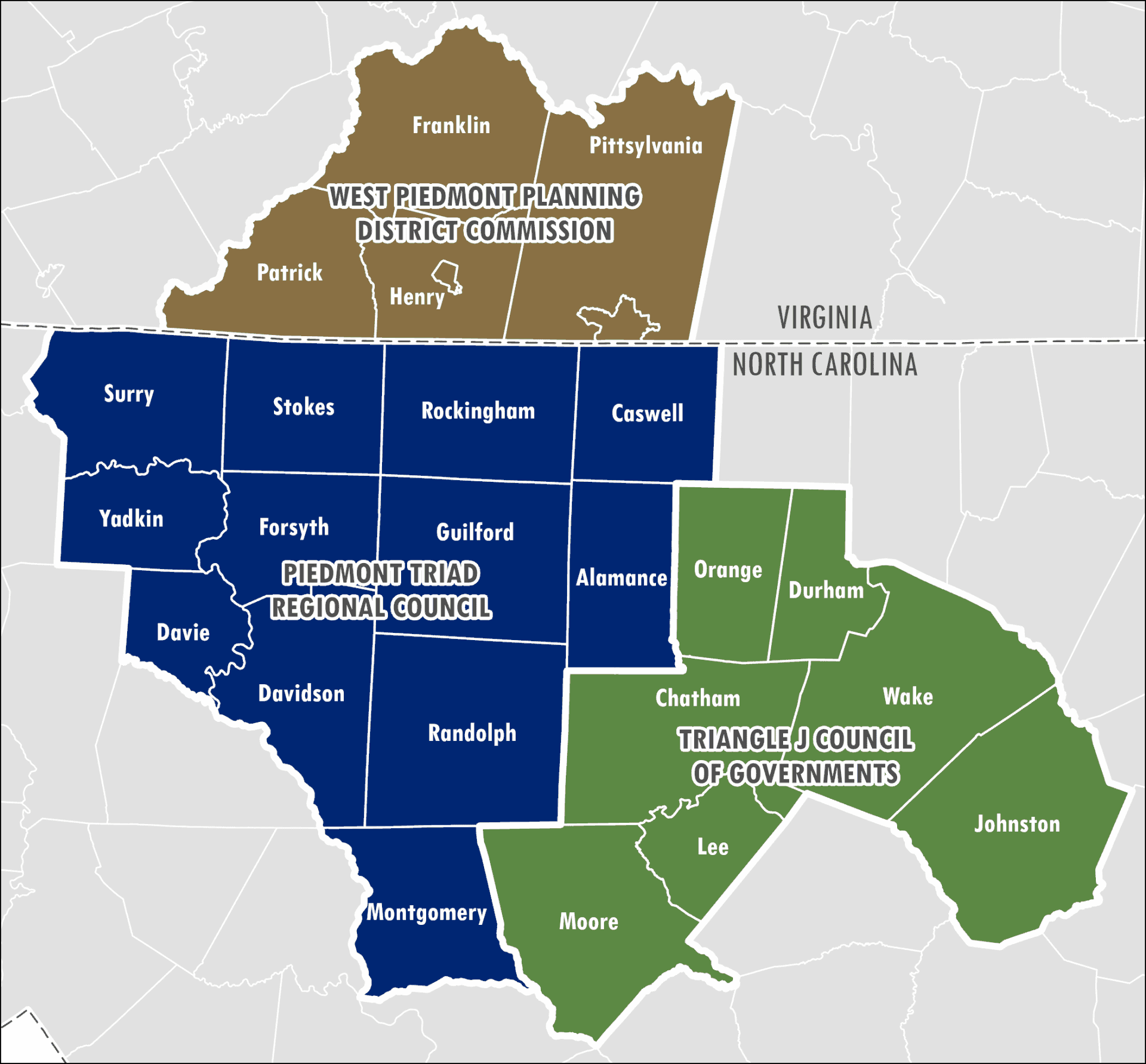
The Triangle Water Supply Partnership, or TWP, brings local governments and water providers together to plan for a more reliable and sustainable regional water supply. The partnership was formed in 2018 by 13 jurisdictions and water systems, building on work begun through the earlier Jordan Lake Partnership. It has since expanded as regional water needs and partnerships have evolved.
Central Pines supports the partnership as its regional coordinating organization, helping utilities work across jurisdictional boundaries on long-range planning, infrastructure connections and shared water-supply challenges.
Why Plan Regionally?
The Triangle’s water systems are connected by more than geography. Communities may rely on shared water sources, interconnected infrastructure and neighboring systems during droughts, emergencies or periods of rapid growth.
Working together gives utilities a way to understand those connections before a crisis occurs.
Greater Reliability
Regional connections and shared planning give communities more options when individual supplies or facilities are stressed.
Better Information
Partners can combine system data, demand forecasts and technical expertise to understand regional water needs more completely.
Shared Solutions
Joint planning can reduce duplication, improve coordination and create opportunities to solve problems at a scale larger than one utility.
Building on the Jordan Lake Partnership
Building on the Jordan Lake Partnership
Regional water-supply cooperation predates the current partnership.
The Jordan Lake Partnership was formed in 2009 as local governments and water systems worked together to understand long-term water needs and pursue allocations from Jordan Lake. That effort produced two major technical tools that continue to inform regional planning.
The original regional plan combined peer-reviewed demand projections with an analysis of future supply options. Completed in 2014, it helped partners understand projected needs through 2060 and supported decisions about Jordan Lake water allocations.
The model maps connections among regional water systems and evaluates how water could move between systems during shortages, outages or other disruptions.
Together, those tools helped establish the technical foundation for continued regional cooperation.
Planning for the Next Generation of Water Needs
Planning for the Next Generation of Water Needs
The partnership continues to update its planning priorities to mitigate risks to regional water supply and infrastructure.
Regional Water Supply Planning
The partnership is updating the Triangle Regional Water Supply Plan to reflect a larger membership, changing demand and additional potential water sources.
Infrastructure & Interconnections
The partnership maintains and updates its regional interconnection model so members can understand how systems could support one another during shortages or facility outages.
Emergency Coordination
Regional partners are also working on approaches to spill response, shortages and other events that can affect several water systems at once.
Planning for Long-Term Water Supply?
Central Pines helps convene water providers and communities around regional planning, shared infrastructure and long-term water-supply needs.