The Upper Middle Creek Watershed Action Plan provides a framework for protecting and improving water quality in a rapidly urbanizing part of Wake County.
Developed by Triangle J Council of Governments, now Central Pines Regional Council, with local and regional partners, the plan examines the condition of the watershed, identifies major sources of water-quality stress and outlines actions communities can take to reduce pollution and protect aquatic habitat. The work was completed in 2022.
Planning for Growth and Water Quality
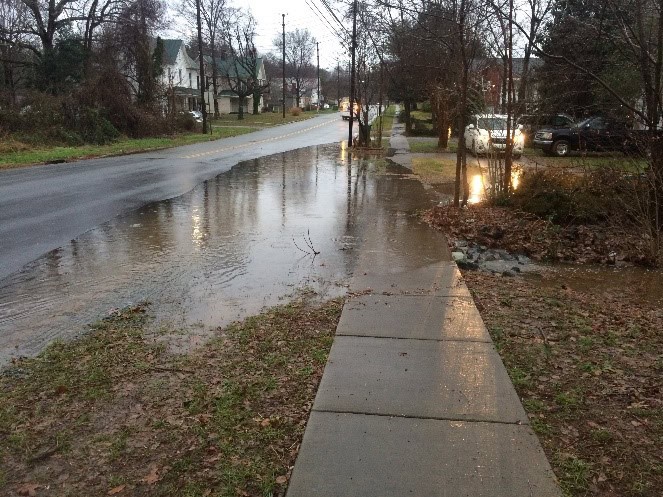
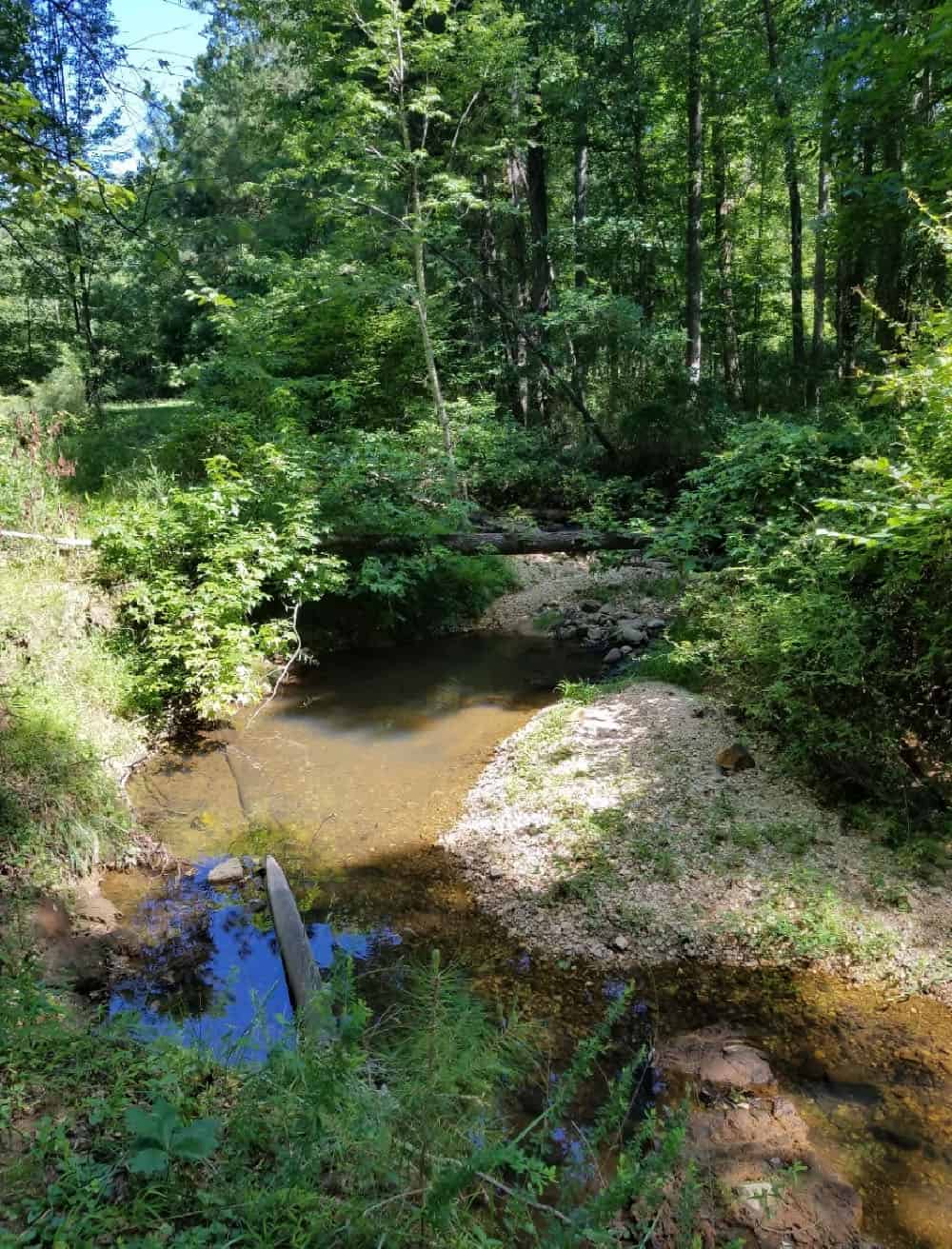
Upper Middle Creek provides habitat, recreational opportunities, flood-mitigation benefits and an important connection to downstream water resources. At the same time, continued development has increased the effects of stormwater runoff and other nonpoint-source pollution.
The plan focuses on pollutants and conditions associated with urban runoff, including sediment, fecal coliform bacteria and other pollutants carried into streams during storm events. It follows EPA’s nine-element watershed-planning framework to connect those challenges with measurable strategies for improvement.
A Regional Planning Effort
Triangle J worked with Wake County and the towns of Apex, Holly Springs, Fuquay-Varina and Cary to develop the watershed plan. The project was supported through North Carolina’s Clean Water Act Section 205(j) planning program.
The Watershed Action Plan is intended to be more than a snapshot of current conditions. It identifies priority projects and strategies that can help local governments reduce pollutant loads, protect surface water and habitat, and respond to the effects of continued development.