Businesses that import materials or products can face significant customs costs, administrative requirements and delays as goods move through the international supply chain.
The Research Triangle Area Foreign Trade Zone #93 gives qualifying businesses another tool for managing those costs. Central Pines serves as the grantee and administrator for the multi-site zone and works with businesses interested in establishing Foreign Trade Zone operations.
Foreign Trade Zone participation is not the right fit for every company. For businesses with significant import activity, manufacturing or regular international shipments, however, the potential savings can be meaningful.
How a Foreign Trade Zone Can Help
Foreign Trade Zones are federally authorized areas where imported merchandise can receive special customs treatment before entering U.S. commerce.
| Potential benefit | How it works |
|---|---|
| Duty deferral | Customs duties generally are not paid until imported merchandise leaves the zone and enters U.S. commerce. |
| Duty exemption | Goods that are re-exported from the zone may avoid certain U.S. customs duties. |
| Duty reduction | Some manufacturing operations may qualify for a lower duty rate based on the finished product rather than its imported components. |
| Consolidated entries | Eligible zone users can consolidate certain customs entries, potentially reducing processing and brokerage costs. |
| Streamlined logistics | Approved procedures can simplify the movement and handling of imported merchandise. |
The value depends on the company’s products, supply chain and trade activity. Central Pines can help businesses determine whether further evaluation makes sense.
Is FTZ #93 a Fit for Your Business?
Is FTZ #93 a Fit for Your Business?
Businesses considering the program should start by looking at their import volume, customs duties, manufacturing or assembly processes and frequency of shipments.
Companies do not need to relocate to a traditional industrial “zone.” FTZ #93 operates under a multi-site structure that allows eligible businesses within the approved service area to pursue designation for their facilities.
Service Area & Current Zone Locations
Service Area & Current Zone Locations
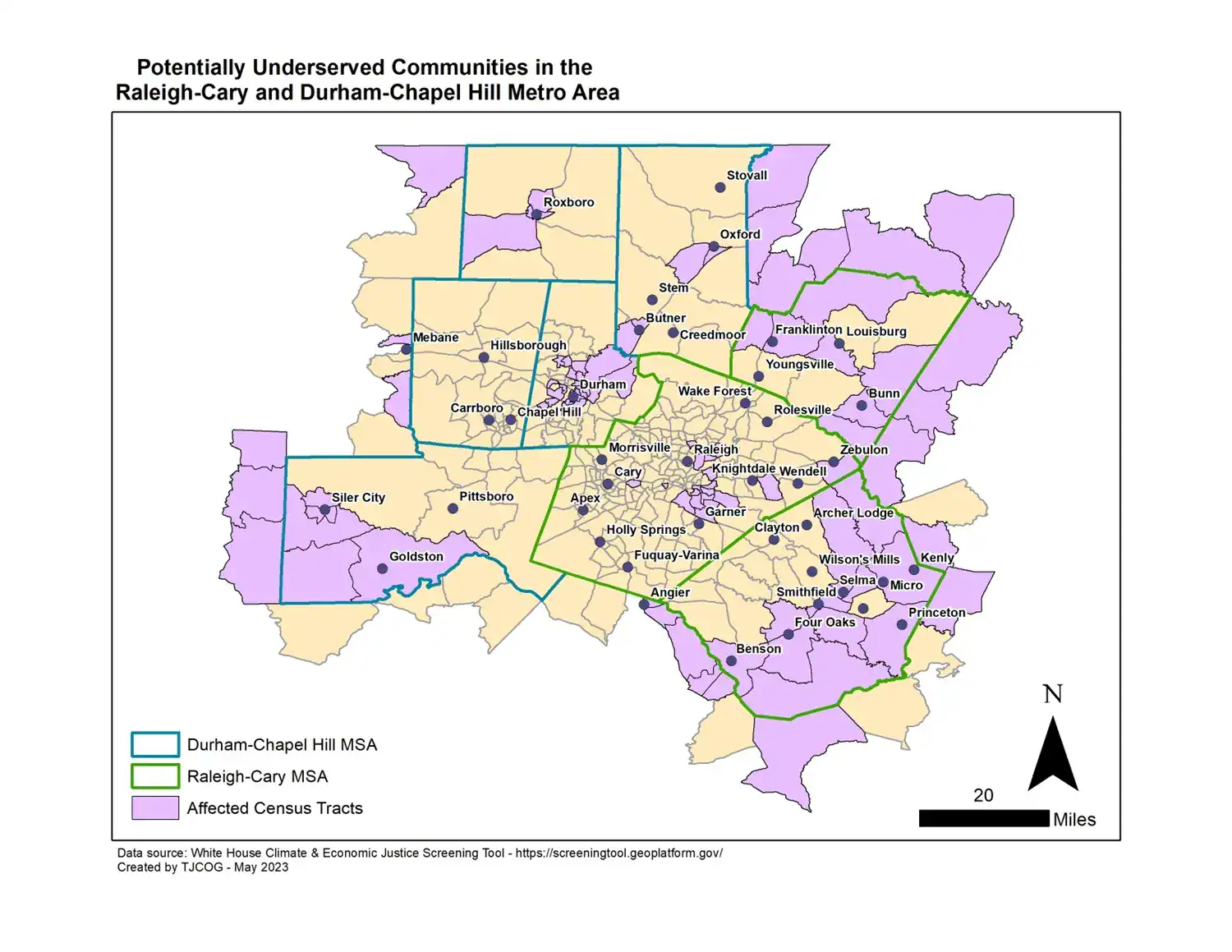
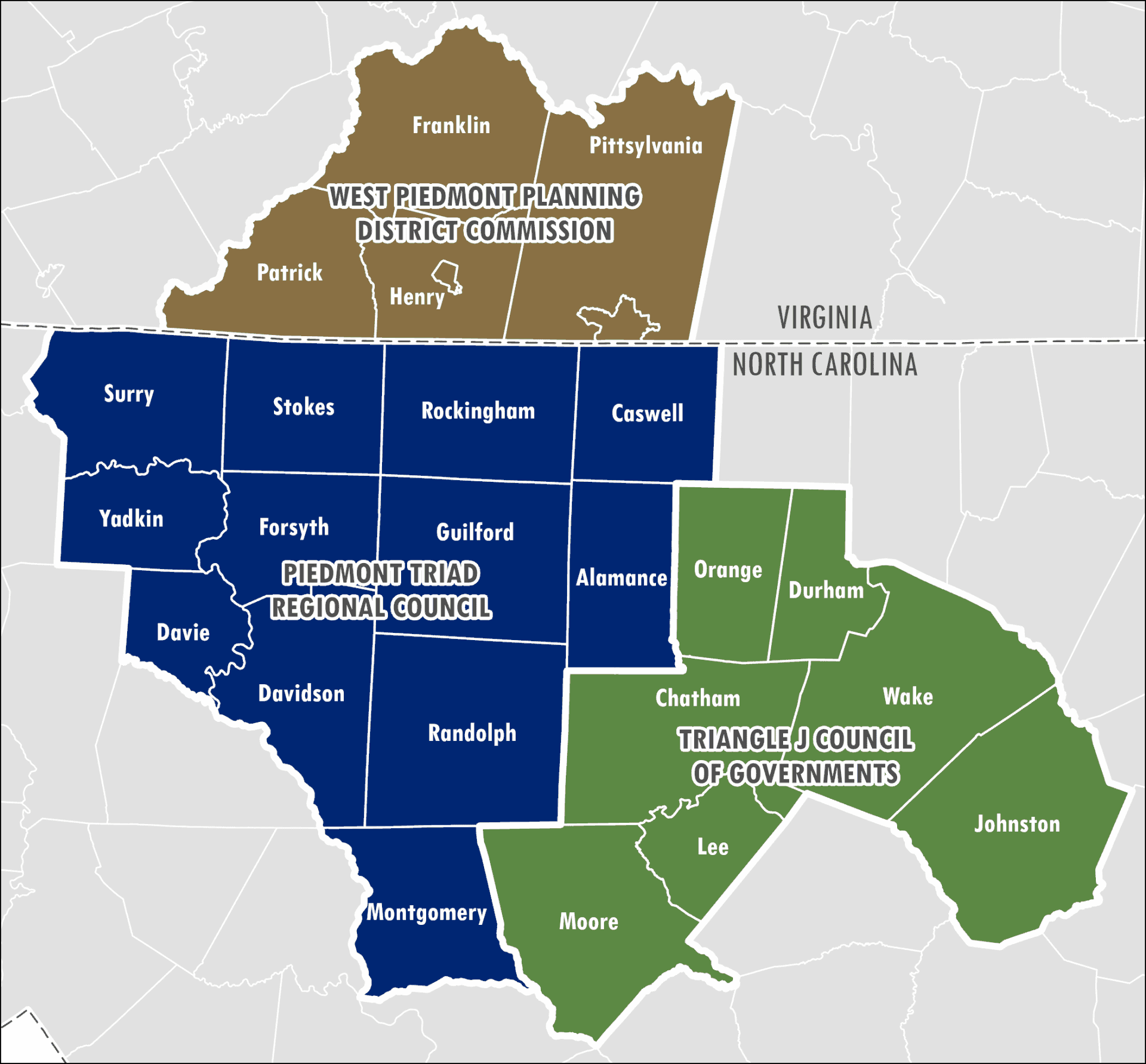
The current program serves a 15-county area across Chatham, Durham, Franklin, Granville, Harnett, Johnston, Lee, Moore, Orange, Person, Sampson, Vance, Wake, Warren and Wilson counties.
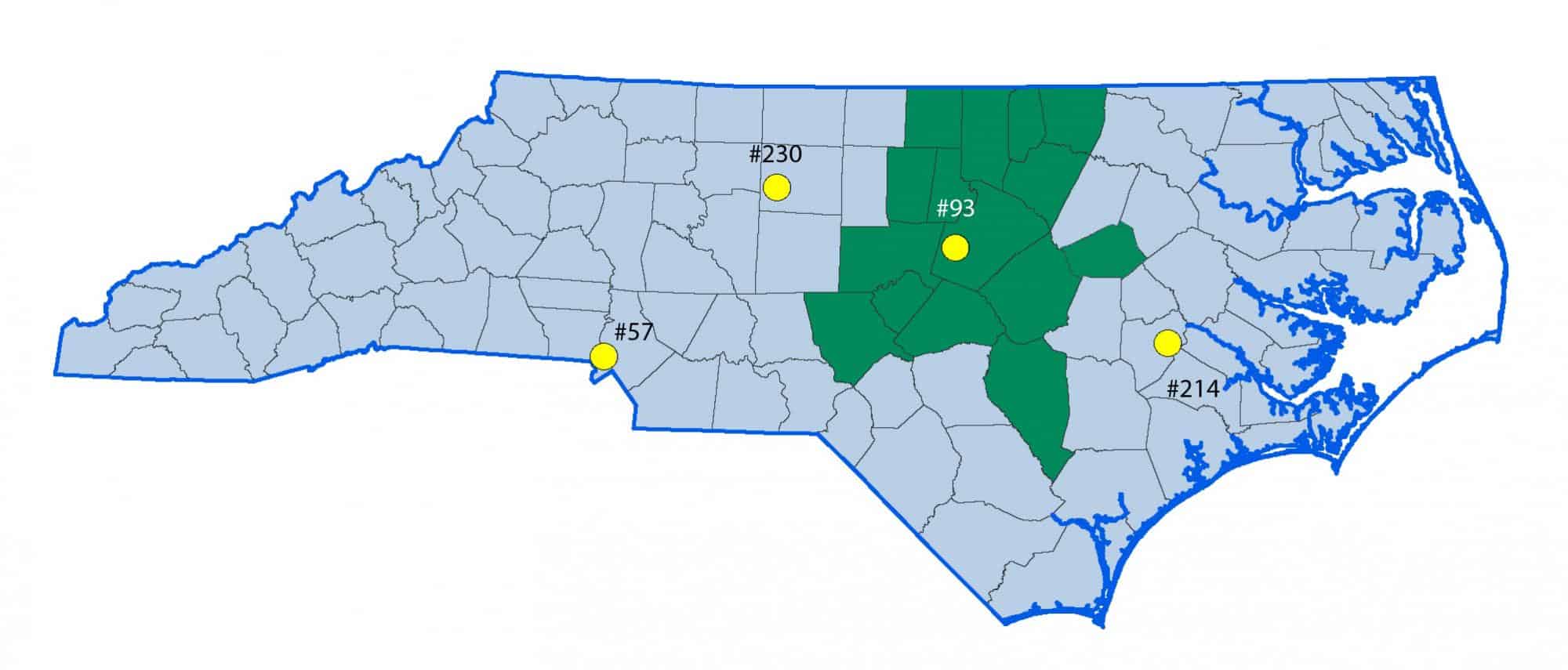
Current FTZ #93 locations include operations associated with companies such as GlaxoSmithKline, Biogen, Merck, Eli Lilly, Revlon, General Electric, Life Science Logistics, Almac Clinical Services and other regional manufacturers and logistics businesses.
How FTZ #93 Is Administered
How FTZ #93 Is Administered
Central Pines is responsible for administering FTZ #93 under authority granted by the U.S. Foreign-Trade Zones Board.
The program is also supported by the FTZ #93 Rates, Tariff and Legal Review Board, which advises on administration and the zone’s public-utility responsibilities. Applications for new zone activity move through a review and sponsorship process before federal authorization.
The program is also supported by the FTZ #93 Rates, Tariff and Legal Review Board, which advises on administration and the zone’s public-utility responsibilities. Applications for new zone activity move through a review and sponsorship process before federal authorization.
Getting Started
Getting Started
A first conversation can help determine whether the potential benefit justifies a more detailed analysis. Companies should be prepared to discuss the products they import, annual import volume, current customs costs, how imported materials are used and where goods ultimately enter the U.S. market or are re-exported.
Could FTZ #93 Reduce Your Trade Costs?
Central Pines can help your company understand the program, evaluate whether FTZ participation warrants further analysis and navigate the next steps if it does.