
Mobility
Expanding transportation choices, improving safety and helping communities move toward cleaner ways to travel.
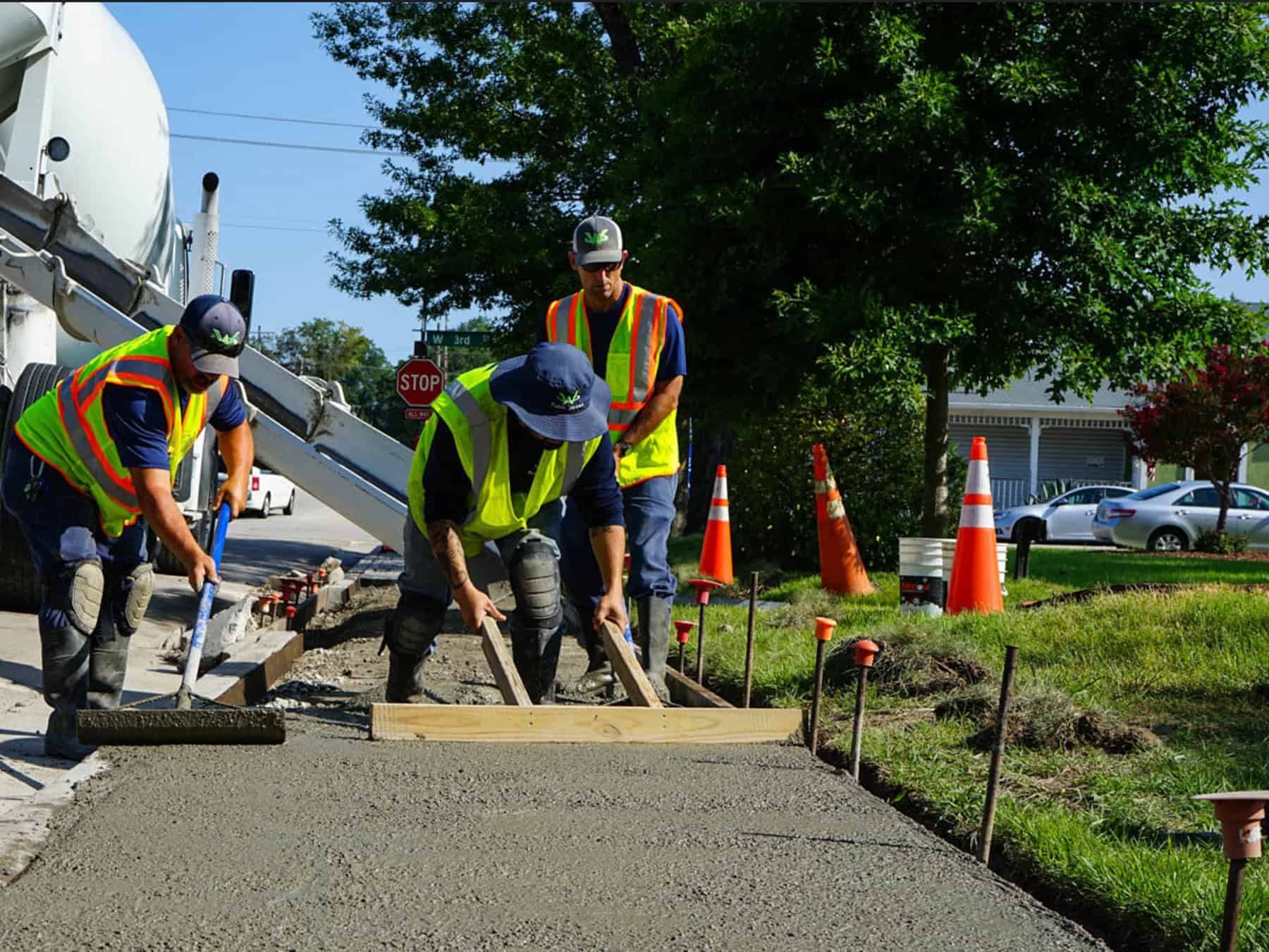
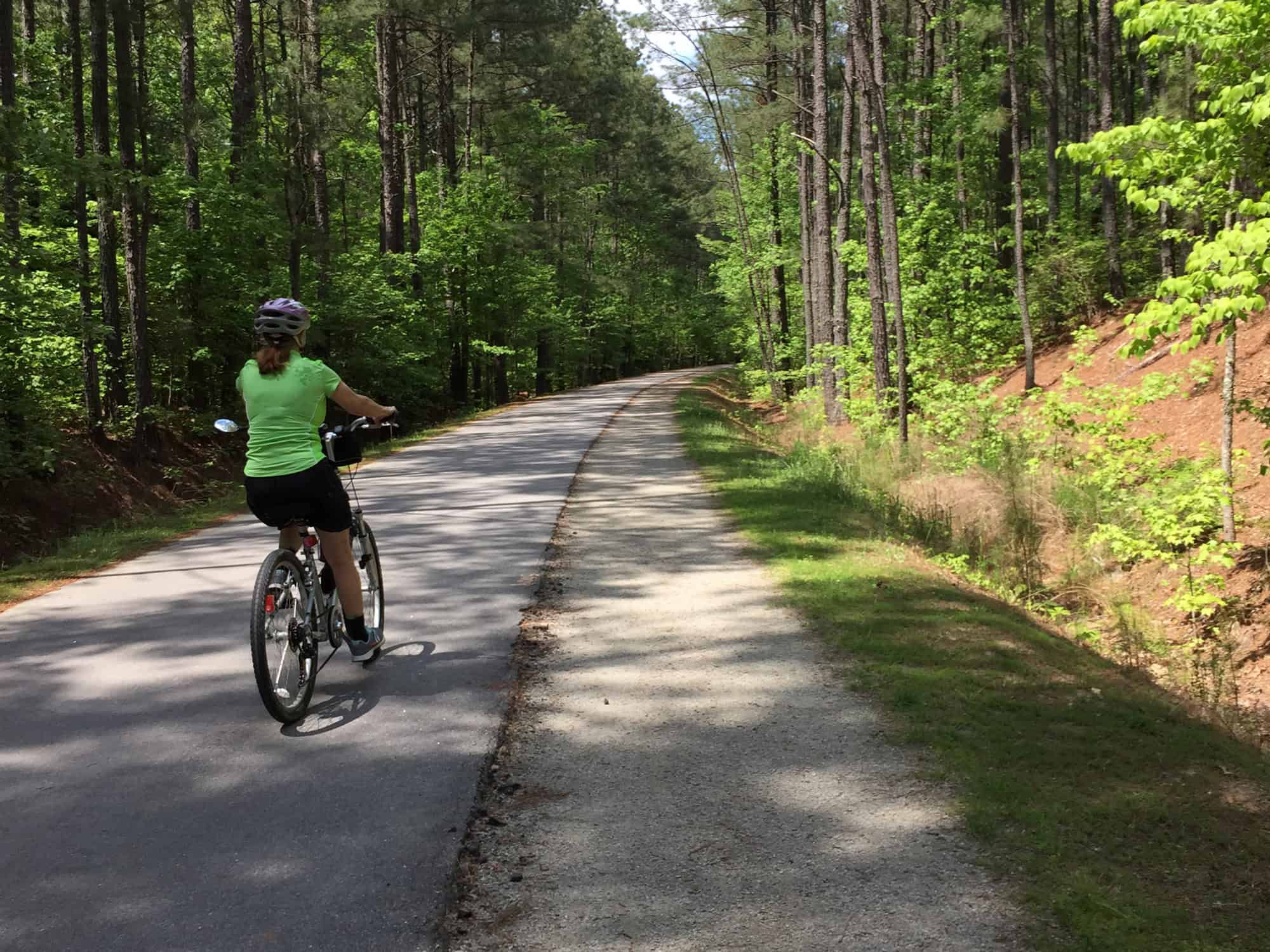
Program Details
Getting around a growing region takes more than roads. People need practical choices for reaching work, school, services and everyday destinations, while communities need tools to improve safety, strengthen connections and prepare for changing transportation technology.
Central Pines brings together regional programs, funding, technical assistance and local partners to expand those choices. Our work includes transportation demand management, employer commute programs, roadway safety, bicycle and pedestrian planning, and cleaner transportation technologies.
Regional Work
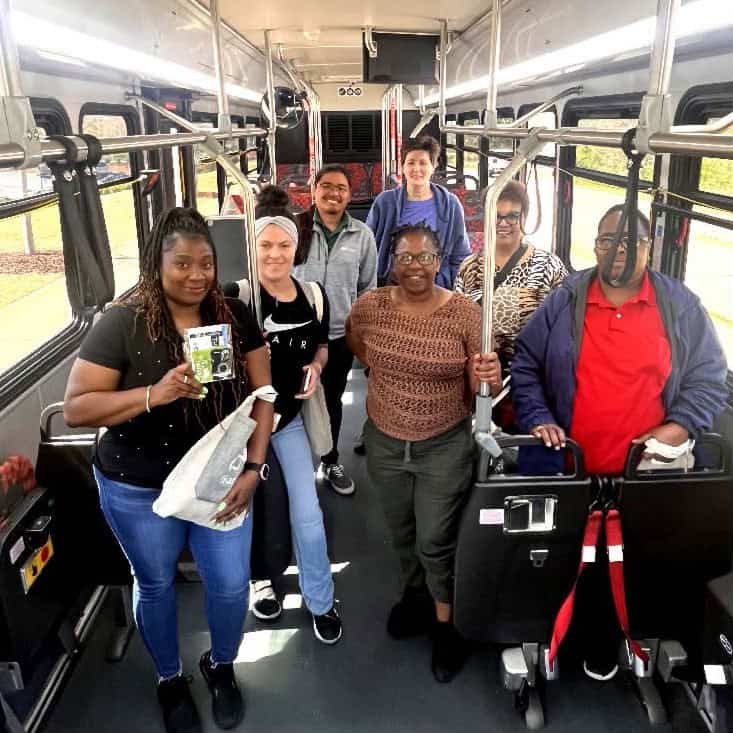
Triangle Transportation Choices
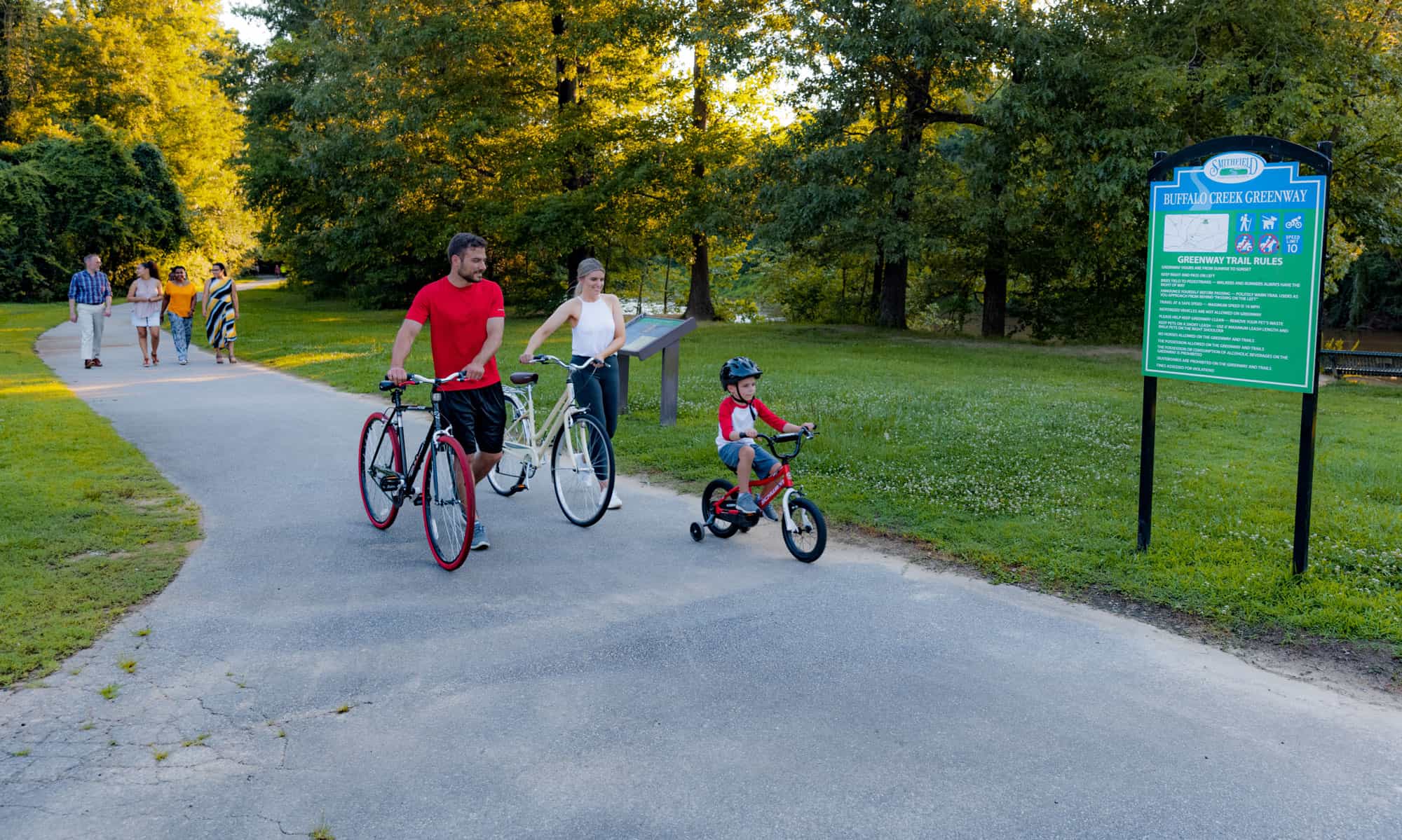
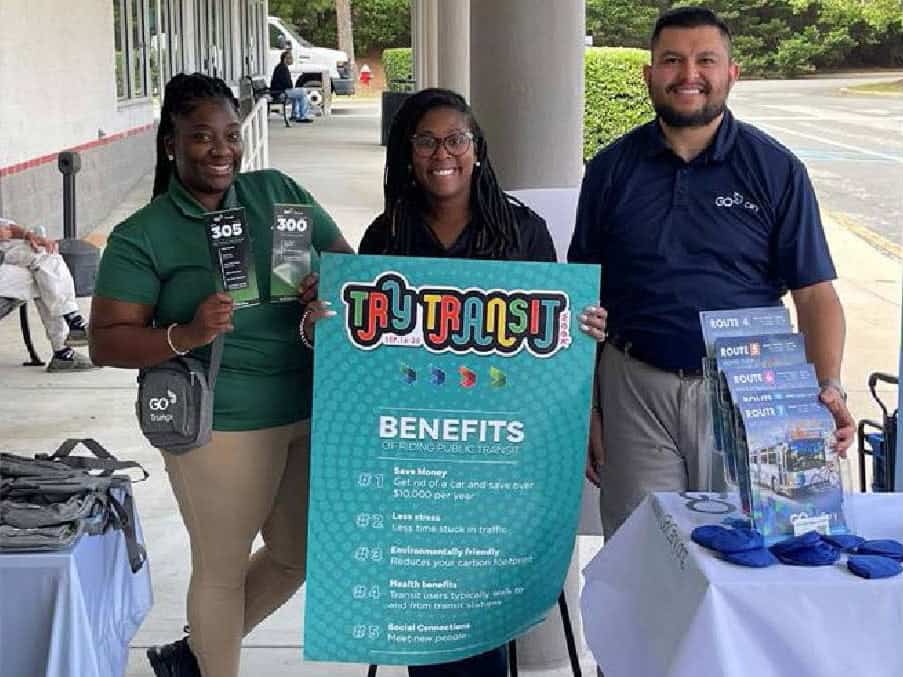
A regional Transportation Demand Management program that funds and supports organizations helping people use alternatives to driving alone.
Regional Work
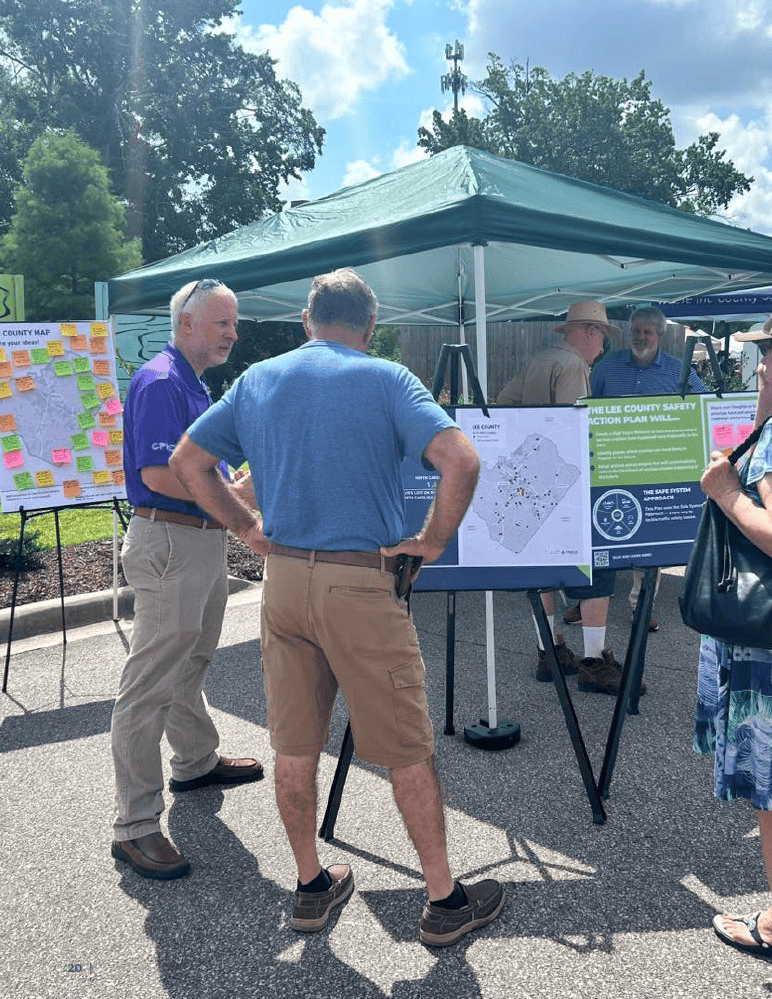
Safe Streets for All
Data, templates, pilot Safety Action Plans and practical tools communities can use to advance roadway-safety planning.
Regional Work
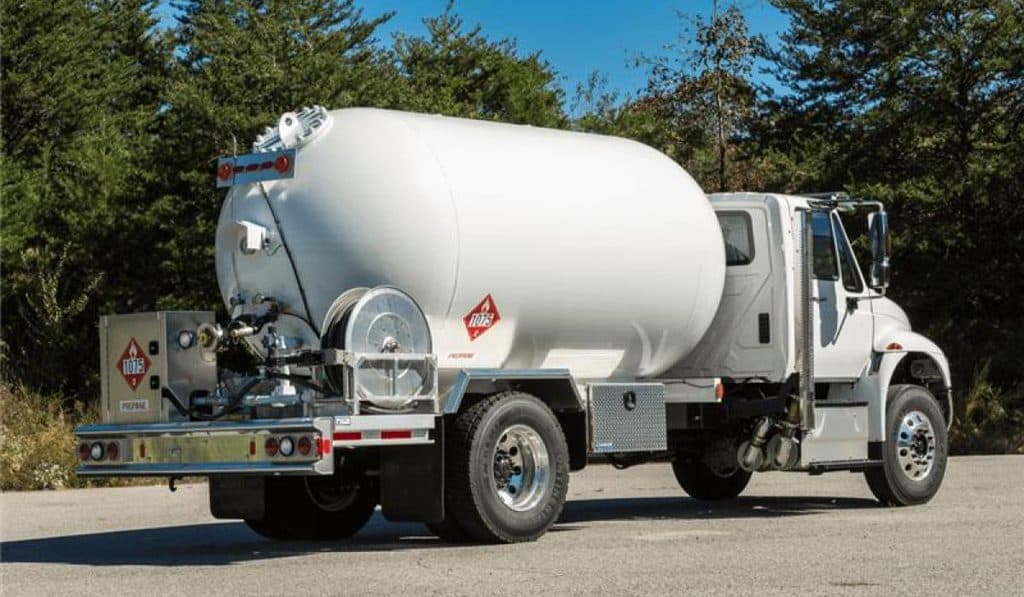
Triangle Clean Cities
Technical assistance, grants and partnerships supporting cleaner fuels, efficient fleets, electric mobility and emerging transportation technologies.
Services At a Glance

Explore The Details
Program Services & Information
Program Services & Information
Make More Transportation Choices Practical
Support commuting options and local programs that make transit, carpooling, biking, walking and flexible work easier to use.

Transportation Choices & Commute Programs
Transportation Demand Management, or TDM, helps people use alternatives to driving alone, including transit, carpooling, vanpooling, biking, walking, teleworking and flexible schedules.
Central Pines supports these choices through Triangle Transportation Choices and Commute Friendly NC, helping communities and employers make everyday travel more practical.
Learn More about Triangle Transportation Choices
Learn More about Triangle Transportation Choices
Triangle Transportation Choices funds and supports programs that help people use transit, carpool, vanpool, bike, walk and explore flexible commuting options. Funding supports outreach, education and other non-infrastructure strategies.
The program serves all of Wake and Durham counties and portions of Orange, Chatham, Franklin, Johnston and Granville counties.
Program Results
In fiscal year 2025, participating programs helped avoid approximately 5 million vehicle trips, reduce commute travel by 74 million miles and save 3 million gallons of gasoline.
Maps for Planning Outreach
Transportation Choice Hubs identifies employment concentrations to help partners prioritize outreach to employers and workers.
REINVEST Neighborhoods identifies residential outreach priorities, helping partners reach overlooked communities and people who could benefit from transportation alternatives.
Grant Funding Eligibility Area shows the geographic boundaries of the program.
Learn More about Commute Friendly NC
Learn More about Commute Friendly NC
This program helps employees find more practical ways to get to work. Commute Friendly NC provides consultation, coaching and recognition for employers adopting commuter-friendly benefits and policies.
Support can include:
- Transit benefits and information
- Carpool and vanpool support
- Bicycle amenities
- Telework, hybrid work and flexible schedules
Find the Right Starting Point
Have a question about employee commuting, TDM funding or transportation outreach? Shuchi Gupta can help connect your organization with the right program or resource.
Build Safer, Better-Connected Communities
Use regional safety data and active-transportation planning to improve streets and strengthen connections for people walking, biking and rolling.

Safe Streets & Active Transportation
Mobility is not only about having more choices. Those choices also need to be safe and connected.
Central Pines supports communities with regional safety analysis, planning tools and bicycle and pedestrian work that can cross jurisdictional boundaries.
Roadway Safety
Central Pines’ Safe Streets for All work created a set of resources communities can use to better understand serious crashes and develop Transportation Safety Action Plans.
Walking & Biking Connections
Central Pines has also supported regional bicycle and pedestrian initiatives where connections extend across community boundaries.
A major example is the Triangle Bikeway Study, which evaluated a regional shared-use path connecting Raleigh, Cary, Morrisville, Research Triangle Park, Durham and Chapel Hill. The legacy project page preserves the feasibility study, implementation materials and five technical appendices.
Learn About the Safe Routes to School Program
Learn About the Safe Routes to School Program
Archived Program
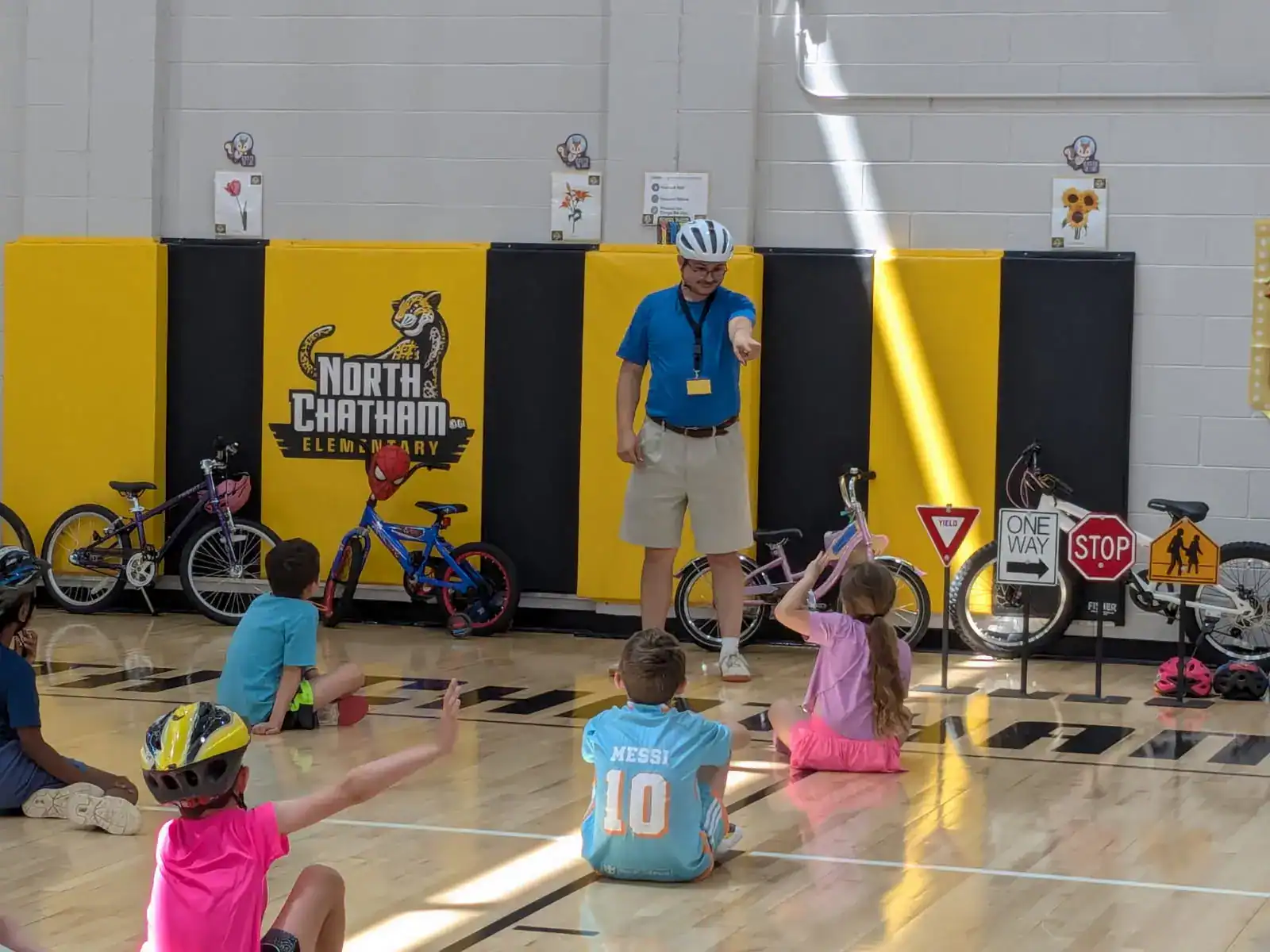
Central Pines previously worked with schools across the region to encourage students to walk, bike and roll safely through education, activities and regional partnerships.
CPRC paused Safe Routes to School operations effective July 1, 2026.
Move Toward Cleaner Transportation
Help communities and fleets evaluate cleaner vehicles, fuels and transportation technologies while connecting them with expertise, partners and funding.
Clean Transportation Support
Transportation technology is changing quickly. Central Pines helps public agencies, fleets and other organizations understand those changes and determine which approaches make sense for their needs.
Much of this work is delivered through Triangle Clean Cities, a Central Pines program that provides grant assistance, technical assistance and networking around efficient mobility systems, alternative fuels and fuel-saving technologies.
Clean Transportation Support
Clean Transportation Support
Fleet & Technology Assistance
Evaluate vehicle technologies, fuels and strategies that can improve fleet efficiency and resilience.
Electric Vehicles & Charging
Support planning and education around electric vehicles and charging infrastructure.
Funding & Grant Assistance
Connect eligible organizations with opportunities that can help advance clean-transportation projects.
Peer Learning & Partnerships
Bring fleets, public agencies, technology providers and other partners together to share practical experience.
Alternative Fuels & Infrastructure
Support broader cleaner-fuel strategies, including electric, propane, natural gas and other technologies represented in the existing program.
Have a mobility or clean transportation need?
If your community or organization has a mobility challenge that does not fit neatly into one program, Central Pines can help identify the right expertise, partner or next step.
Frequently Asked Questions
Find the right starting point for commute programs, transportation safety, walking and biking, and cleaner transportation.
What is Transportation Demand Management?
What is Transportation Demand Management?
Transportation Demand Management, or TDM, uses programs and incentives to make alternatives to driving alone more practical. Those alternatives can include transit, carpooling, vanpooling, biking, walking, teleworking and flexible schedules.
What is Triangle Transportation Choices?
What is Triangle Transportation Choices?
Triangle Transportation Choices is Central Pines’ regional TDM program. It funds and supports organizations that encourage alternatives to single-occupancy vehicle travel through outreach, education and other programs.
Can my workplace get help with employee commuting?
Can my workplace get help with employee commuting?
Yes. Commute Friendly NC provides participating employers with consultation, coaching, guidance and recognition for commuter-friendly policies and benefits.
Can our community use Central Pines’ roadway-safety tools?
Can our community use Central Pines’ roadway-safety tools?
Yes. The Safe Streets for All project includes data tools, templates and pilot plans designed to help communities develop and implement local Transportation Safety Action Plans.
What is the Triangle Bikeway?
What is the Triangle Bikeway?
The Triangle Bikeway Study evaluated a regional shared-use path connecting communities between Raleigh and Chapel Hill. The study and implementation materials will remain available as a dedicated project resource.
Is Central Pines still operating Safe Routes to School?
Is Central Pines still operating Safe Routes to School?
No. CPRC program operations were paused effective July 1, 2026.
Can Central Pines help with electric vehicles or cleaner fleets?
Can Central Pines help with electric vehicles or cleaner fleets?
Yes. Triangle Clean Cities provides grant assistance, technical assistance and networking around cleaner transportation fuels, efficient mobility systems and related technologies.
What is the difference between Mobility and Transportation Planning?
What is the difference between Mobility and Transportation Planning?
Mobility focuses on how people and organizations travel: transportation choices, employer programs, safety, walking and biking, and cleaner transportation.
Transportation Planning focuses on long-range plans, project priorities, modeling, metropolitan planning and rural transportation planning.
Resources & Guides
Explore major programs, studies, toolkits and reports supporting transportation choices, safety and cleaner mobility across the region.
-
Powering Cleaner Transportation Across the Triangle
Connect with technical assistance, funding, partnerships and practical resources that help fleets and communities adopt cleaner fuels, efficient vehicles and emerging transportation technologies.
-
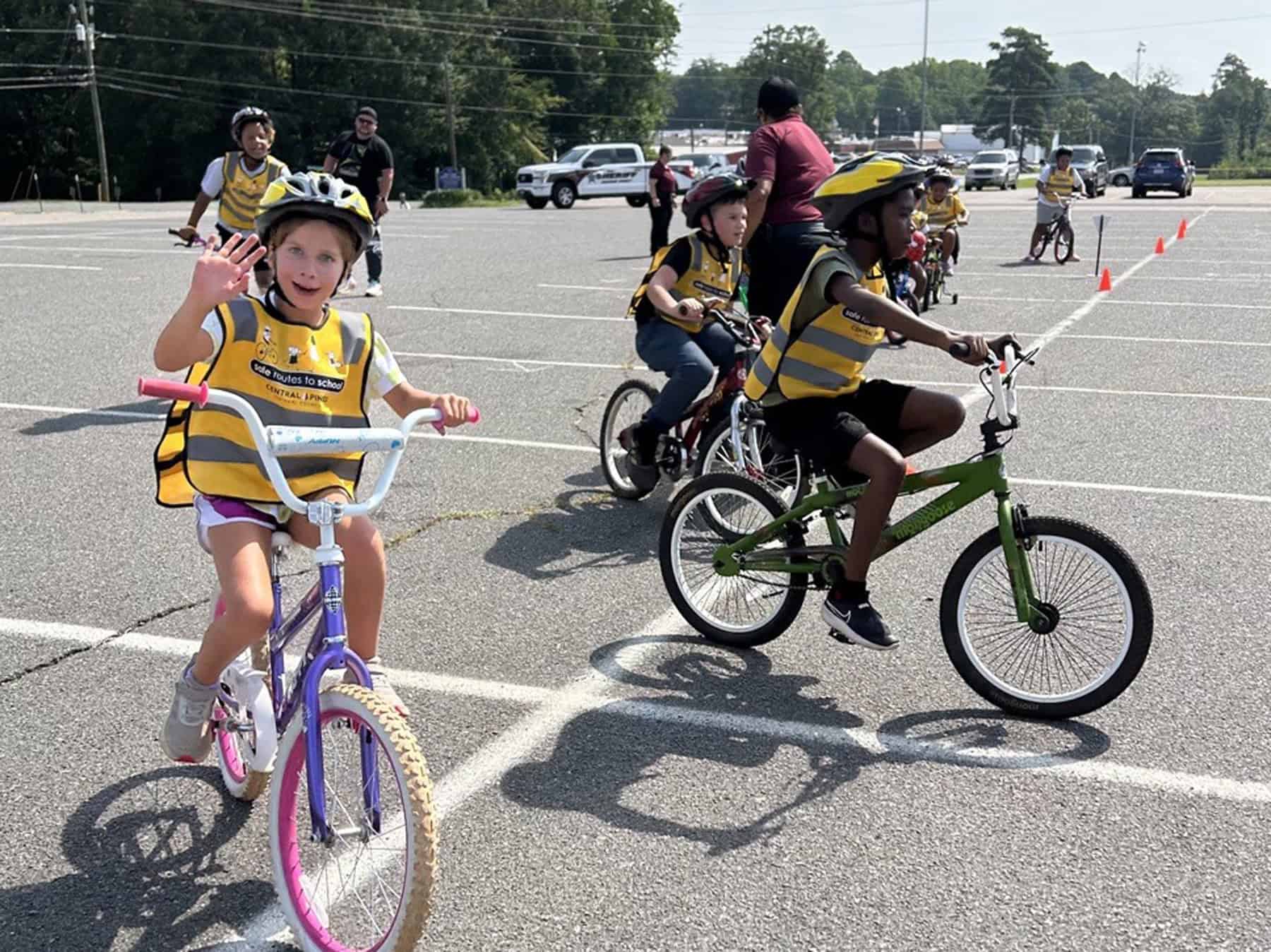
Helping Students Walk, Bike and Roll Safely
Explore past Safe Routes to School programs, bilingual activity guides, regional partnerships and resources that helped students walk, bike and roll more safely.
-
Build a Safer Transportation Plan
Use Central Pines data tools, templates, pilot Safety Action Plans and technical guidance to identify roadway-safety needs and build a local Transportation Safety Action Plan.
-
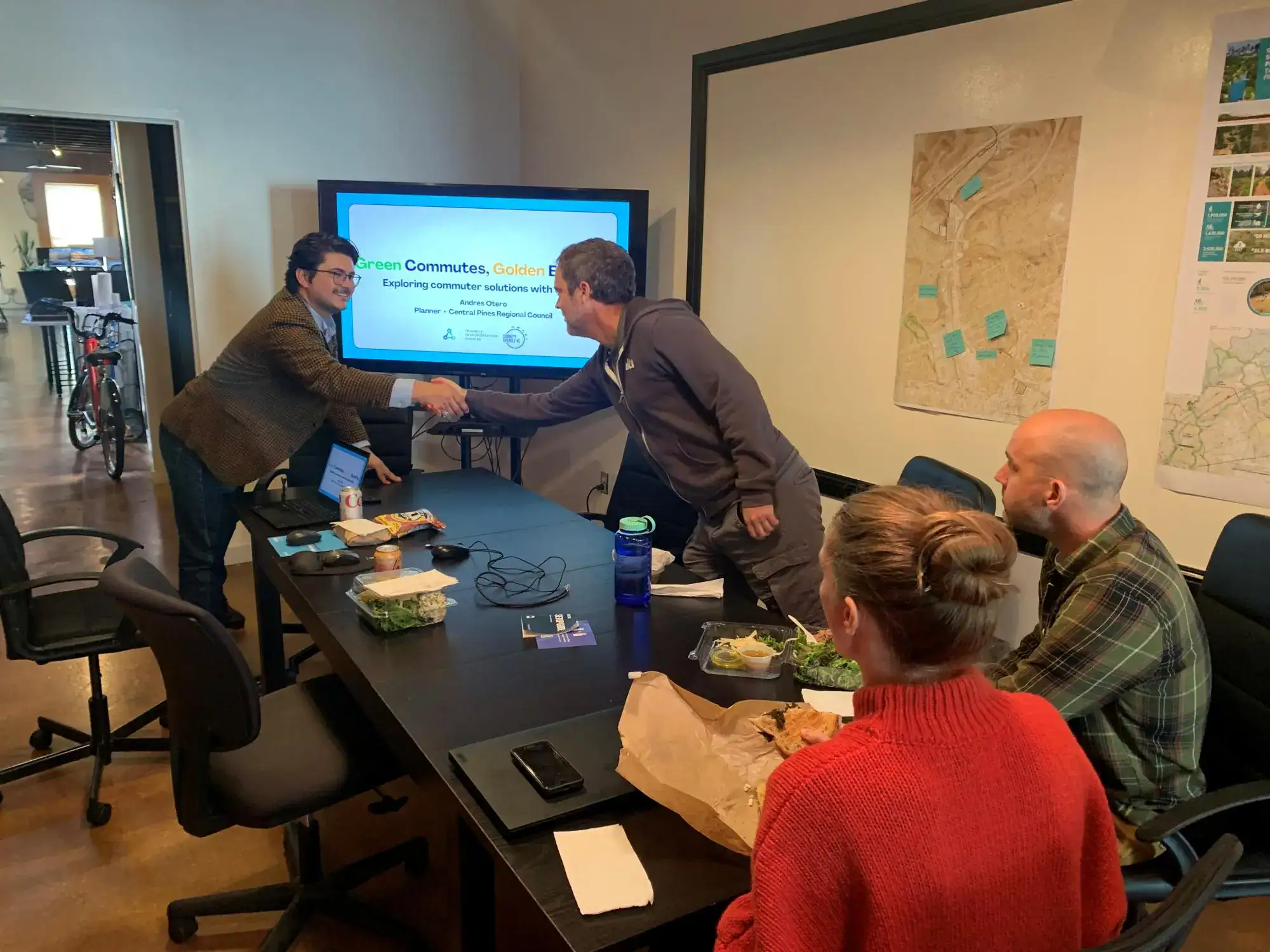
Make the Commute Work Better with Commute Friendly NC
Help employees save money, expand their transportation choices and make getting to work easier with commuter-friendly benefits, policies and programs.
-
Triangle Transportation Choices
Triangle Transportation Choices is a Transportation Demand Management (TDM) program that promotes alternative transportation options across a seven-county region that includes all of Wake and Durham counties and portions of Orange, Chatham, Franklin, Johnston and Granville counties.
-
Central Pines Receives National Award for Safe Streets Work
Central Pines Regional Council received a 2026 NADO Excellence in Regional Transportation Award for its Safe Streets for All in the Triangle project, which helps communities plan for safer roads.
-
Commute Friendly NC Welcomes Two New Triangle Employers Promoting Sustainable Commuting
Commute Friendly NC welcomes Alta Planning + Design and Toole Design Group as new recognized employers. Both Triangle firms offer commuter benefits that support sustainable travel and employee well-being.
-
Propane and Compressed Natural Gas 101: A Cleaner Fuel Alternative
The transportation industry has benefited from moving toward a diversified and more efficient fuel solution. Propane and compressed natural gas (CNG) vehicles are gaining traction as viable alternatives to gasoline and diesel.

-
Durham Ride & Drive Events
Curious about Electric Vehicles (EVs)? Want to test drive one? Interested in the latest clean energy initiatives in the Triangle? Join us this spring for two exciting Ride & Drive events! Triangle Clean Cities is partnering with the City of Durham to bring electric vehicle test drives to two of…
-
CPRC recognized among the first earning Transportation Demand Management (TDM) accreditation
Central Pines Regional Council was among the first nine organizations accredited by the Association for Commuter Transportation for excellence in Transportation Demand Management. The recognition highlights the Triangle Transportation Choices program and its work expanding alternatives to driving alone.
-
Central Pines Awarded $3.9M to Improve EV Charging Reliability and Performance
January 25, 2024 Central Pines Regional Council (CPRC) is excited to announce a $3.9 million grant through the U.S Department of Energy's Ride and Drive program, funded by the Bipartisan Infrastructure Law. This significant award will support the Team-based Evaluation, Surveying, & Training (TEST) for Real-World Charging Project, aimed at…
-
Connecting the Triangle by Bike and Foot
Explore the study, recommended alignment and implementation resources for a planned 23-mile shared-use path connecting Raleigh, Cary, Morrisville, Research Triangle Park, Durham and Chapel Hill.
Connect With Our Mobility Team
Have a question about commuting, transportation safety, walking and biking, or cleaner vehicles and fuels? Connect with our team to find the right program, resource or next step.
-
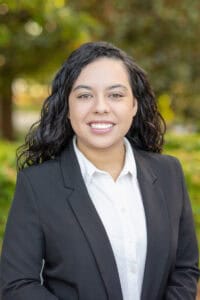
Laura Gomez Rodriguez
Planner II
Related Services & Programs
-

Transportation Planning
Coordinate long-range transportation plans, project priorities, modeling and regional partnerships across both metropolitan and rural communities.
-
Housing
Help communities understand housing needs, shape policy, identify development opportunities and connect funding with local housing priorities.
-
Land Use & Community Planning
Use land-use analysis, growth forecasting and scenario planning to help communities make informed decisions about development and future change.