
Caregiving
Find practical help for family caregiving, including respite, education, support groups, dementia care, resources for grandfamilies and working caregivers, and local specialists who can help you navigate what comes next.

Program Details
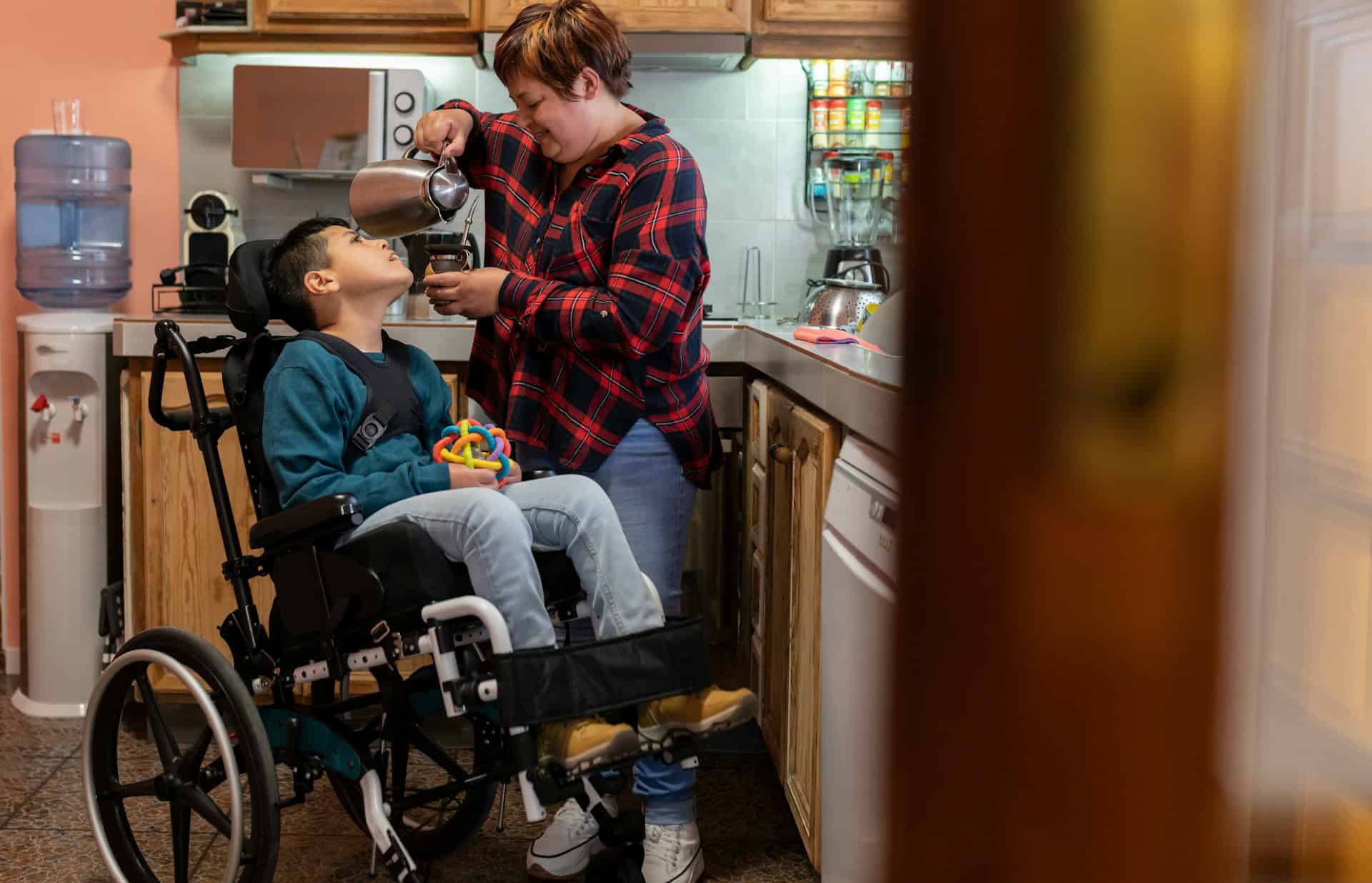
You may be a caregiver without thinking of yourself that way. If you regularly help a family member or friend with daily needs such as meals, medications, transportation, personal care or managing life at home, caregiving is already part of your life.
Central Pines’ Family Caregiver Support Program works with community partners to help unpaid caregivers find information, education, practical support and opportunities for respite. The goal is to help you care for someone else without losing sight of your own health and well-being.
Caregiving situations are different, and eligibility varies by program. Whether you are caring for an older adult, someone living with dementia, a relative child, an adult with a disability or balancing caregiving with work, there are resources designed to help.
Services At a Glance


Explore The Details
Program Services & Information
Program Services & Information
Finding the Right Support
Caregiving needs can change quickly. Local specialists can help you understand the options available to you and connect you with programs that fit your situation.

Local Family Caregiver Support
Family Caregiver Support specialists work with caregivers to identify needs, explain available programs and connect families with local services. Central Pines works with partner organizations throughout the region so caregivers can begin with someone who understands the resources available in their community.
Support Specialists
Support Specialists
Need help finding the right caregiver service? Local Family Caregiver Support specialists can answer questions, explain available options and connect you with programs in your community.
Local Caregiver Support Partners
Local Caregiver Support Partners
- Area Agency on Aging Service Partner Directory — Find the Family Caregiver Support organization serving your community.
- Central Pines Family Caregiver Support Program — Contact Jennifer Link for regional program questions.
Taking Care of the Caregiver
Support can include time away from caregiving, opportunities to learn new skills and connections with people who understand what the experience is like.

Respite Care
Respite gives caregivers temporary relief from their caregiving responsibilities. Options may include adult day services, adult day health programs, in-home assistance or short-term overnight care, depending on what is available locally and what the person receiving care needs.
Additional Respite Resources
Additional Respite Resources
- Certified Adult Day and Day Health Programs in North Carolina — Locate state-certified programs that provide daytime care and supervision.
- North Carolina Lifespan Respite — Explore respite information and additional caregiver resources.
Caregiver Education & Support
Learning how to manage caregiving while protecting your own health can make the experience more sustainable. Classes and support groups provide practical tools, information and opportunities to connect with other caregivers.
Powerful Tools for Caregivers is designed to help caregivers take better care of themselves while caring for someone else, with strategies for managing stress, communication and everyday caregiving challenges.
Classes & Support Groups
Classes & Support Groups
- Powerful Tools for Caregivers — Find information about the caregiver education program and available classes.
- NC 211 Caregiver Support Groups — Find local family caregiver groups.
- Family Caregiver Alliance — Online support for family caregivers, including resources for LGBTQ+ caregivers.
- Duke Dementia Family Support Program — Support for families affected by dementia.
- Dementia Alliance of North Carolina — Education and caregiver resources.
- Alzheimer’s Association — Local and online dementia caregiver support.
Dementia Caregiving
Caring for someone living with dementia can bring different questions and challenges as needs change over time. Specialized programs can help caregivers understand those changes, plan care and find time to recharge.

Project CARE
Project CARE — Caregiver Alternatives to Running on Empty —provides dementia-specific support for people directly caring for someone with Alzheimer’s disease or a related dementia.
Services can include care consultation, counseling, caregiver education and limited respite assistance. In the Central Pines region, the Duke Dementia Family Support Program serves as the Project CARE site.
Dementia Caregiver Resources
Dementia Caregiver Resources
Duke Family Support Program’s Project Care Coordinators
- Local: 919-660-7510
- Toll-Free: 800-646-2028
Caregiver Navigator
- Toll-free: 844-728-0191
Different Caregiving Roles
Not every caregiver relationship looks the same. Some older adults are raising children again, some young people help care for older family members, and many caregivers are also balancing full-time employment.
Grandfamilies
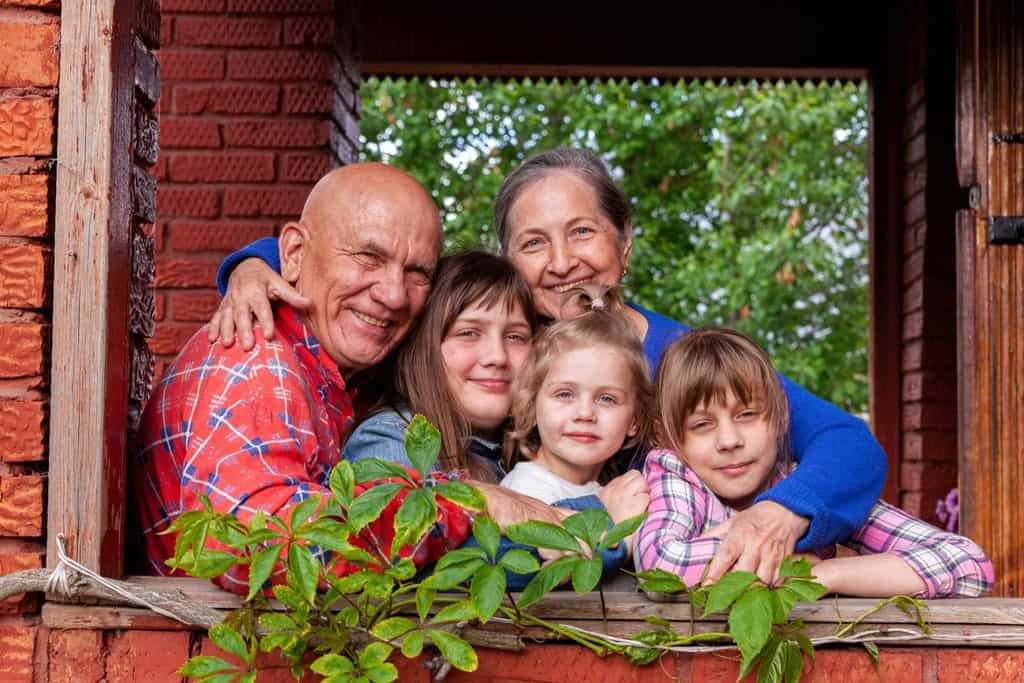
Grandparents and other relatives sometimes step into a parenting role when a child’s parents cannot provide care. Along with the rewards of caring for family, these situations can bring questions about finances, legal responsibilities, school, health care and everyday family life.
Family Caregiver Support specialists can help eligible relative caregivers understand available services and resources.
Grandfamily Resources
Grandfamily Resources
- Find a Local Family Caregiver Support Specialist
- Grandfamilies.org — National information and resources for grandparents and other relatives raising children.
Youth & Bookend Caregivers
Some young people provide regular care for a parent, grandparent or other relative. In a bookend caregiving relationship, an older adult may provide a home and stability for a younger family member while that young person helps the older adult with daily activities, care or medications.
These caregiving relationships can be easy to overlook because the young person may not identify as a caregiver. Recognizing the role is an important first step toward finding appropriate information and support.
Youth Caregiver Resources
Youth Caregiver Resources
- Bookend Caregiving — Information focused on reciprocal caregiving relationships between youth and older adults.
- Family Caregiver Support Program — Contact a local specialist to ask what support may be available.
Aging Caregivers of Adults with Disabilities
Parents and other family members may continue caring for an adult with an intellectual or developmental disability as they themselves grow older. Planning ahead can help families prepare for changes in health, housing, decision-making, finances and long-term support before a crisis occurs.
Central Pines has worked with The Arc of the Triangle and other partners to help families begin these conversations and identify the people, information and services that should be part of a future plan.
Future Planning Resources
Future Planning Resources
Working Caregivers
Balancing a job with caregiving responsibilities can put pressure on time, finances and well-being. Start by learning what options may already be available through your employer, such as flexible work arrangements, paid leave, unpaid leave, an employee assistance program or other caregiver benefits.
The Family and Medical Leave Act may provide eligible workers with job-protected unpaid leave for certain family and medical needs. Adult day services and other respite options can also help provide care while a caregiver is working.
Resources for Working Caregivers
Resources for Working Caregivers
- U.S. Department of Labor — Family and Medical Leave Act
- AARP Caregiving and Work Resources
- Administration for Community Living — Caregiver Resources
- Adult Day Services — Explore certified programs that may provide daytime care while you work.
Frequently Asked Questions
Answers to common questions about the Family Caregiver Support Program and finding caregiver help.
Am I considered a family caregiver?
Am I considered a family caregiver?
If you provide unpaid care or regular assistance to a family member or friend who cannot fully manage their own needs, you may be a family caregiver even if you have never used that term for yourself.
Who is eligible for Family Caregiver Support Program services?
Who is eligible for Family Caregiver Support Program services?
The current program identifies three primary groups:
- An adult age 18 or older providing unpaid care for an adult age 60 or older, or caring for a person of any age with Alzheimer’s disease or a related disorder.
- A relative caregiver age 55 or older who is not the child’s birth or adoptive parent and is living with and raising a relative child age 18 or younger.
- A parent or other relative age 55 or older who lives with and cares for an adult age 18–59 with a disability.
Are there additional requirements for respite or supplemental services?
Are there additional requirements for respite or supplemental services?
Yes. For Family Caregiver Support Program-funded respite or supplemental services, the person receiving care must have Alzheimer’s disease or a related dementia or need assistance with at least two daily activities such as bathing, dressing, walking, transferring, eating or toileting.
Can the Family Caregiver Support Program pay me to care for my relative?
Can the Family Caregiver Support Program pay me to care for my relative?
No. North Carolina’s Family Caregiver Support Program does not pay family members for providing care.
In some situations involving Medicaid-funded home care, a family caregiver may be able to be hired to provide that care. Those arrangements are handled through the person’s county Department of Social Services Adult Medicaid office.
What is respite care?
What is respite care?
Respite is temporary care that allows a family caregiver to step away from caregiving responsibilities for a period of time. Depending on the situation, options may include adult day programs, in-home services or short-term overnight care.
Where can I find a caregiver support group?
Where can I find a caregiver support group?
Family Caregiver Support specialists can help identify local options. NC 211 lists general caregiver groups, and several organizations provide specialized in-person or online support for dementia caregivers.
Is there specialized help for dementia caregivers?
Is there specialized help for dementia caregivers?
Yes. Project CARE provides dementia-focused care consultation, caregiver education, counseling and limited respite. The Duke Dementia Family Support Program serves as the Project CARE site for the Central Pines region.
Where should I start if I am not sure what kind of help I need?
Where should I start if I am not sure what kind of help I need?
Contact a local Family Caregiver Support specialist or Central Pines’ Family Caregiver Support Program. They can help you describe your situation, understand available options and connect with appropriate local services.
Resources & Guides
Explore guides, reports and directories created by Central Pines to help older adults, caregivers, service partners and communities navigate aging services and regional priorities.
-
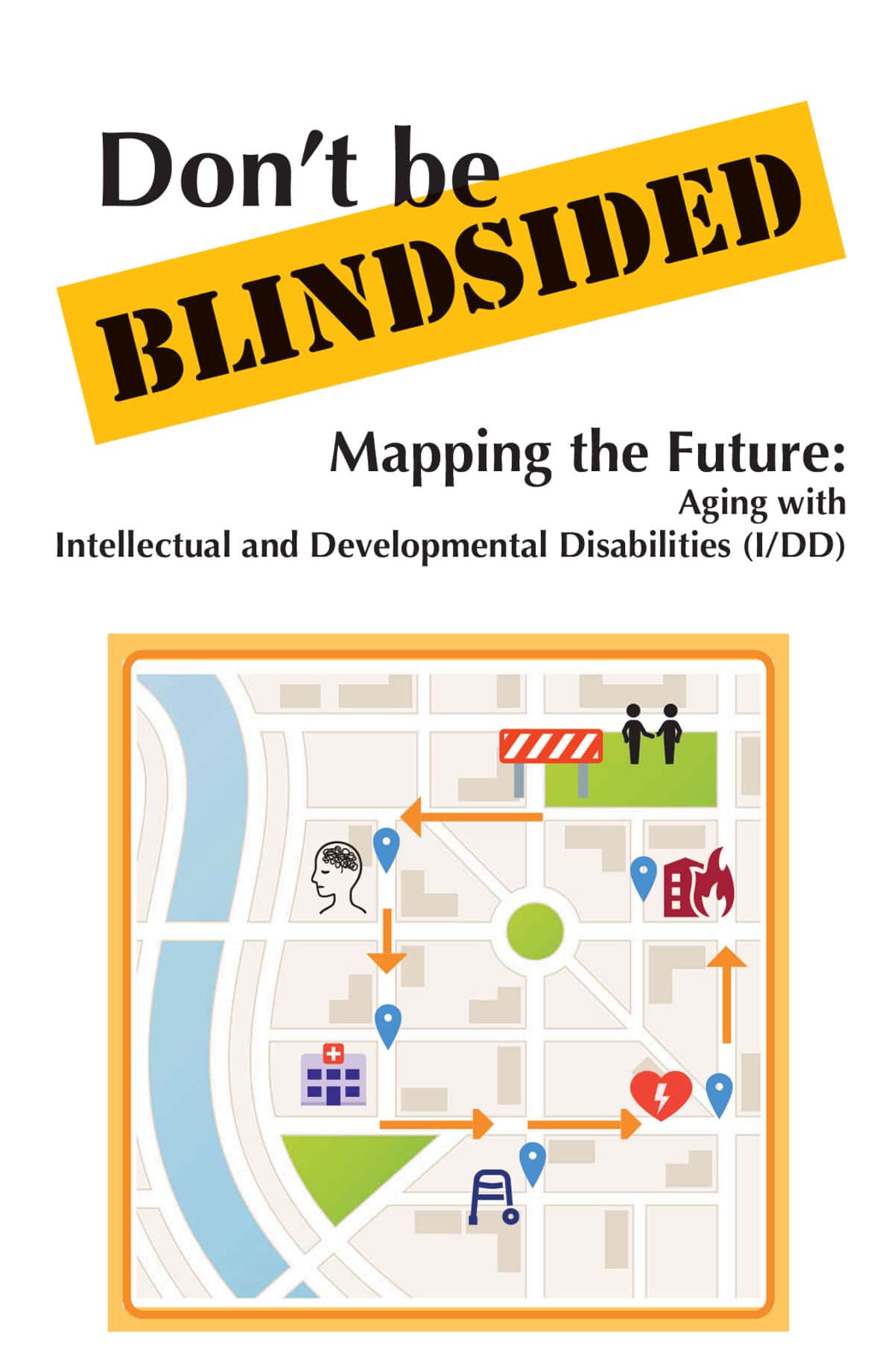
Mapping the Future: Aging with Intellectual and Developmental Disabilities
A planning guide for aging caregivers and families preparing for the future needs of an adult with an intellectual or developmental disability.
-
Family Caregiver Support Program: Eligibility & Services
See who may qualify for Family Caregiver Support Program services, including respite and supplemental support, and where to start.

-
Find Aging Services with the Service Partner Directory
The Service Partner Directory connects residents and caregivers with organizations providing Home and Community Care Block Grant-funded and related aging services. Use it to find local help with meals, transportation, in-home assistance, caregiver support, health promotion, senior centers and other community-based services. The directory itself documents that mix of HCCBG…
-
Budget Breakdown: At Capacity – The Future of Ombudsman Services
The first of three supplemental pieces to my Fiscal Year 2026-2027 Central Pines Regional Council Recommended Budget Message. These supplemental posts allow a deeper dive into three of the most pressing issues facing the organization over the next several years. Each piece will end with recommendations to the Board on…

-
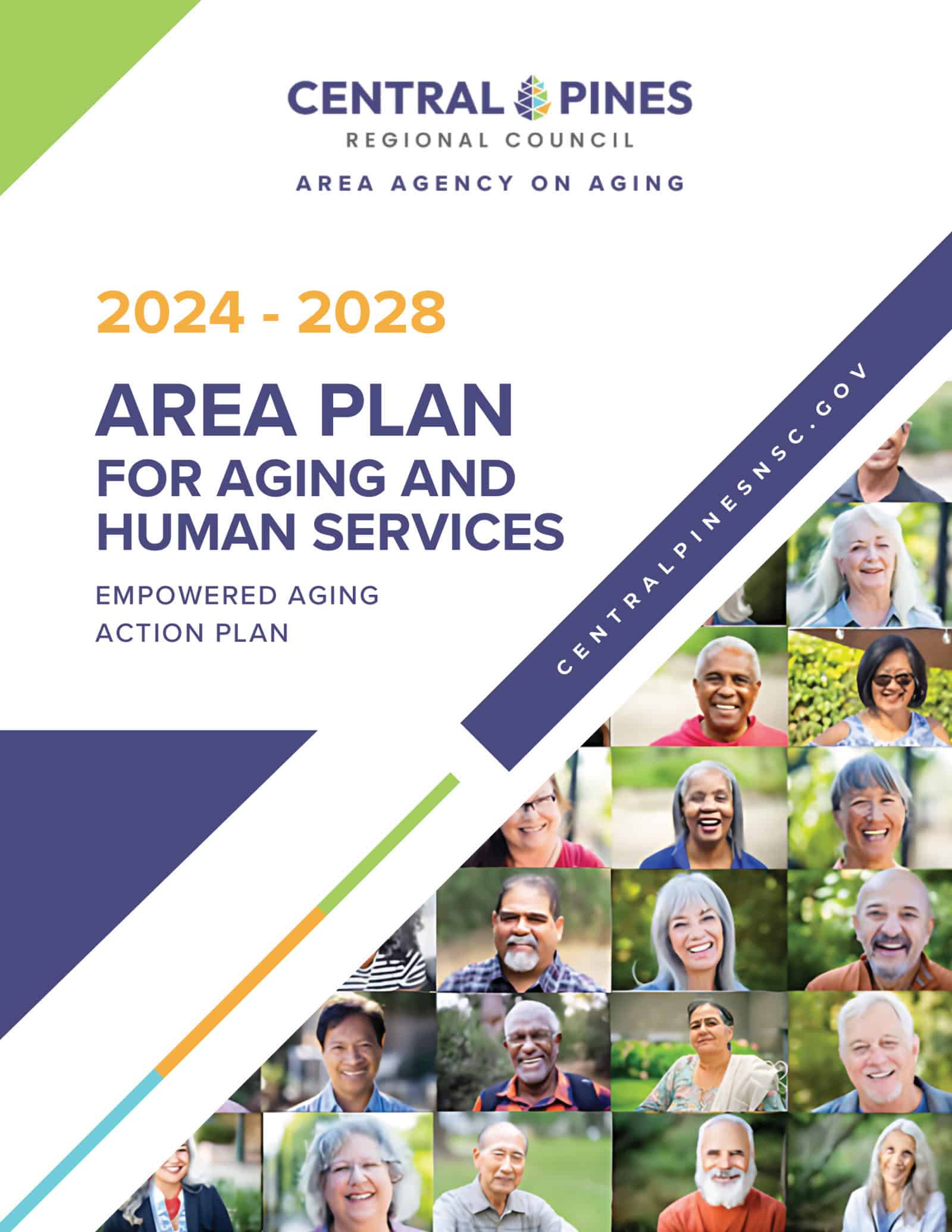
Planning for Aging Across the Region: 2024–2028 Area Plan
Central Pines Area Agency on Aging’s four-year plan sets regional priorities for supporting older adults, adults with disabilities and family caregivers through coordinated services, advocacy and community partnerships.
-
October is Residents’ Rights Month
Across the state, residents of nursing homes and adult care home facilities, along with family members, Long Term Care Ombudsmen, volunteers, facility staff, and others, will honor the individual rights of long term care residents by celebrating Residents’ Rights Month in October. This year’s theme – Amplify Our Voices –…
-
Caregiver Community Event Empowers & Supports Over 500 Caregivers
On Thursday, September 7th, the Duke Caregiver Community Event provided a beacon of hope and resources for more than 500 family caregivers. Hosted by a coalition of organizations including Duke Health, Central Pines Regional Council, Alzheimer's Association of Eastern North Carolina, and the Dementia Alliance of North Carolina, the event…
-
Central Pines’ Area Agency on Aging Receives NADO Award for COVID-19 Outreach & Education Initiative
Central Pines Regional Council’s Area Agency on Aging recognized the importance of COVID-19 vaccinations for maintaining the health of older adults in their seven-county North Carolina region. In response, it developed the COVID-19 Outreach and Education Initiative to increase access to and education of COVID-19 vaccines for those who are…
-
Area Agency on Aging: Service Partner Directory
Use this resource to find the Area Agency on Aging’s service partner contact information and a list of each member’s respective Home and Community Care Block Grant (HCCBG) funded and related services. Directory (PDF, 1.29 MB)
-
Area Agency on Aging Resource Directory
Sed ut perspiciatis unde omnis iste natus error sit voluptatem accusantium doloremque laudantium, totam rem aperiam, eaque ipsa quae ab illo inventore veritatis et quasi architecto beatae vitae dicta sunt explicabo. Nemo enim ipsam voluptatem quia voluptas sit aspernatur aut odit aut fugit, sed quia consequuntur magni dolores eos qui…
Contact Us
Not sure which service, program or provider is right for you? Our Area Agency on Aging team can help you understand your options and connect with resources in your community.
-

Jennifer Link
Family Caregiver Support Program Coordinator
-
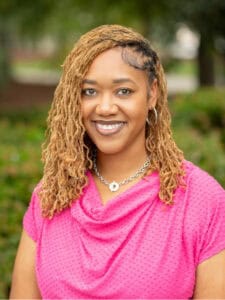
Jasmine Wilson
Aging Program Coordinator
-
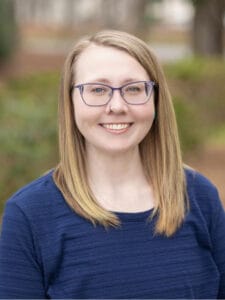
Hannah Caswell
Administrative Support Specialist/Aging Program Associate
Related Services & Programs
-

Area Agency on Aging
Central Pines Area Agency on Aging connects older adults, adults with disabilities and family caregivers across seven central North Carolina counties with aging services, resources, advocacy and support.
-

Aging Well
Find transportation, meals, senior centers, health programs, volunteer and employment opportunities, and community resources that support healthy, independent aging.
-

Long-Term Care
Find advocacy, information and practical help for residents of nursing homes, adult care homes and family care homes, and for the families and caregivers who support them.
-
Homelessness
Connect people experiencing homelessness with street outreach, health care, local services and regional initiatives designed to improve access, stability and long-term outcomes.
-

Home Repair
Find home repair, rehabilitation and accessibility assistance that can help eligible homeowners address serious safety issues, remain in their homes and protect long-term housing stability.