
Long-Term Care
Find advocacy, information and practical help for residents of nursing homes, adult care homes and family care homes, and for the families and caregivers who support them.

Program Details
Moving into or living in a long-term care facility can raise difficult questions about care, resident rights, costs, complaints and what happens when needs change.
Central Pines’ Long-Term Care Ombudsman Program provides trained advocates for residents of nursing homes, adult care homes and family care homes. Ombudsmen help residents and families understand their rights, work through concerns about quality of care or quality of life, and navigate problems with facilities through information, education, advocacy and mediation.
You do not need to wait until a problem becomes a crisis. An Ombudsman can also answer questions about the long-term care system, explain options and help you identify the right next step.
Services At a Glance
Explore The Details
Program Services & Information
Program Services & Information
Advocacy & Resident Rights
Long-term care residents have the right to be treated with dignity, receive appropriate care and participate in decisions that affect their lives. Central Pines Ombudsmen help residents and families understand those rights and address concerns when they arise.
Long-Term Care Ombudsman Support
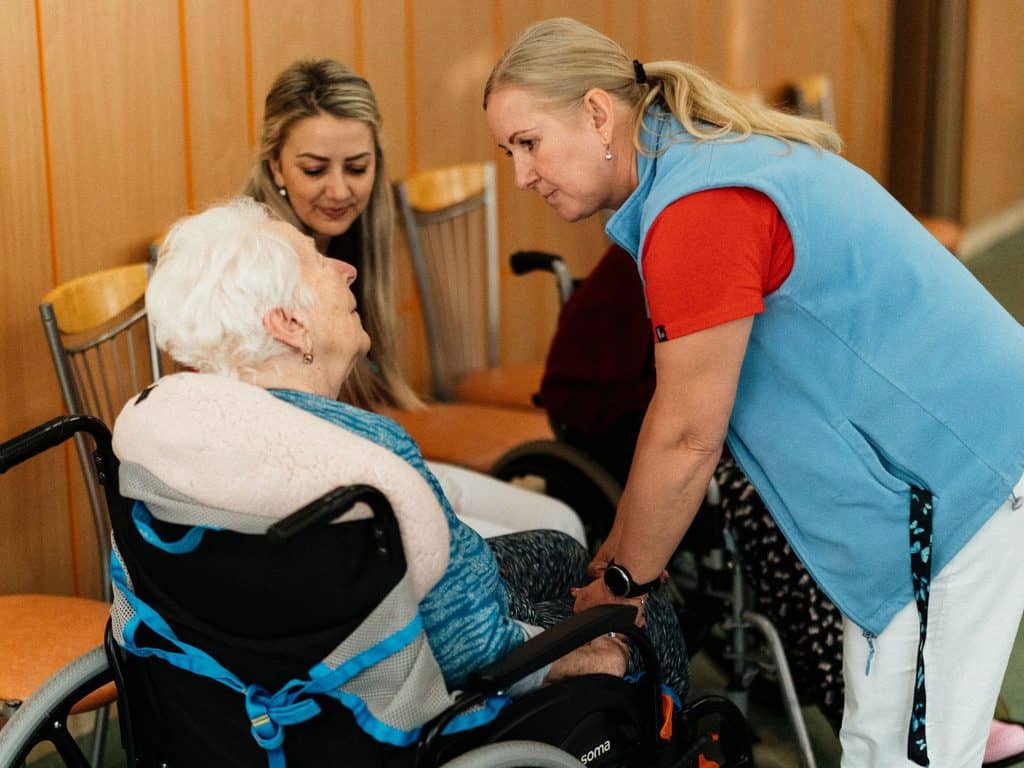
An Ombudsman is an independent advocate for people living in long-term care facilities. Central Pines Ombudsmen work with residents and families to explain resident rights, address concerns with care or services, and help work through problems with a facility.
They can also help with questions about choosing a facility, care planning, Medicare or Medicaid, transfers and discharges, and other decisions that come up while navigating long-term care.
Find Your Regional Ombudsman
Find Your Regional Ombudsman
Regional Ombudsmen serve different counties and facility types. Use the table below to find the person who covers your situation. If you are not sure who to call, use the program’s toll-free line and the team will help route you.
- Not sure who serves you? Call 800-310-9777
- Sending confidential documents? Use the secure fax at 919-998-8101
- Need to discuss private resident information? Call rather than email whenever possible.
| Ombudsman | Service Area | Contact |
|---|---|---|
| Autumn Cox | Wake County adult care homes | 919-558-2719 · acox@centralpinesnc.gov |
| Carolyn Pennington | Johnston and Moore County nursing and adult care homes | 919-558-2703 · cpennington@centralpinesnc.gov |
| Angela Woodard | Wake and Lee County nursing homes | 919-558-9404 · awoodard@centralpinesnc.gov |
| Tracy Burton | Durham County nursing and adult care homes | 919-558-2714 · tburton@centralpinesnc.gov |
| Charlene Purkett | Chatham and Orange County nursing and adult care homes; Lee County adult care homes | 919-558-9401 · cpurkett@centralpinesnc.gov |
Privacy note: Please do not send private or confidential resident information through unsecured email. If you have confidential information to discuss, leave a phone message and an Ombudsman can speak with you directly.
Additional Long-Term Care Information
Additional Long-Term Care Information
- NC Long-Term Care Ombudsman Program
- Medicare Care Compare — Find and Compare Nursing Homes
- NC Adult Care Facility Inspections, Ratings and Penalties
Medicare’s Care Compare includes nursing-home ratings, inspections, staffing and quality measures, while North Carolina separately publishes inspection and rating information for adult care and family care homes.
Resident Rights & Quality of Care
Residents of North Carolina nursing homes and adult care homes have rights protected by state and federal law. Those protections include dignity and privacy, appropriate care and services, freedom from abuse and exploitation, and protections related to transfer and discharge.
An Ombudsman can help a resident or family understand those rights and determine what steps may be appropriate when a concern arises.
Safety & Complaints
Concerns about abuse, neglect or poor care should be taken seriously. Different agencies may be responsible depending on where the concern occurred and what happened.

Abuse, Neglect & Exploitation
Mistreatment can include physical or sexual abuse, neglect, self-neglect, financial exploitation, emotional abuse or abandonment. Warning signs may include unexplained injuries, fear or withdrawal, poor hygiene, unexplained weight loss, pressure around finances or sudden changes in a vulnerable adult’s circumstances.
If you suspect abuse, neglect or exploitation, speak up. An Ombudsman can help residents and families understand their options, but regulatory agencies and Adult Protective Services are responsible for formal investigations.
How to Report Other Abuse or Neglect
How to Report Other Abuse or Neglect
- Adult Protective Services — For concerns involving abuse, neglect or exploitation of a disabled or vulnerable adult.
- Find Your Local Department of Social Services — County DSS agencies receive and evaluate Adult Protective Services reports.
- Contact local law enforcement when appropriate, particularly when there is an immediate safety concern.
Paying for Care
Long-term care can be expensive, and the way care is paid for depends on the type of facility, medical need, financial eligibility and insurance coverage.

Paying for Long-Term Care
Medicare may cover short-term skilled nursing facility care when eligibility requirements are met, but it does not generally pay for long-term custodial care. Medicare Part A currently limits skilled nursing facility coverage to 100 days per benefit period when coverage criteria are satisfied.
NC Medicaid may cover nursing facility services for people who meet both financial and medical eligibility requirements. County Departments of Social Services determine financial eligibility, while NC Medicaid determines whether nursing-facility level of care requirements are met.
North Carolina also offers State-County Special Assistance to help eligible residents pay for adult care homes, while programs such as CAP/DA and PACE may allow qualifying people to receive nursing-level care while remaining in a community setting.
Transfers, Discharges & Changes in Care
A hospital stay, change in medical needs or facility decision can create uncertainty about where a resident will live and what happens next.

Care Transitions & Discharges
Residents of nursing homes and adult care homes have protections related to transfer and discharge. If a facility is proposing an involuntary discharge, residents and families should understand the reason, the notice they received and any appeal rights before assuming the decision is final.
Transfers between hospitals, long-term care facilities and other settings can also create gaps in information. Ask questions, confirm medications and care needs, and make sure the receiving provider understands the resident’s medical history, preferences and current care plan.
North Carolina also offers State-County Special Assistance to help eligible residents pay for adult care homes, while programs such as CAP/DA and PACE may allow qualifying people to receive nursing-level care while remaining in a community setting.
Transfer & Discharge Resources
Transfer & Discharge Resources
NC Medicaid’s Hearing Office handles appeals involving transfers and discharges from both skilled nursing facilities and adult care homes.
Volunteer Advocacy
Community Advisory Committees
Community Advisory Committee volunteers help bring an independent community presence into nursing homes and adult care homes.
Volunteers are appointed locally, trained by Regional Long-Term Care Ombudsmen and certified through the state Ombudsman program. They visit facilities, talk with residents, promote resident rights and report observations that can help improve quality of care.
Community Advisory Committee Information
Community Advisory Committee Information
Frequently Asked Questions
Answers to common questions about resident rights, Ombudsman services and navigating long-term care.
What does a Long-Term Care Ombudsman do?
What does a Long-Term Care Ombudsman do?
Ombudsmen advocate for residents of nursing homes, adult care homes and family care homes. They answer questions, explain resident rights, help residents and families work through complaints and concerns, and provide information about the long-term care system.
Who can contact an Ombudsman?
Who can contact an Ombudsman?
Residents, family members and others concerned about a resident’s care can contact the program. The Ombudsman’s role centers on the resident’s rights, choices and preferences.
Is an Ombudsman the same as a state regulator?
Is an Ombudsman the same as a state regulator?
No. Ombudsmen advocate for residents and help resolve concerns. Regulatory agencies such as the NC Division of Health Service Regulation investigate facility complaints and enforce licensing and regulatory requirements.
What is the difference between a nursing home and an adult care home?
What is the difference between a nursing home and an adult care home?
Nursing facilities provide daily licensed nursing care for people who cannot receive all of the care they need at home. Adult care homes, often called assisted living facilities, generally provide 24-hour supervision and help with activities of daily living rather than the same level of medical care provided in a nursing facility.
Can an Ombudsman help me choose a facility?
Can an Ombudsman help me choose a facility?
Yes. North Carolina’s Ombudsman Program can explain long-term care options, provide information about facilities and offer guidance about what to consider when selecting care.
Where can I compare nursing homes?
Where can I compare nursing homes?
Medicare Care Compare provides ratings, inspection information, staffing information and quality measures for Medicare-certified nursing homes.
Does Medicare pay for long-term nursing-home care?
Does Medicare pay for long-term nursing-home care?
Medicare generally does not pay for long-term custodial care. Part A may cover short-term skilled nursing facility care when specific eligibility requirements are met.
What if a facility says a resident must leave?
What if a facility says a resident must leave?
Contact an Ombudsman as soon as possible. Residents have protections related to transfer and discharge, and formal appeal processes are available for certain nursing-home and adult-care-home discharges.
Where do I report suspected abuse or neglect?
Where do I report suspected abuse or neglect?
Concerns about care or services in a regulated facility can be reported to NC DHSR Complaint Intake. Abuse, neglect or exploitation involving a vulnerable adult in the community can be reported to the local Department of Social Services through Adult Protective Services.
Resources & Guides
Explore guides, reports and practical information from Central Pines to help residents and families understand long-term care, resident rights and where to turn when questions or concerns arise.
No posts found.
Contact Us
Have a question about resident rights, quality of care, a facility concern or a transfer or discharge? Our Regional Long-Term Care Ombudsmen can help you understand your options and determine the right next step.
Ombudsman Program Toll-Free Line: 800-310-9777
Secure Fax: 919-998-8101
Regional Ombudsmen
-
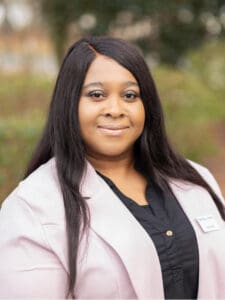
Tracy Burton
Regional Ombudsman, Durham County Nursing/Adult Care Homes
-
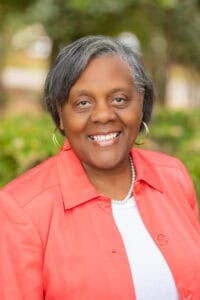
Charlene Purkett
Regional Long-Term Care Ombudsman, Orange & Chatham County
-

Carolyn Pennington
Regional Long-Term Care Ombudsman, Johnston & Moore County Nursing/Adult Care Homes
-
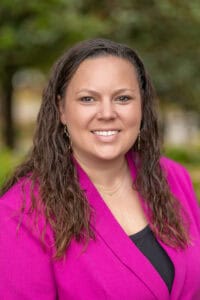
Autumn Cox
Regional Ombudsman, Wake County Adult Care Homes
-

Angela Woodard
Regional Ombudsman-Wake and Lee County Nursing Homes
Related Services & Programs
-

Area Agency on Aging
Central Pines Area Agency on Aging connects older adults, adults with disabilities and family caregivers across seven central North Carolina counties with aging services, resources, advocacy and support.
-

Aging Well
Find transportation, meals, senior centers, health programs, volunteer and employment opportunities, and community resources that support healthy, independent aging.
-

Caregiving
Find respite, caregiver education, support groups, dementia caregiving resources, grandfamily support and local Family Caregiver Support specialists in central North Carolina.
-

Homelessness
Connect people experiencing homelessness with street outreach, health care, local services and regional initiatives designed to improve access, stability and long-term outcomes.
-

Home Repair
Find home repair, rehabilitation and accessibility assistance that can help eligible homeowners address serious safety issues, remain in their homes and protect long-term housing stability.