Communities can prepare more effectively for future disasters when they understand where risks overlap and have practical projects ready to move forward.
Through North Carolina’s Regions Innovating for Strong Economies and Environment (RISE) program, Central Pines worked with state, regional and local partners to assess vulnerabilities across Chatham, Johnston, Lee and Moore counties and identify projects that could strengthen resilience across the four-county area.
The process paired technical analysis with local knowledge. Central Pines provided regional guidance, the North Carolina Rural Center supported local facilitation and AECOM provided technical assistance, while a stakeholder partnership helped make sure the work reflected local priorities.
NC DEQ maintains the authoritative project record, including the complete portfolio, vulnerability assessment and statewide RISE program information.
RISE’s Two-Phase Approach
RISE used a two-part process designed to move communities from understanding risk toward implementation.
Moving Priority Projects Toward Implementation
The portfolio was designed to be more than a planning exercise. Each priority includes an implementation pathway covering potential partners, funding opportunities, staffing needs, likely challenges and other steps required to move the project forward.
That approach has already helped advance portions of the portfolio.
CRPC Awarded $65,000 to Advance Two Priority Projects
The Duke Energy Foundation awarded Central Pines $65,000 through its Resilience Accelerator Grant Program to begin advancing two projects identified through RISE:
- River warning and emergency response: Central Pines would convene partners around a system to help emergency responders locate people needing assistance along the Haw River.
- Backup power for critical facilities: The work would help emergency-management staff evaluate generator needs, support capital planning for permanent backup power and scope at least one potential microgrid location.
This illustrates the larger purpose of the RISE portfolio: turn regional analysis into projects communities and partners can continue developing, funding and implementing.
Seven Priorities for Regional Resilience
Seven Priorities for Regional Resilience
The resulting portfolio addresses different types of risk, but each project is designed around a practical path toward implementation.
Develop a River Warning System
Create a coordinated warning, location and education system that can improve river safety and emergency response. The Haw River between the Alamance-Chatham boundary and Jordan Lake was identified as a potential pilot location.
Plan and Prioritize Stream Restoration
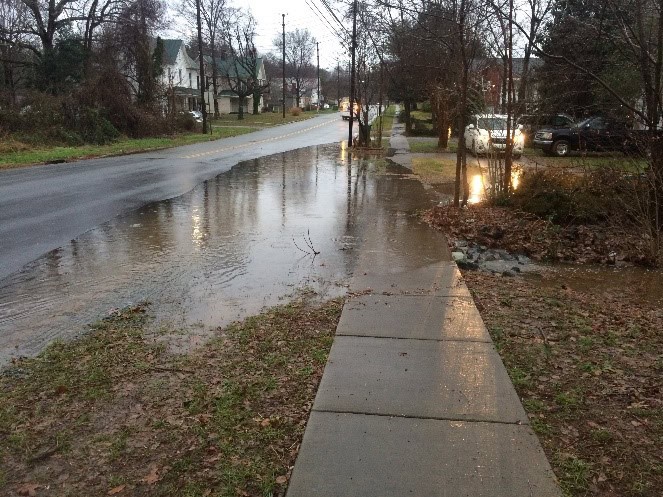
Identify and prioritize stream-restoration projects that can address erosion, debris buildup, flooding and related impacts across watersheds.
Install Backup and Redundant Power Sources
Evaluate backup-power needs at critical facilities so communities can better maintain essential operations during outages and emergencies.
Establish a Locally Administered Repetitive Loss Program
Develop a local approach for addressing properties that experience repeated flood losses and strengthening long-term flood-risk reduction.
Develop a Privately Owned Dam Inventory and Dam Ownership Guidebook
Improve understanding of privately owned dams and provide owners with practical guidance for maintenance, safety and risk reduction.
Develop Regional Guidance for Coordinated Stormwater Infrastructure Improvements
Help communities coordinate stormwater investments and infrastructure improvements across jurisdictional boundaries.
Develop a Heat Wave Response Protocol Template
Create a reusable framework communities can adapt when planning for extreme heat and protecting vulnerable residents.
These seven projects were selected from a larger pool through stakeholder review, public input and an evaluation of climate and social vulnerabilities, funding potential and expected return on investment.
Building on Regional Resilience Work
Building on Regional Resilience Work
The RISE assessment complements earlier resilience planning in the Triangle. Durham, Orange and Wake counties were addressed through the Triangle Regional Resilience Assessment, while RISE extended this regional approach to Chatham, Johnston, Lee and Moore counties. CPRC’s current site identifies the two assessments together as complementary roadmaps for regional resilience.
Planning for Risk and Resilience in Your Community?
Central Pines helps communities understand regional risks, coordinate across jurisdictions and connect planning with practical steps toward implementation.