
Transportation Planning
Planning across boundaries to connect long-range goals, local priorities and future transportation investments.
Program Details
Transportation does not stop at a city or county line. Roads, transit systems, trails and other connections depend on decisions made across communities and over many years.
Central Pines helps local governments and regional transportation organizations coordinate those decisions. Our work includes long-range planning, project prioritization, growth and travel forecasting, technical analysis and regional facilitation.
We support joint planning between Triangle West Transportation Planning Organization and the Capital Area Metropolitan Planning Organization, and administer the Central Pines Rural Planning Organization for participating rural communities.
For Destination 2055, the Triangle’s adopted Metropolitan Transportation Plan, Central Pines supported land-use and revenue forecasting, performance measurement and project coordination.
Services At a Glance

Explore The Details
Program Services & Information
Program Services & Information
Planning Across the Region
Transportation planning involves multiple organizations, funding programs and geographic boundaries. Central Pines helps connect that work so local priorities can be considered within a larger regional transportation system.
Regional Transportation Planning
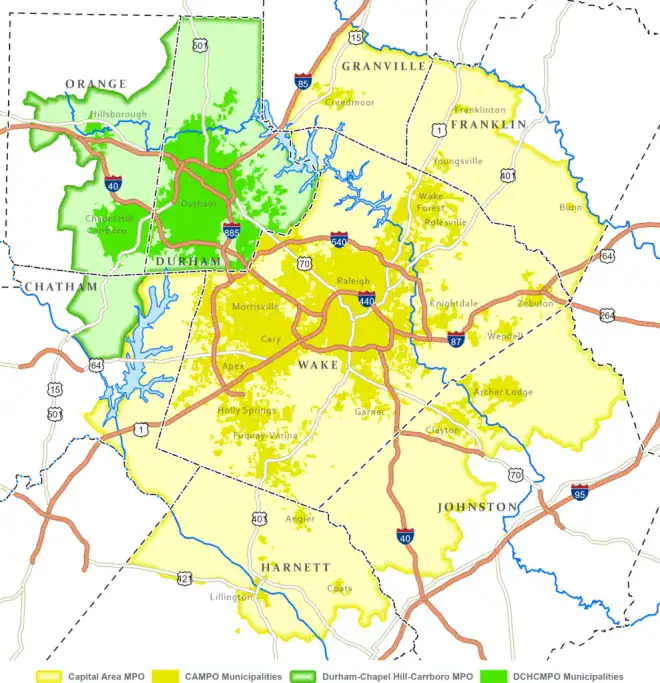
Different transportation planning organizations serve different parts of the Central Pines region. Central Pines’ most direct roles are supporting metropolitan planning across the Triangle and administering rural transportation planning through the Central Pines RPO.
| Organization | Primary Area | Central Pines Role |
|---|---|---|
| Triangle West TPO | Durham County and portions of Orange and Chatham counties | Housed at Central Pines; regional planning and coordination |
| Capital Area MPO | Wake County and portions of Chatham, Franklin, Granville, Johnston and Harnett counties | Technical support and joint regional planning |
| Central Pines RPO | Rural portions of Chatham, Lee, Moore and Orange counties | Administered by Central Pines |
The broader Central Pines region also overlaps smaller portions of the Sandhills MPO, Fayetteville Area MPO, Burlington-Graham MPO and Upper Coastal Plain RPO
Find the Regional Planning Organization You Need
Find the Regional Planning Organization You Need
Metropolitan Transportation Planning
Metropolitan Planning Organizations and Transportation Planning Organizations coordinate long-range transportation plans and funding decisions in urbanized areas.
Central Pines supports Triangle West TPO and CAMPO, particularly when a transportation issue crosses their planning boundaries or benefits from one regional approach. Current work includes long-range transportation planning, socioeconomic forecasting, transportation modeling, growth allocation, air-quality conformity and facilitation of joint board discussions.
That partnership is especially important because the two organizations share major travel markets, transportation corridors and growth pressures across the Triangle.
Learn More about Triangle West TPO
Learn More about Triangle West TPO
Triangle West TPO is responsible for transportation planning in Durham County and portions of Orange and Chatham counties. Its work includes long-range plans, transportation improvement programs, multimodal planning and project funding decisions. The organization is housed at Central Pines.
Learn More about Capital Area MPO
Learn More about Capital Area MPO
CAMPO serves Wake County and portions of Chatham, Franklin, Granville, Harnett and Johnston counties and works with Triangle West TPO and Central Pines on transportation issues affecting the larger Triangle region.
Rural Transportation Planning
The Central Pines Rural Planning Organization, or CPRPO, coordinates transportation planning for rural communities in Chatham, Lee, Moore and Orange counties.
Central Pines administers the organization on behalf of participating local governments. CPRPO develops and coordinates transportation plans, helps identify project priorities, advises NCDOT on rural transportation needs and creates opportunities for local governments and the public to participate in transportation decisions.
Its work includes Comprehensive Transportation Plans, bicycle and pedestrian planning, project prioritization and State Transportation Improvement Program coordination.
Learn More about CPRPO Projects
Learn More about CPRPO Projects
Current Project Prioritization
Follow CPRPO’s process for identifying, evaluating and ranking transportation projects for potential state funding.
How CPRPO Decisions Are Made
The Rural Transportation Advisory Committee provides policy direction, while a technical committee made up of local-government and transportation staff provides technical recommendations. Central Pines prepares materials, coordinates meetings and administers the planning program.
Current meetings, agendas, public-comment opportunities and project materials should remain on the CPRPO website rather than being duplicated here.
From Long-Range Vision to Transportation Investment
Transportation projects move through several layers of planning before they are designed or built. Central Pines helps partners connect long-range needs, local priorities, analysis and funding processes.
Long-Range Plans & Project Priorities
Transportation plans identify what the region may need years or decades from now. Prioritization and funding processes determine which projects can move closer to implementation.
Understanding the Major Plans
| Plan | What It Does |
|---|---|
| Metropolitan Transportation Plan (MTP) | Sets a long-range, multimodal transportation vision and identifies major future projects for a metropolitan area. |
| Comprehensive Transportation Plan (CTP) | Identifies long-term highway, transit, bicycle, pedestrian and other transportation needs for communities and regions. |
| Transportation Improvement Program (TIP/MTIP) | Identifies funded or programmed transportation projects within a metropolitan planning area. |
| State Transportation Improvement Program (STIP) | NCDOT’s statewide 10-year schedule of transportation projects and funding. |
NCDOT describes CTPs as needs-based plans looking roughly 25–30 years ahead, while the STIP identifies statewide projects scheduled and funded over a 10-year period.
Destination 2055
Destination 2055 is the currently adopted Metropolitan Transportation Plan for the Triangle region, developed jointly by Triangle West TPO and CAMPO.
The plan identifies roadway, transit, rail, bicycle, pedestrian and other transportation investments through 2055. It was adopted by the CAMPO Executive Board on February 18, 2026 and the Triangle West TPO Board on February 24, 2026.
Central Pines supported the process through forecasting, modeling, performance analysis, project coordination and regional facilitation.
Project Prioritization & Funding
A project appearing in a long-range plan does not mean construction is automatically funded.
NCDOT uses Strategic Prioritization to evaluate major transportation projects using data-driven criteria and local input. Results from that process help shape the State Transportation Improvement Program. MPOs, TPOs, RPOs and NCDOT divisions all participate in identifying and prioritizing projects.
Data for Better Transportation Decisions
Forecasting helps planners understand not just where the region is today, but how changes in population, employment, development and travel may affect the transportation system decades from now.
Transportation Modeling & Forecasting
Central Pines uses transportation modeling, socioeconomic forecasts, GIS and growth-allocation analysis to help partners understand future travel needs and compare different transportation and development scenarios.
This work connects closely with land-use planning. CommunityViz estimates how future population, households and employment may be distributed based on adopted plans, development constraints and local assumptions. Those growth forecasts then become inputs to regional transportation models.
Intelligent Transportation Systems
Transportation planning also includes technology that helps the existing system operate more effectively.
Intelligent Transportation Systems, or ITS, can include coordinated traffic signals, ramp meters, variable-message signs and emerging vehicle technologies. Central Pines administers a Regional ITS Working Group that coordinates implementation with local governments, transit agencies and NCDOT.
Technical Support for Local and Regional Needs
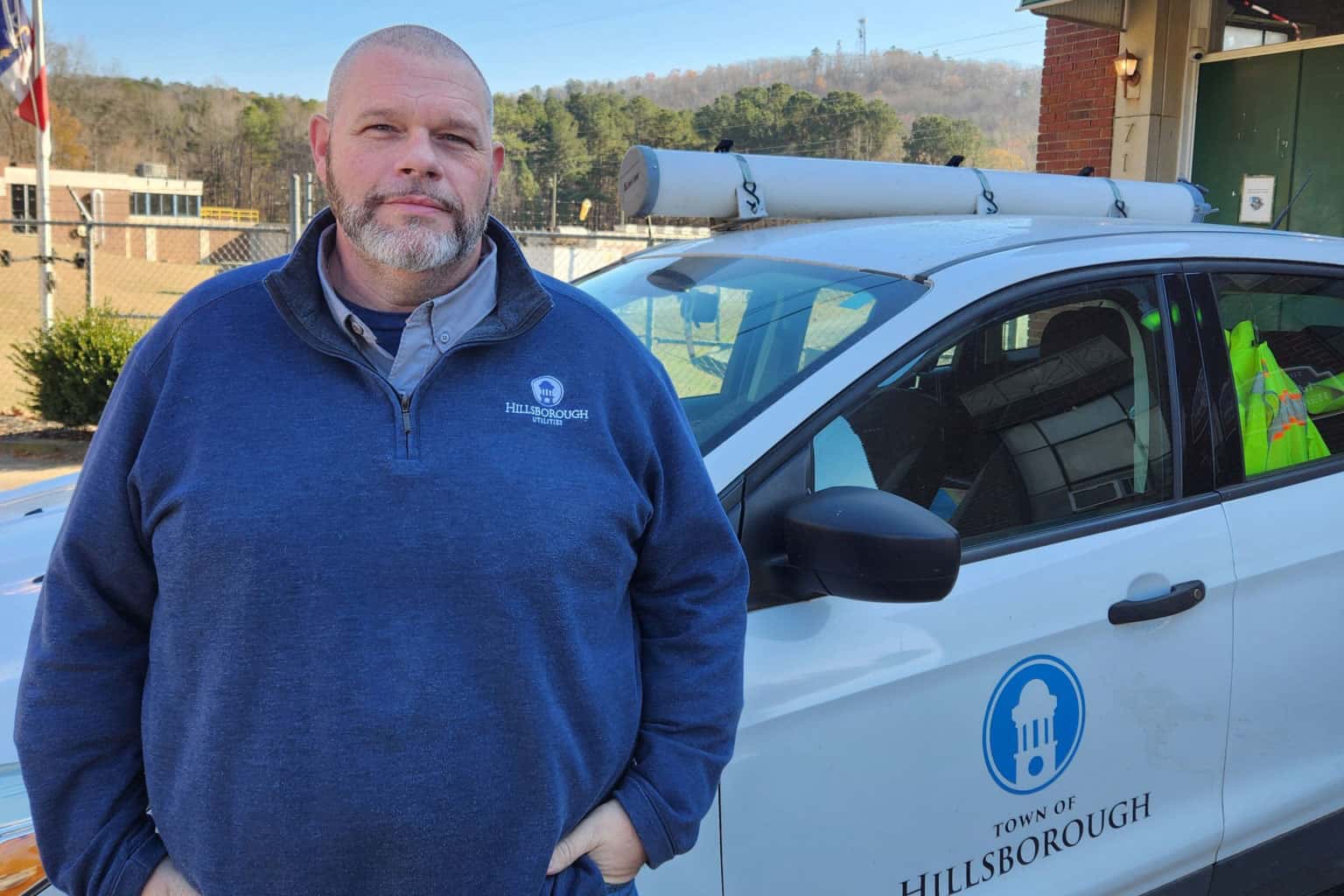
Transportation Technical Assistance
Central Pines works directly with local governments and transportation partners on community-specific planning needs, analysis and coordination.
Support can include transportation and growth analysis, mapping, forecasting, plan development, project coordination and regional facilitation.
If your question crosses jurisdictions, or you are unsure which planning organization or process applies, our team can help identify the right starting point.
Frequently Asked Questions
Understand the organizations, plans and processes behind regional transportation decisions.
What is the difference between an MPO, TPO and RPO?
What is the difference between an MPO, TPO and RPO?
MPOs and TPOs coordinate federally required transportation planning in metropolitan areas. An RPO performs a similar regional coordination role for rural communities and advises NCDOT on rural transportation needs and priorities.
Destination 2055 is the adopted long-range Metropolitan Transportation Plan jointly developed by CAMPO and Triangle West TPO. It identifies transportation projects and strategies through 2055 across roadway, transit, rail, bicycle and pedestrian modes.
What is Destination 2055?
What is Destination 2055?
Destination 2055 is the adopted long-range Metropolitan Transportation Plan jointly developed by CAMPO and Triangle West TPO. It identifies transportation projects and strategies through 2055 across roadway, transit, rail, bicycle and pedestrian modes.
What is the difference between an MTP and a CTP?
What is the difference between an MTP and a CTP?
An MTP is the federally required long-range transportation plan for a metropolitan planning organization. A CTP is a long-range, needs-based multimodal plan developed for communities and regions with NCDOT. Both look well into the future, but they operate within different planning requirements and processes.
What is the STIP?
What is the STIP?
The State Transportation Improvement Program is NCDOT’s 10-year plan identifying funded transportation projects and schedules throughout North Carolina. It is updated approximately every two years.
How does a transportation project get prioritized?
How does a transportation project get prioritized?
Potential projects can be submitted through NCDOT divisions, MPOs/TPOs and RPOs. NCDOT’s Strategic Prioritization process evaluates projects using statewide criteria and local input. The results help determine which projects move into future transportation funding programs.
Does Central Pines decide which transportation projects get built?
Does Central Pines decide which transportation projects get built?
Not by itself. Transportation planning and funding involve local governments, MPOs/TPOs, RPOs, NCDOT, state and federal funding programs and public input. Central Pines provides analysis, administration, facilitation and technical support within those processes.
Why is land use part of transportation planning?
Why is land use part of transportation planning?
Where homes, jobs and services are located affects where and how people travel. Central Pines uses growth and land-use forecasts as inputs to regional transportation models so transportation plans can reflect how communities are expected to change.
How can I participate in transportation planning?
How can I participate in transportation planning?
Triangle West TPO, CAMPO and Central Pines RPO provide public meetings, hearings and comment opportunities as plans and project priorities are developed.
Can a local government request transportation planning help from Central Pines?
Can a local government request transportation planning help from Central Pines?
Yes. Central Pines provides technical assistance for both regional and community-specific planning needs.
Resources & Guides
Explore long-range plans, policy guidance, technical reports and other resources developed by Central Pines and regional transportation partners.
-
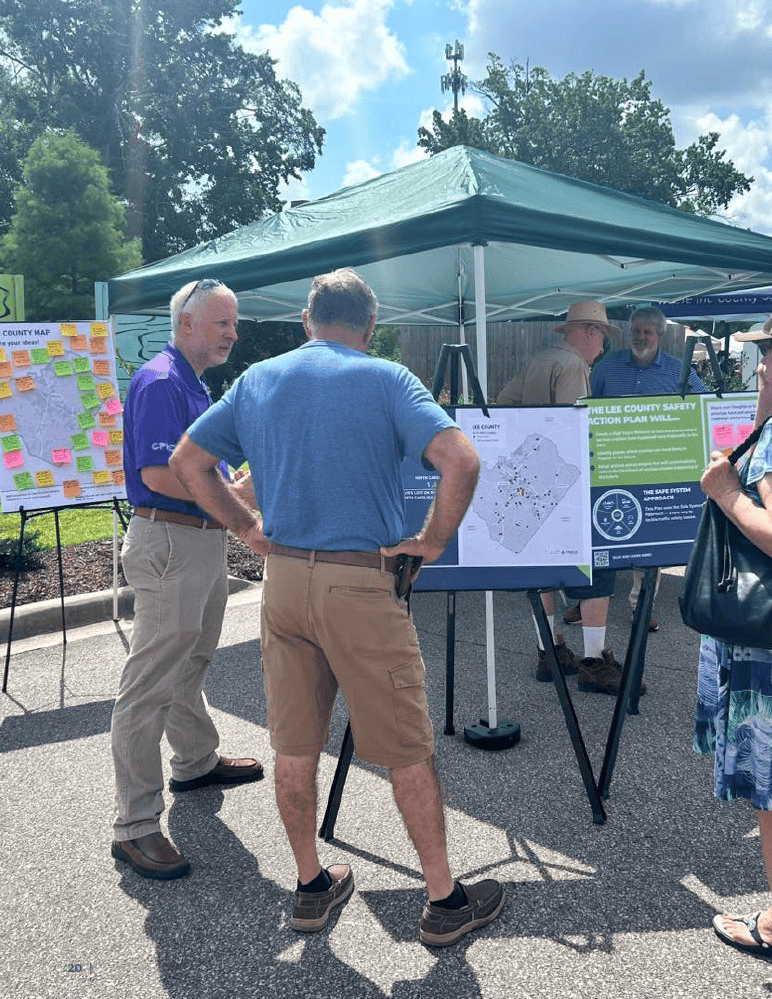
Central Pines Receives National Award for Safe Streets Work
Central Pines Regional Council received a 2026 NADO Excellence in Regional Transportation Award for its Safe Streets for All in the Triangle project, which helps communities plan for safer roads.
-
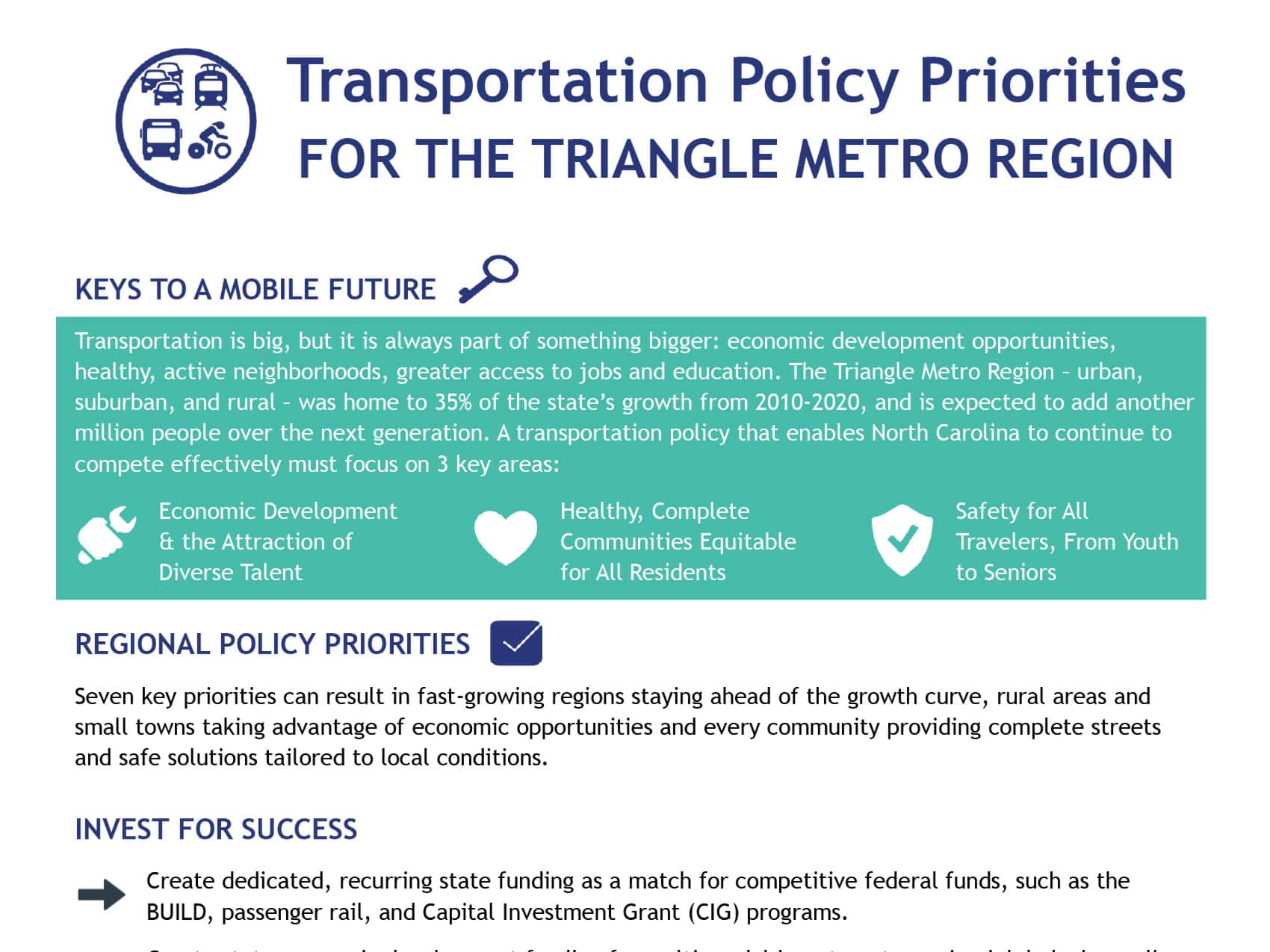
Transportation Policy Priorities for the Triangle Metro Region
Seven regional policy priorities developed by CAMPO and Triangle West TPO to support transportation investment, safety, economic opportunity and complete communities across the Triangle.
-
Destination 2055 Metropolitan Transportation Plan
Explore the Triangle region’s adopted long-range transportation plan, including future roadway, transit, rail, bicycle and pedestrian investments through 2055.
-
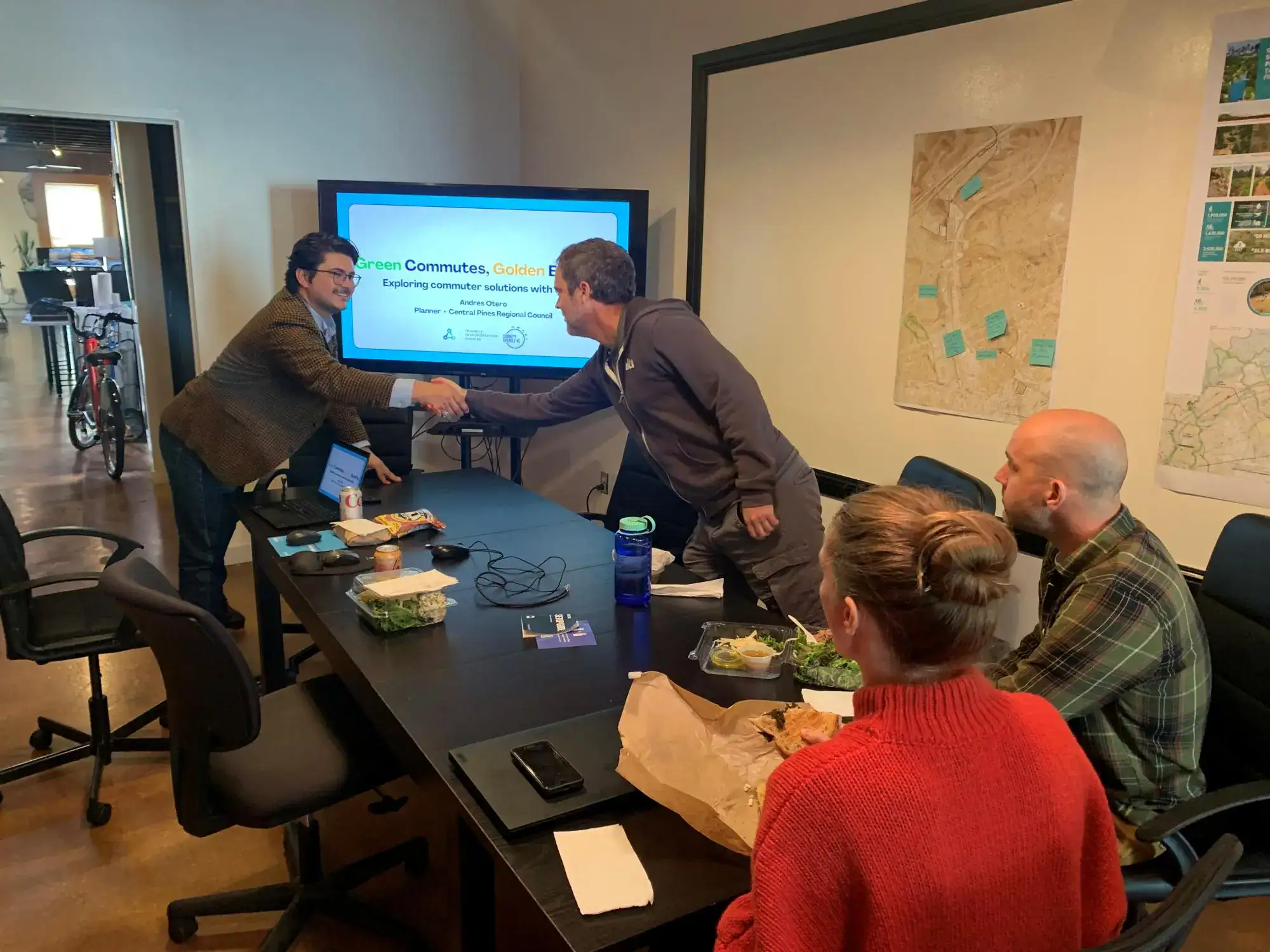
Commute Friendly NC Welcomes Two New Triangle Employers Promoting Sustainable Commuting
Commute Friendly NC welcomes Alta Planning + Design and Toole Design Group as new recognized employers. Both Triangle firms offer commuter benefits that support sustainable travel and employee well-being.
-
Triangle Region ITS Deployment Roadmap
A regional roadmap for coordinating transportation technologies that improve traffic operations, traveler information and transportation-system management.
-
Durham Ride & Drive Events
Curious about Electric Vehicles (EVs)? Want to test drive one? Interested in the latest clean energy initiatives in the Triangle? Join us this spring for two exciting Ride & Drive events! Triangle Clean Cities is partnering with the City of Durham to bring electric vehicle test drives to two of…

-
CPRC recognized among the first earning Transportation Demand Management (TDM) accreditation
Central Pines Regional Council was among the first nine organizations accredited by the Association for Commuter Transportation for excellence in Transportation Demand Management. The recognition highlights the Triangle Transportation Choices program and its work expanding alternatives to driving alone.
-
CPRC Wins Two NADO Impact Awards
Central Pines Regional Council is pleased to announce that it has been selected as the recipient of two Aliceann Wohlbruck NADO Impact Awards. The annual Impact Awards program recognizes NADO members for their innovative approaches to advancing regional economic development and improving quality of life. These awards highlight the significant…
-
Federal Highway Administration approves request to designate portions of US-70 as an EV corridor
In May of 2022, CPRC/TCC staff submitted a nomination to the Federal Highway Administration for their sixth round of priority electric vehicle corridor designations, asking for the inclusion of US-70 from Hillsborough to Smithfield. Staff received several letters of support from our member governments along US-70. On July 7th, FHWA…
-
CPRC to Consolidate Metro and Rural Transportation Programs
Reflective of the region's strong connectivity across rural and urban boundaries, Executive Director Lee Worsley announced today that Central Pines Regional Council (CPRC) will consolidate its Rural and Metro Transportation focus areas. Mr. Worsley also announced the promotions of Matt Day to Director of Transportation and Sean Flaherty to Energy…
-
CPRC Study Analyzes Commuter Rail Impact on Job Connectivity
A newly released travel analysis by Central Pines Regional Council (CPRC) looked at where workers live, residents work, and the impact of the Greater Triangle Commuter Rail Project on neighborhood connectivity to key job centers. The report found that the rail corridor runs through eight of the region's top 10…
-
Second Avenue Corridor Study
With downtown development increasing, Second Avenue in Siler City needs to support bicyclists, pedestrians, deliveries, freight, and other users of the corridor. The Second Avenue Corridor Study presents planning recommendations for the improved version of Second Avenue informed by public outreach, data analysis, and discussion. Read Plan (PDF, 9.35 MB)…
Past Metropolitan Transportation Plans
Metropolitan Transportation Plans are updated periodically as growth forecasts, transportation needs and regional priorities change. Browse previous joint plans developed by CAMPO and Triangle West TPO, formerly DCHC MPO.
Air Quality Conformity Reports
Transportation conformity analysis evaluates whether metropolitan transportation plans and programs are consistent with federal air-quality requirements. Browse current and previous conformity determination reports for the Triangle region.
Joint CAMPO & Triangle West TPO Meetings
Central Pines facilitates joint meetings between the region’s metropolitan transportation planning organizations when issues and decisions cross planning boundaries. Browse materials from recent joint meetings.
2025
2025
October 29, 2025 meeting
January 29, 2025 meeting
2024
2024
May 31, 2024 meeting
January 31, 2024 meeting
2023
2023
March 29, 2023 meeting
Central Pines RPO Resources
The Central Pines Rural Planning Organization maintains current plans, project-prioritization materials, meeting documents and other operational resources on its own website. Use these links to go directly to the most current CPRPO information.
Plans & Studies
Plans & Studies
Includes Comprehensive Transportation Plans, bicycle and pedestrian plans, transit plans, corridor studies and other planning documents.
Projects & Funding
Projects & Funding
Includes Comprehensive Transportation Plans, bicycle and pedestrian plans, transit plans, corridor studies and other planning documents.
Current NCDOT State Transportation Improvement Program projects affecting the CPRPO area.
Meetings & Governance
Meetings & Governance
Organization & Reference
Organization & Reference
Includes the MOU, bylaws, public-involvement policy, planning work program and Title VI materials.
Connect With Our Transportation Planning Team
Need help with a regional transportation issue, rural project priority, forecasting question or local planning need? Connect with the team member closest to the work.
-

Ben Bearden
Planner II – GIS Analyst
-

Brendan Martini
Planner I
-

Casey Feiler
Transportation Planner
-

Jenna Kolling
Regional Data Strategist
-

Karyl Fuller
Program Manager
-

Laura Gomez Rodriguez
Planner II
-

Matt Day
Transportation Director
Related Services & Programs
-

Housing
Help communities understand housing needs, shape policy, identify development opportunities and connect funding with local housing priorities.
-
Mobility
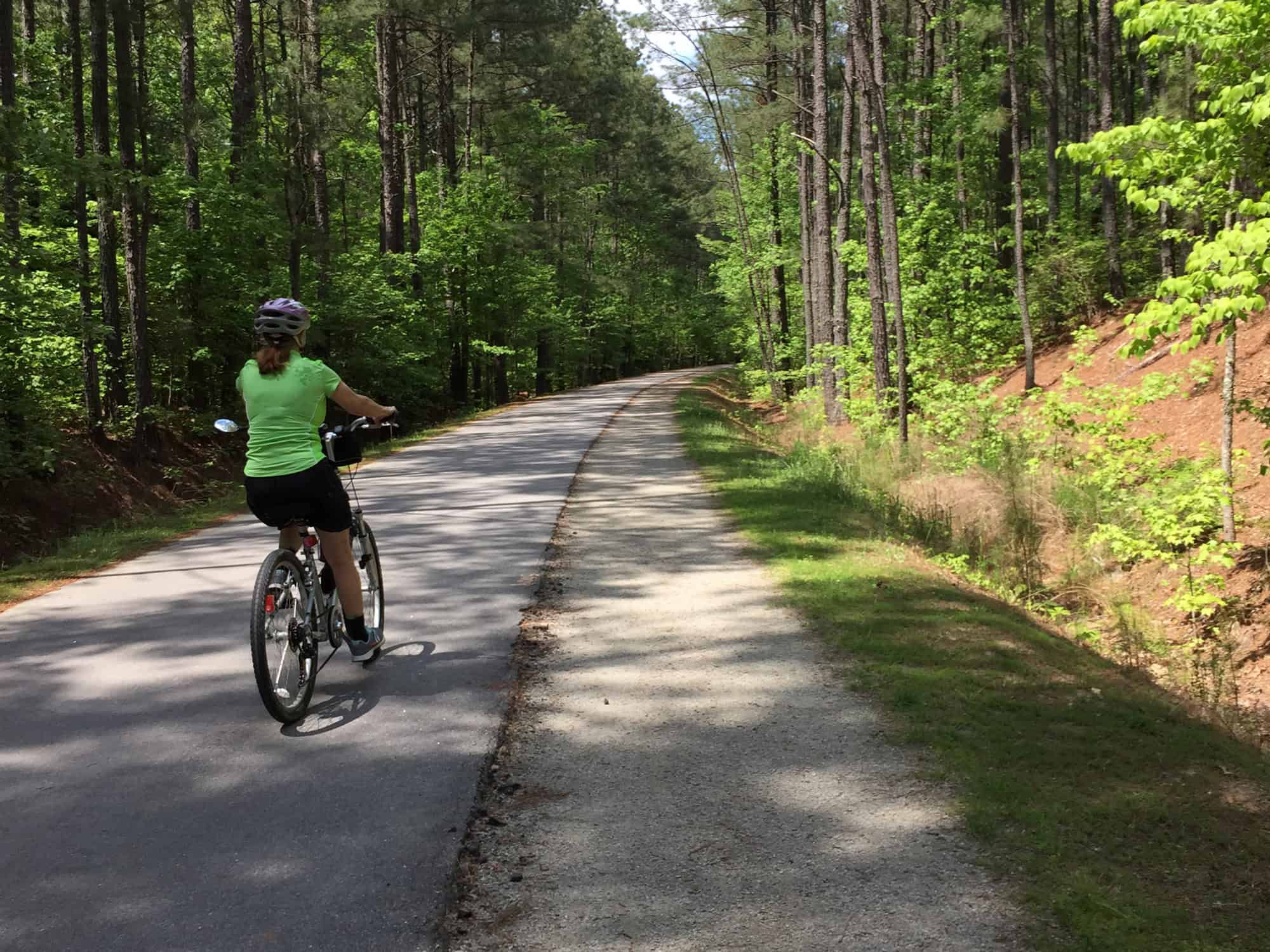
Expand transportation choices through safer streets, better commuting options, walking and biking connections, and cleaner transportation programs.
-
Land Use & Community Planning
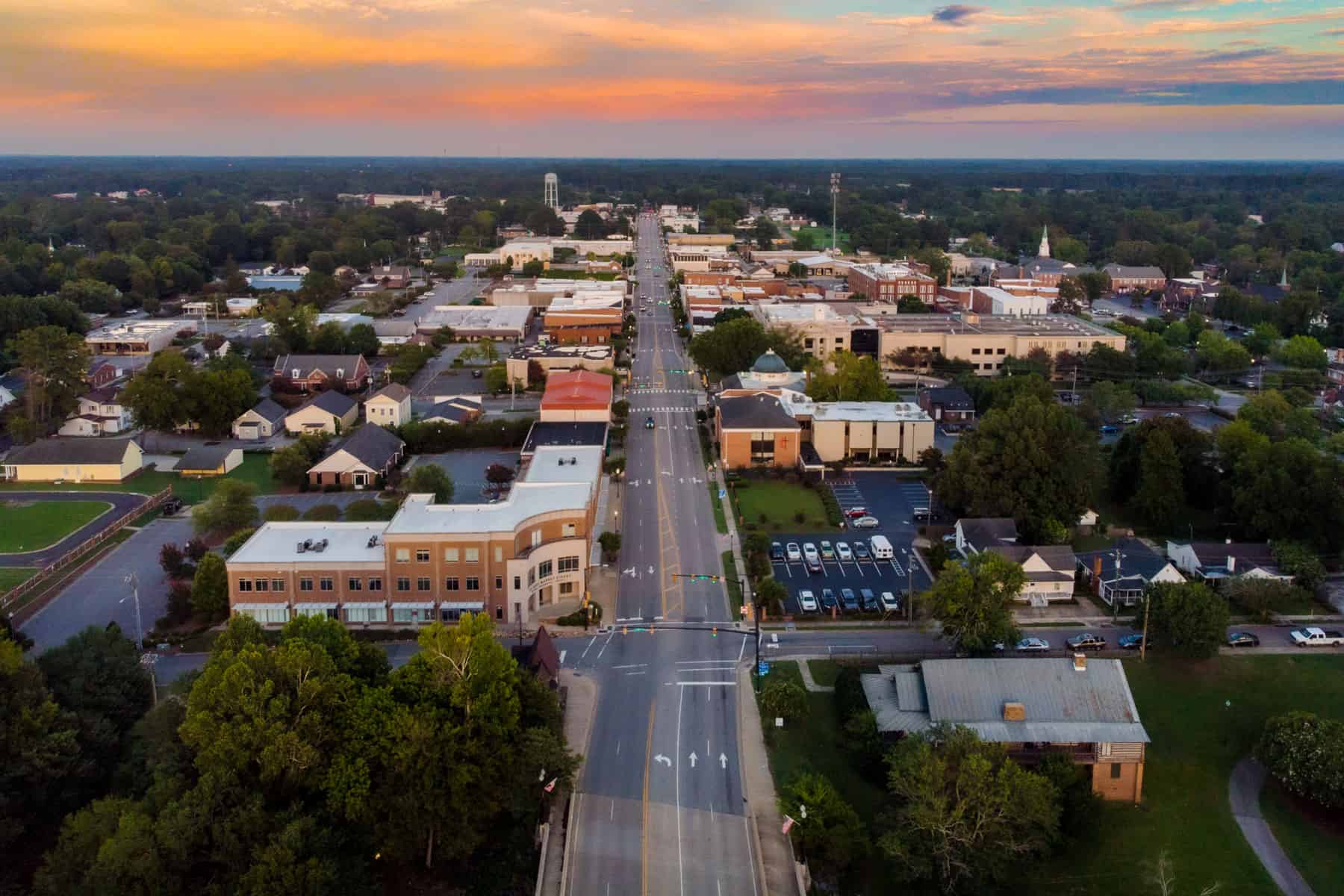
Use land-use analysis, growth forecasting and scenario planning to help communities make informed decisions about development and future change.