
Data Centers
One of the fastest-growing industries in the country is reshaping land, power, and water use right here in the Triangle.
The Big Picture
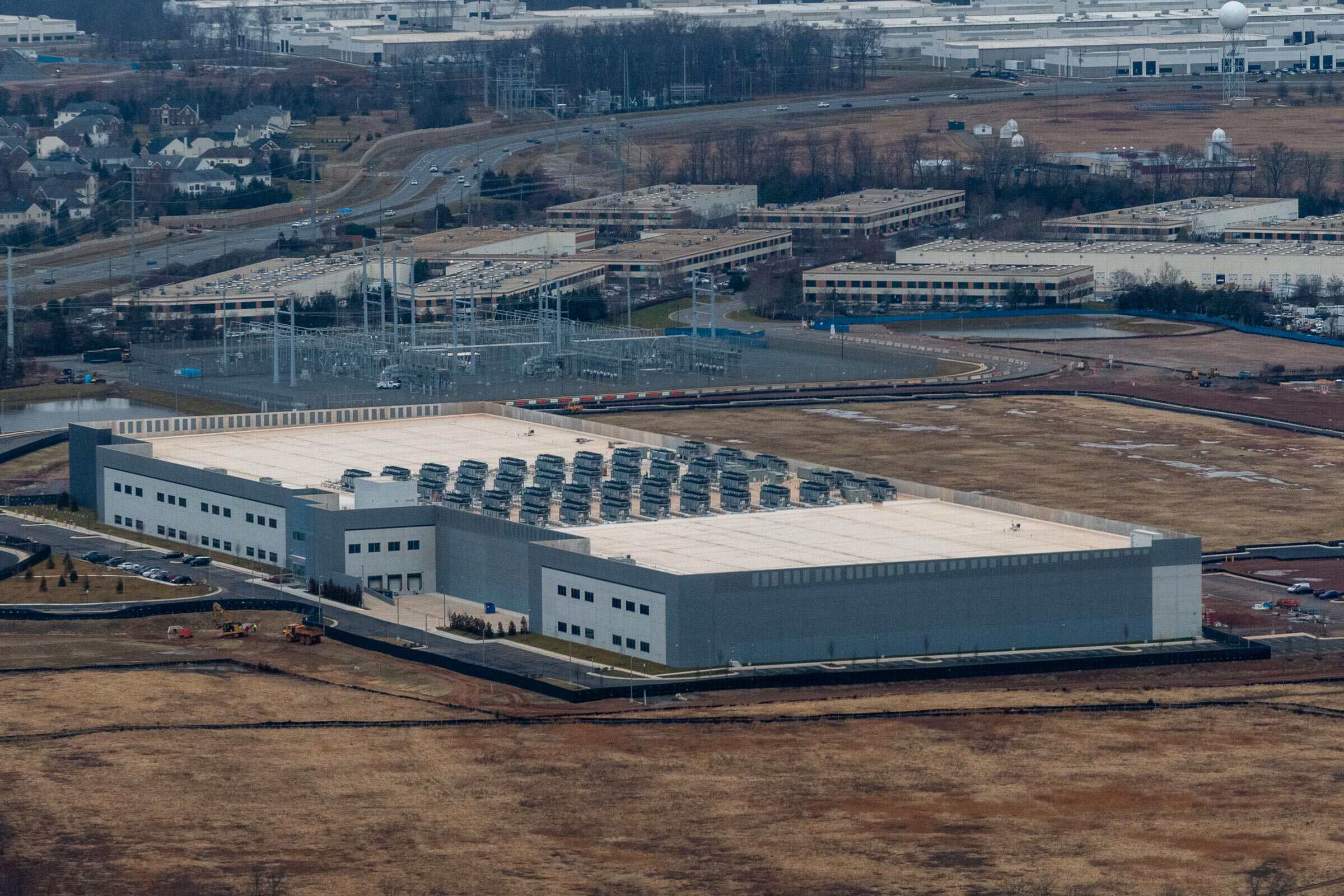
Data center development is becoming one of the biggest planning issues facing communities across North Carolina.
These projects range from massive hyperscale campuses to smaller, high-density AI computing facilities, each with different demands on land, power, water, and infrastructure, and each carrying a different long-term tax value depending on how it’s structured and assessed.
This resource helps local leaders identify the kind of project being proposed, understand what it may require, and build a clear process before development or incentive decisions begin.
Topic at a Glance

Dig In Further
Research & Resources
Start with the basics
Four Realities Shape Every Data Center Conversation
Before evaluating a specific proposal, local leaders should understand how these projects differ from more familiar forms of development.
Resources to Consider
Resources to Consider
- Helping Communities Understand the Data Center Boom — National League of Cities
- Apex Data Center Presentation (PDF, 10.56 MB) — Town of Apex
Built in Phases
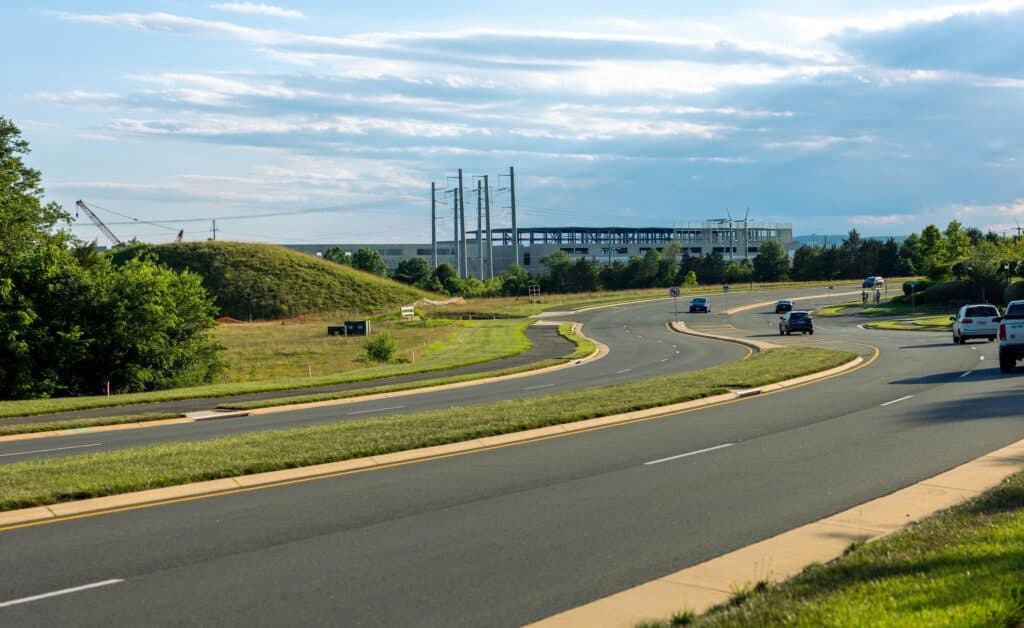
A proposal may begin with one building but reserve land and utility capacity for a much larger campus developed over several years.
Power Before Construction
A site’s viability often depends on when electricity can be delivered and what transmission, substation, or grid upgrades are required.
Capital Intensive
Tax value and construction activity may be significant, while permanent staffing remains limited compared with traditional employment projects.
Impacts Vary
Facility type, operating model, and cooling technology can substantially change a project’s land, water, energy, and infrastructure needs.
Evaluate the Proposal
Five Connected Systems Determine the Local Impact
A data center cannot be evaluated through a single lens. Site conditions, utility capacity, infrastructure, and fiscal terms all affect whether a proposal is viable and how it may shape the community over time.

Land & Site
Large facilities may need substantial acreage, buffers from incompatible uses, construction access, and room for future phases. The full potential buildout matters more than the first site plan.
Resources to Consider
Resources to Consider
- Fredericksburg, VA has developed an extensive website page that includes their original ordinance language, research, and updates on their consideration of a data center overlay.
- Chandler, Arizona codified one of the nation’s first data-center specific ordinances that defines the location and operation of data centers, as well as detailed communications protocol, a pre-construction sound study requirement, and sound mitigation measures.
- The Physical Footprint of Artificial Development – APA Zoning Practice
Power & Grid
Power availability is often the first test of site viability. Communities need a realistic schedule for demand, utility upgrades, and phased development.
Resources to Consider
Resources to Consider
- Loudon County, VA has a website page with resources on the history of data centers in the community, and infrastructure studies and mapping.
- Energy Open Infrastructure Map – United States
- Perspectives on Energy and AI Data Centers – NC Clean Energy Technology Center
Water & Cooling
Water demand can range from minimal use to several million gallons per day, depending on cooling technology and operating conditions. Utilities must evaluate both water draw and wastewater return.
Resources to Consider
Resources to Consider
Infrastructure & Connectivity
Data centers also depend on fiber, roads, secure access, backup systems, and public safety coordination. Required improvements may extend well beyond the property boundary.
Community & Fiscal Impact
Data centers can add substantial taxable value and utility revenue, but long-term outcomes depend on assessment rules, equipment depreciation, incentives, public costs, and permanent employment.
Resources to Consider
Resources to Consider
- Prince William County’s 2024 Data Center Development Tax Revenue Report
- Henrico County, VA is allocating data center development revenue to a new affordable housing trust fund.
Planning Ahead
Preparation Creates Clearer Choices
Data center proposals often move fast and can feel high-pressure, but communities that prepare ahead of time, with clear zoning, identified sites, and a designated point of contact, are far better equipped to evaluate a project on its merits before ever discussing approval or incentives.
Resources to Consider
Resources to Consider
- Community Strategies to Address Data Center Development and Operations – National League of Cities
- Siting and Permitting Support (PDF, 519.76 KB) – NC Clean Technology Center
- Data Center Moratorium Research – Central Pines Regional Council
- Data Center Planning Resources for EDDs and RDOs – National Association of Development Organizations
The Pitch Comes Fast
Data center inquiries can move quickly. Early conversations may include unfamiliar technical claims, large investment figures, and requests for certainty before key project details are known.
Preparation Pays Off
Communities are better positioned when they have already reviewed zoning standards, identified potentially viable locations, understood utility constraints, and established who will coordinate the response. Clear expectations also make it easier to evaluate applicants consistently.
Understand Before You Decide
The first goal is not to approve or reject a project. It is to understand what is being proposed, whether it is ready to move forward, and what the full buildout could require from the community.
Data Center Types
Hyperscale Campuses
Very large facilities or multi-building campuses built for major cloud and technology companies. They require scalable power, cooling, fiber, and room for phased expansion.
Colocation Facilities
Shared facilities operated by a provider that leases computing space to multiple businesses, institutions, or government tenants. They often locate near metropolitan areas with strong power and network connectivity.
AI + High-Density Computing
Facilities with highly concentrated computing activity and intensive cooling needs. They may occupy less space than a hyperscale campus but place heavier and less stable demands on power and water systems.
Latest News
-
CPRC Data Center Ordinance Template and Community Use Guide
CPRC’s data center ordinance template and community use guide give local governments adaptable zoning language and guidance for evaluating data center applications.
-
What Local Governments Need to Know About Data Centers
Central Pines’ new reference guide helps local leaders understand data center types, infrastructure and resource demands, fiscal considerations, and practical steps communities can take when evaluating development proposals.

Frequently Asked Questions
Answers to the questions we hear most from local leaders navigating data center development.
What is a data center?
What is a data center?
A data center houses servers, storage systems, and networking equipment that store, process, and move digital information. Those systems also depend on physical infrastructure including electricity, cooling, fiber connections, security, and backup power.
Are all data centers the same?
Are all data centers the same?
No. A hyperscale campus, colocation facility, and AI-focused computing center may differ significantly in physical size, ownership, power demand, cooling needs, expansion pattern, and community impact.
Understanding the specific operating model is more useful than evaluating a proposal based on the general label “data center.”
Why are newer data center proposals requesting so much power?
Why are newer data center proposals requesting so much power?
Cloud computing and artificial intelligence are increasing demand for computing capacity. Newer campuses may also be planned as multiple phases, so the ultimate power request can be much larger than what is needed when the first building opens.
Communities should ask for a realistic power ramp showing when capacity is expected to come online.
How much water does a data center use?
How much water does a data center use?
There is no single standard. Water demand varies widely based on cooling technology, climate, operating conditions, and whether potable or reclaimed water is used.
A proposal should identify expected water draw, wastewater return, cooling design, and how those figures could change at full buildout.
Do data centers create many permanent jobs?
Do data centers create many permanent jobs?
Data centers can generate substantial construction activity and capital investment, but they are generally more capital intensive than labor intensive. Permanent employment is often limited compared with other large industrial developments.
That makes it important to evaluate tax revenue, utility revenue, infrastructure costs, construction employment, and permanent jobs separately.
Can local governments regulate where data centers are located?
Can local governments regulate where data centers are located?
Local governments can use planning, zoning, and development regulations within the authority provided by state law. In North Carolina, Chapter 160D provides the framework for local land-use regulation.
The specific tools and approval processes will depend on the jurisdiction, existing ordinance, and proposed site.
When should a community involve its electric utility?
When should a community involve its electric utility?
Early. Power availability and delivery timing can determine whether a site is viable, and utilities have their own processes for evaluating large-load requests.
Early coordination helps local officials distinguish a realistic phased demand schedule from a speculative capacity request.
What should a community know before discussing incentives?
What should a community know before discussing incentives?
First understand the project itself: the developer, intended tenant or operator, financing, development schedule, full buildout, permanent employment, infrastructure needs, and long-term commitments.
Separating project evaluation from incentive negotiations makes it easier to determine whether the proposal is ready and whether its assumptions are credible.
Terms to Know
A quick glossary to help you follow the conversation around data center development.
AI/High-Density Computing Center
A smaller-footprint facility with intense computing activity, requiring heavy cooling and creating power demand that rises and falls quickly.
Chapter 160D
The section of North Carolina law governing local zoning and land use authority, relevant to how communities can regulate data center proposals.
Co-location Data Center
A facility built by a provider that leases space to multiple tenants, such as businesses or smaller governments, rather than being built and used by a single company.
Hyperscale Data Center
A very large, multi-building campus designed to support thousands of servers for major cloud and tech companies. Built over long timeframes and requires significant land and power.
Megawatt (MW)
A unit of power used to describe how much electricity a data center draws. Legacy facilities typically use 20–50 MW; newer AI-driven projects can request 300–1,000 MW.
Open-Loop / Closed-Loop Cooling
Two methods data centers use to manage heat. Open-loop systems typically use more water; closed-loop systems recirculate water and generally use less.
Overlay District
A zoning tool that layers additional rules onto an area, often used to designate where data centers can be sited and what standards they must meet.
Ratepayer
A utility customer who may absorb some cost of infrastructure upgrades needed to serve a large power user like a data center.
Redundancy / Resilience
Design terms describing how a data center maintains reliability, often through backup power and duplicate systems, so operations continue if one system fails.
Special Exception
A zoning approval that allows a use, like a data center, in a district where it isn’t automatically permitted, usually with added conditions or review.
Want More Information about Data Centers?
General Support & Regional Coordination
Get Ahead of the Decision
Before evaluating a specific proposal, local leaders should understand how these projects differ from more familiar forms of development.

Grace Berry
Zoning & PLanning Support
The People Behind Every Program and Partnership
Connect with Central Pines for help thinking through site readiness, compatible land uses, review processes, and examples from other communities.

Chris Lawson