
Decades of Roots, Deepening Every Year
From a small regional planning commission to Central Pines Regional Council, our story has grown alongside the communities we serve for more than five decades.
How Central Pines Came to Be What It Is Today
Central Pines Regional Council began in 1959 as the Research Triangle Regional Planning Commission, one of the first organizations of its kind in North Carolina. As the region grew and its needs changed, the organization became Triangle J Council of Governments and then, in 2023, Central Pines Regional Council.
The name has changed more than once, but the purpose remains the same: bringing local governments together to solve problems no single community can tackle alone. Beginning with who we are today, this timeline looks back at some of the milestones along the way.
Today
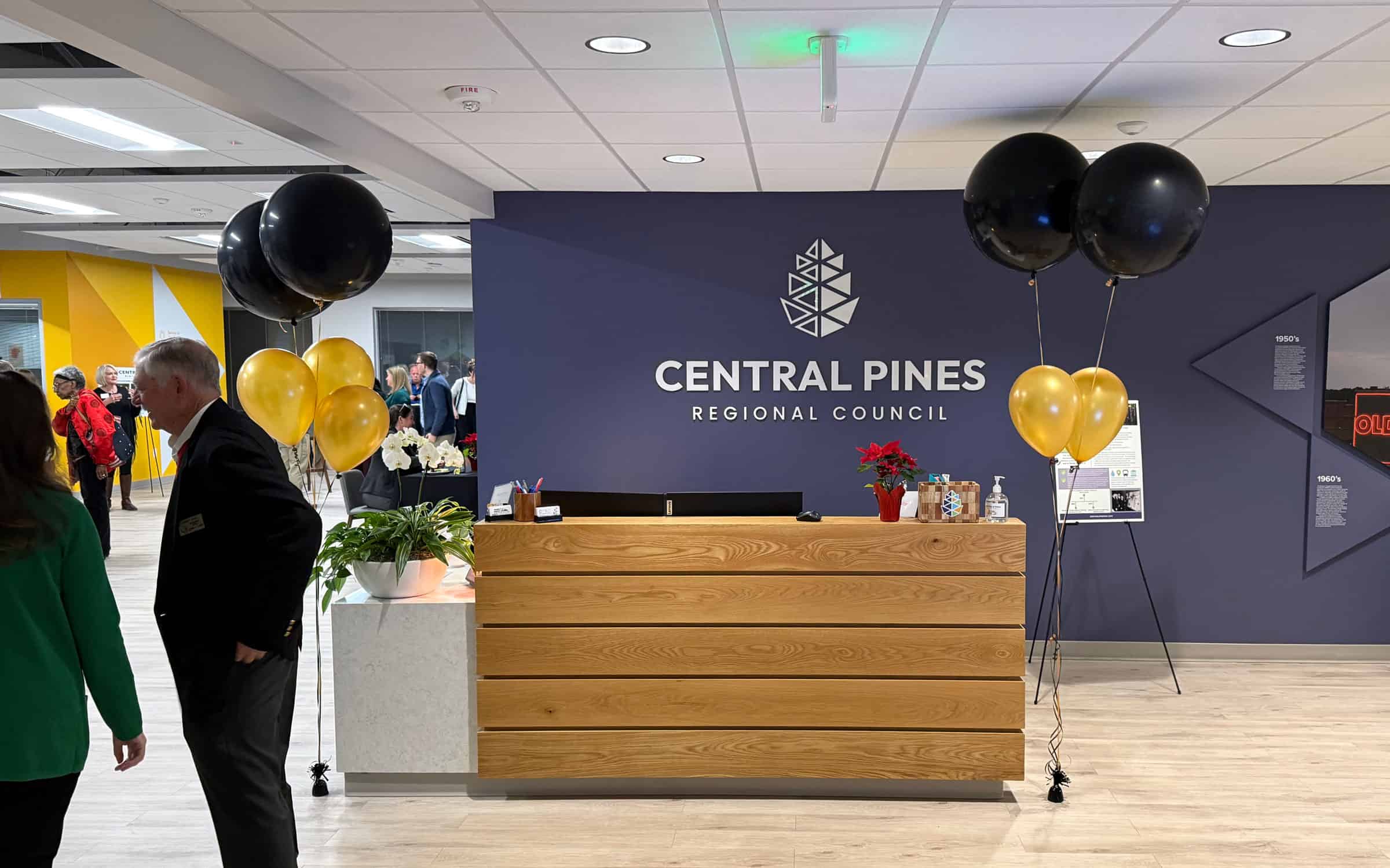
The Central Pines Regional Council name reflects the full geography and identity of the communities we serve.
We continue to work across boundaries to build a region where communities thrive together. Decades of collaboration have created a foundation for addressing what comes next, from housing and aging to climate and connectivity. These challenges do not stop at town or county lines. Neither do we.
2010s
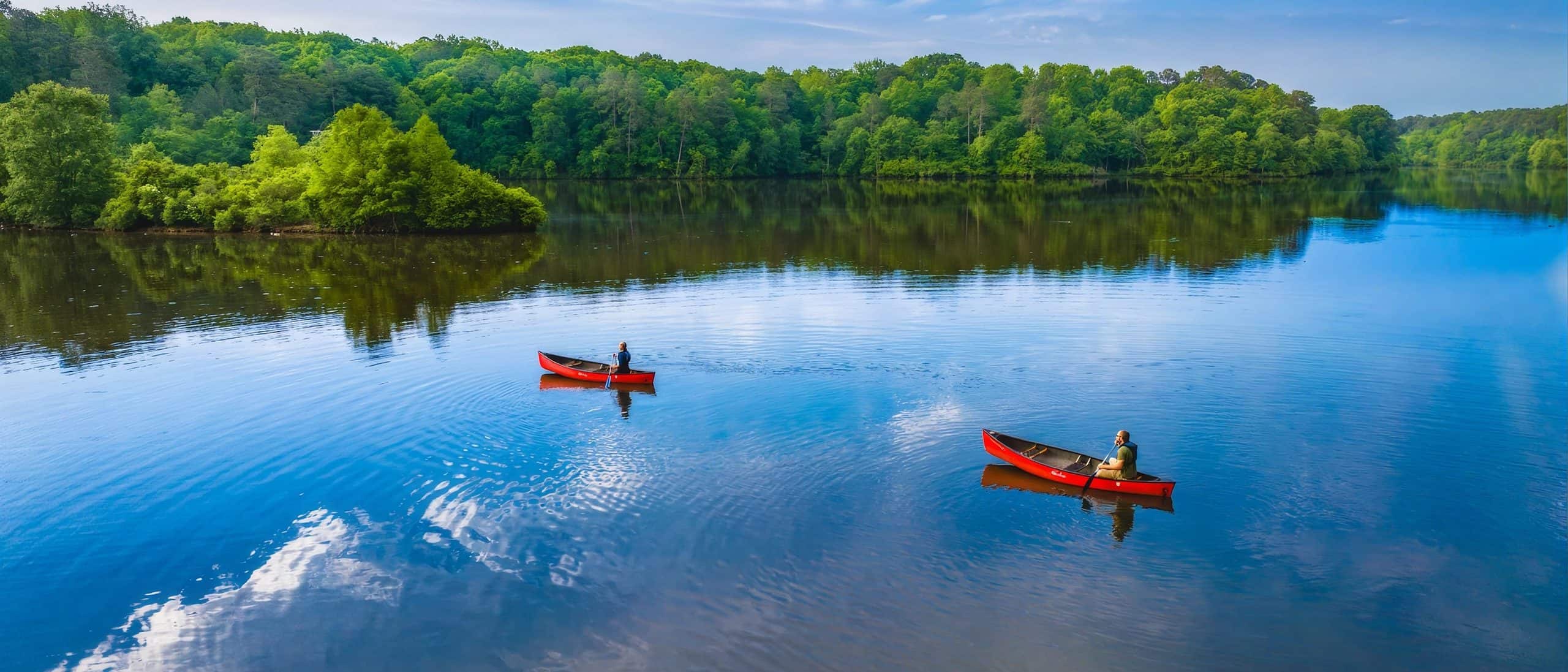
 Water recreation on Jordan Lake in Chatham County.
Triangle J expanded its role as a convener for the region.
Regional Summits brought elected leaders, local government staff and community partners together to address shared challenges and develop a stronger vision for the region’s future. The organization also received federal designation as an Economic Development District and helped launch Jordan Lake One Water, a partnership focused on coordinated water-resource management across the Jordan Lake watershed.
2000s
Triangle J focused on expanding access and connecting communities.
The organization helped reduce the digital divide for older adults by providing computers, internet access and digital skills training. It also launched the Center of the Region Enterprise partnership to support smarter growth along the border of Wake and Durham counties. The new Triangle Area Rural Planning Organization gave four counties and 12 small towns a stronger voice in transportation planning and funding.
1990s
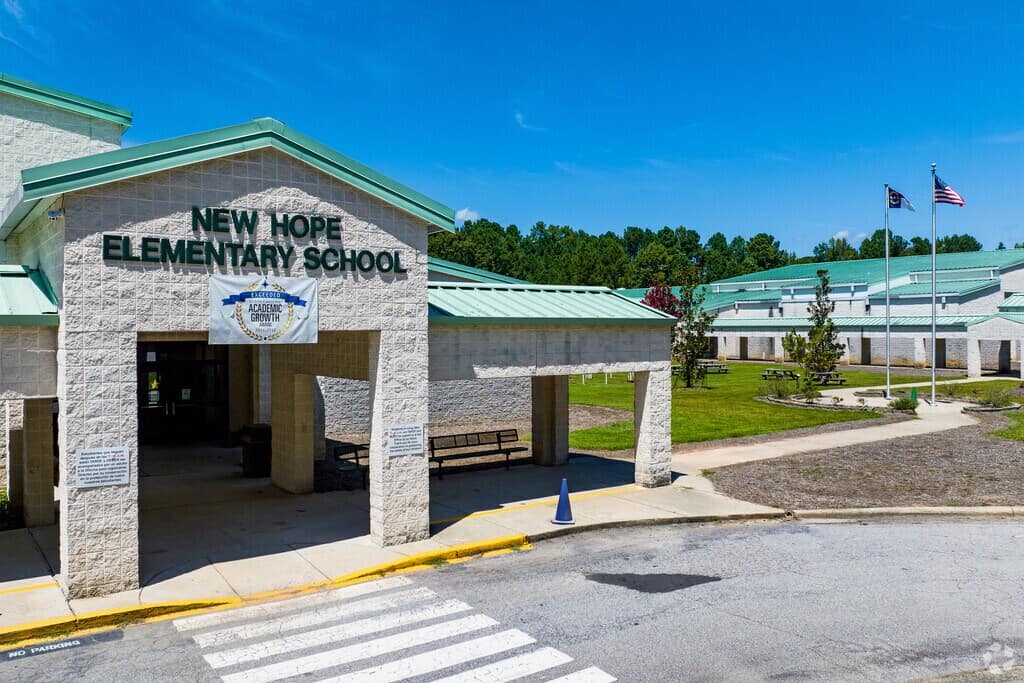 New Hope Elementary School, Chapel Hill.
Triangle J helped turn regional planning into visible improvements in schools and community services.
The regional model-school initiative moved from concept to reality with the dedication of New Hope Elementary School, a project led by the Model School Task Force. Hillside High School in Durham was also recognized as a model high school focused on educational improvement and restructuring.
The decade also brought programs addressing hazardous household waste, cable and broadband infrastructure, and recovery from Hurricane Fran.
1980s
Triangle J became a hub for regional firsts and new ideas.
The organization’s initiatives included Foreign Trade Zone No. 93, North Carolina’s first GIS conference and a regional mental health program for emergency responders. Triangle J also began working with Orange County Schools on a regional model-school concept, exploring how technology and modern management could strengthen public education.
1970s
The 1970s brought a new name and a broader regional role.
As regional councils formed across North Carolina, the Research Triangle Regional Planning Commission became the Triangle J Council of Governments. Its service area expanded to include Chatham, Lee and Johnston counties.
The organization also launched pioneering environmental initiatives, including the nation’s first regional water-quality management plan. It became home to the Triangle J Area Agency on Aging, helping communities address barriers to aging well.
1960s
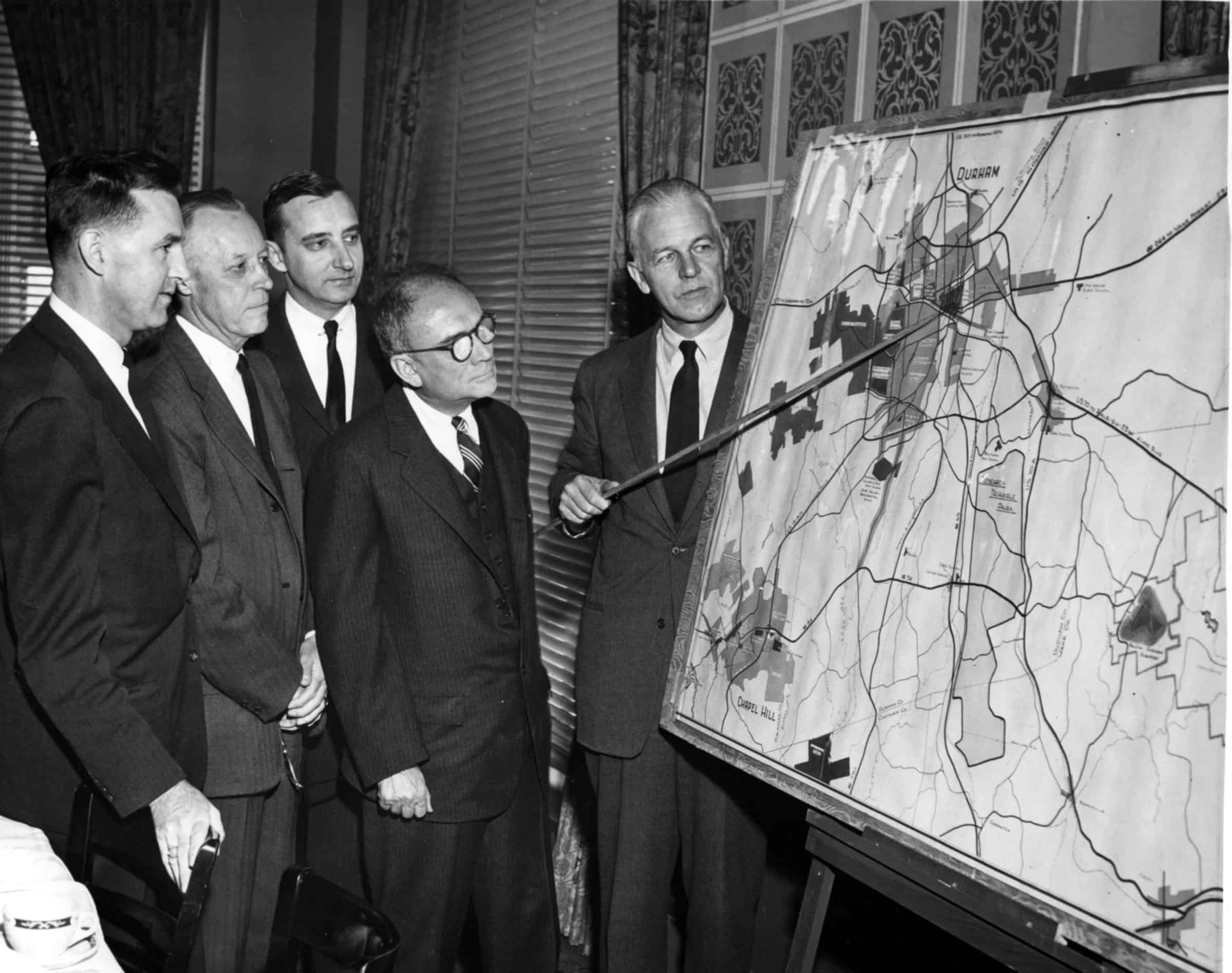 L to R: Pearson H. Stewart, unidentified Durham city official, George L. Simpson Jr.; Romeo H. Guest, Jr.; George Watts Hill at an early planning meeting about RTP.
Held February 1958
Photo by Durham Herald-Sun
The Research Triangle Regional Planning Commission laid the groundwork for regional coordination.
The Commission published the Research Triangle Development Guide, the region’s first land-use plan. The guide established a shared vision for coordinating water, sewer, open space and development. The region also designated the Commission to review federally funded projects and ensure they aligned with local plans.
1959
Our regional story began in 1959, when the North Carolina General Assembly formed the Research Triangle Regional Planning Commission.
The new agency was built to plan with communities, not for them. Its charge was clear: help local governments in Durham, Orange and Wake counties prepare for rapid growth around Research Triangle Park. Its earliest priorities included water supply, infrastructure and the public services needed to support a growing population.

Member Services
From technical assistance to regional advocacy, being part of Central Pines means your community never has to solve its biggest challenges alone.

Book Our Space
Central Pines’ Durham offices span 21,000 square feet, with conference rooms, a board room, and a café. Members can reserve space at no charge, weekdays before 5 PM.

Join Central Pines
CPRC is always looking for people who care about public service and regional collaboration. Explore open roles across our team and see how you can help the region.
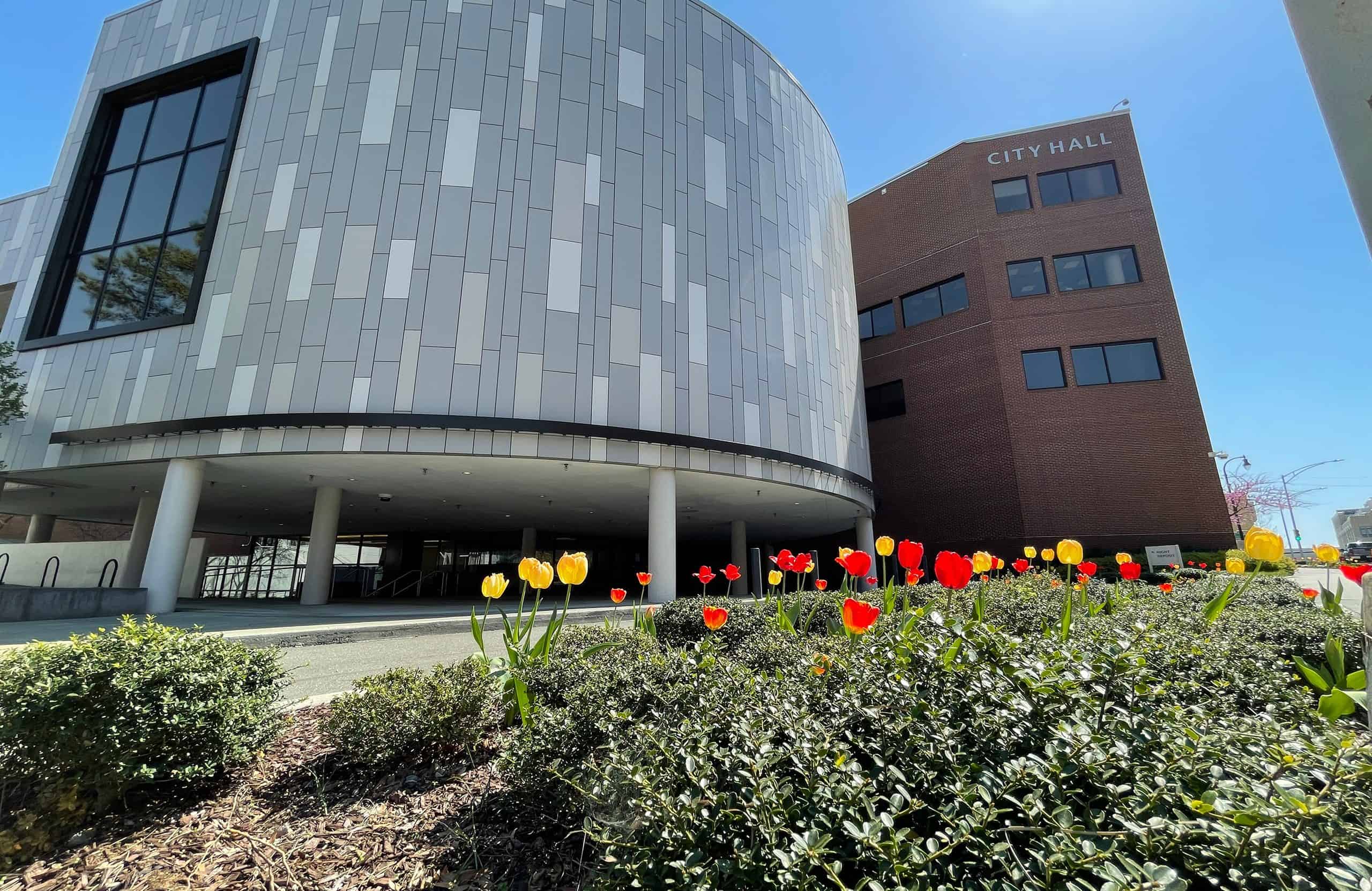
Being Part of Central Pines Is More Than a Membership
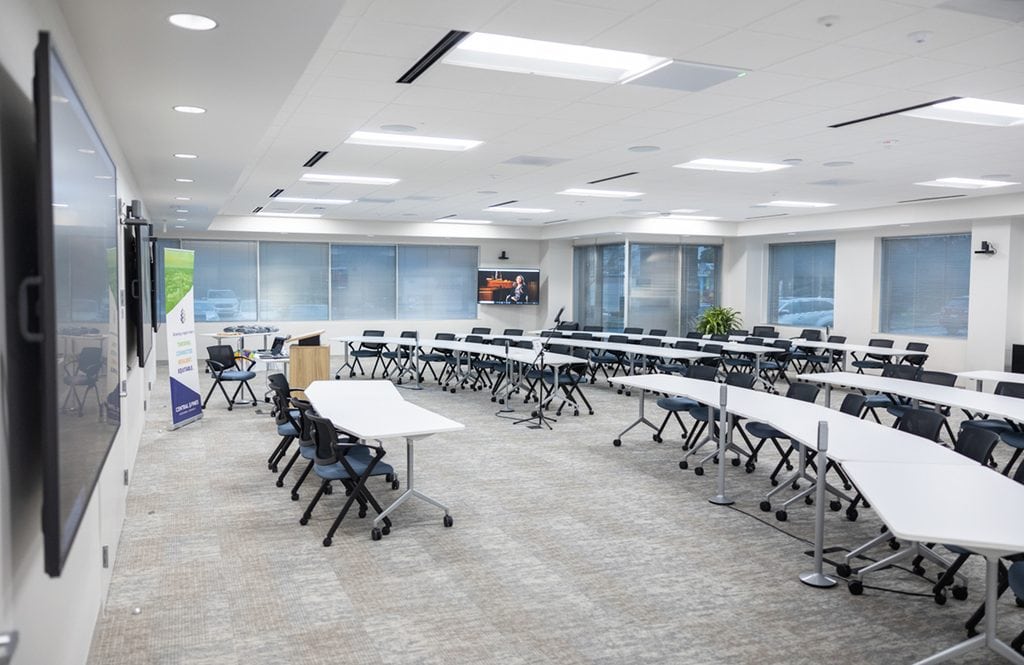
A Conference Room With Your Name On It
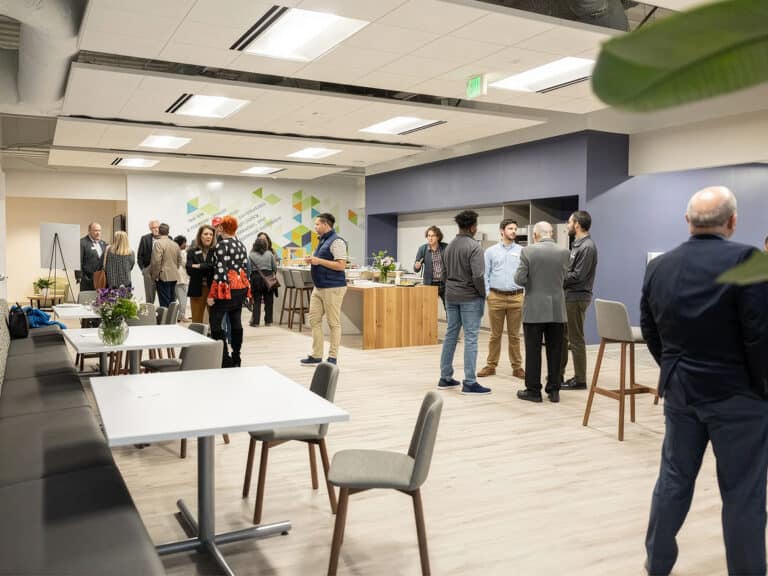
Build a Career Around Public Service and Impact
Discover More
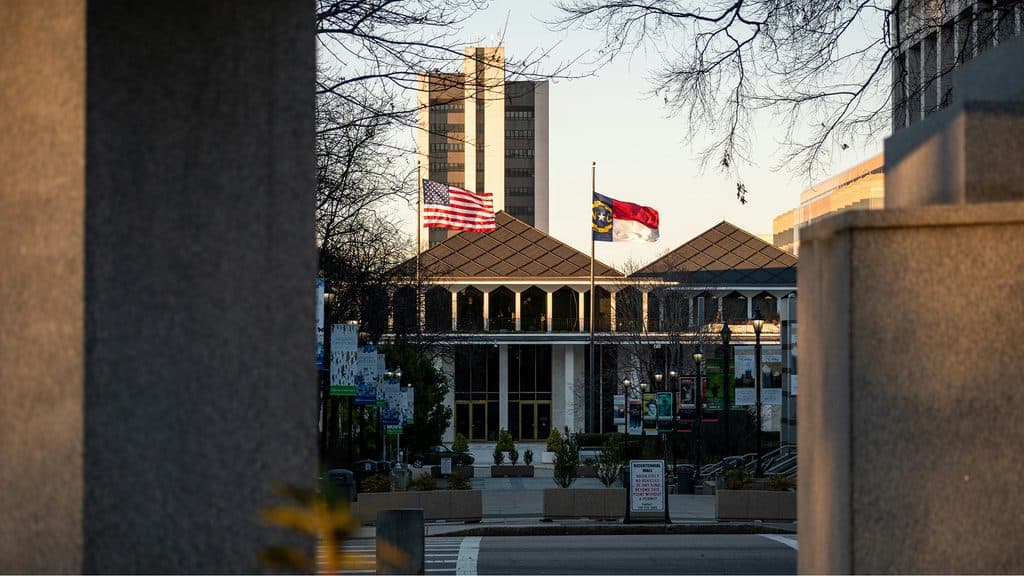
Government Support
Technical assistance, grant support, and shared expertise built to help local governments across the region do more for the communities they serve.
Community Resources
Programs and information for residents across the region, from aging services and housing assistance to regional topics that affect your own community.